 Govind Tekale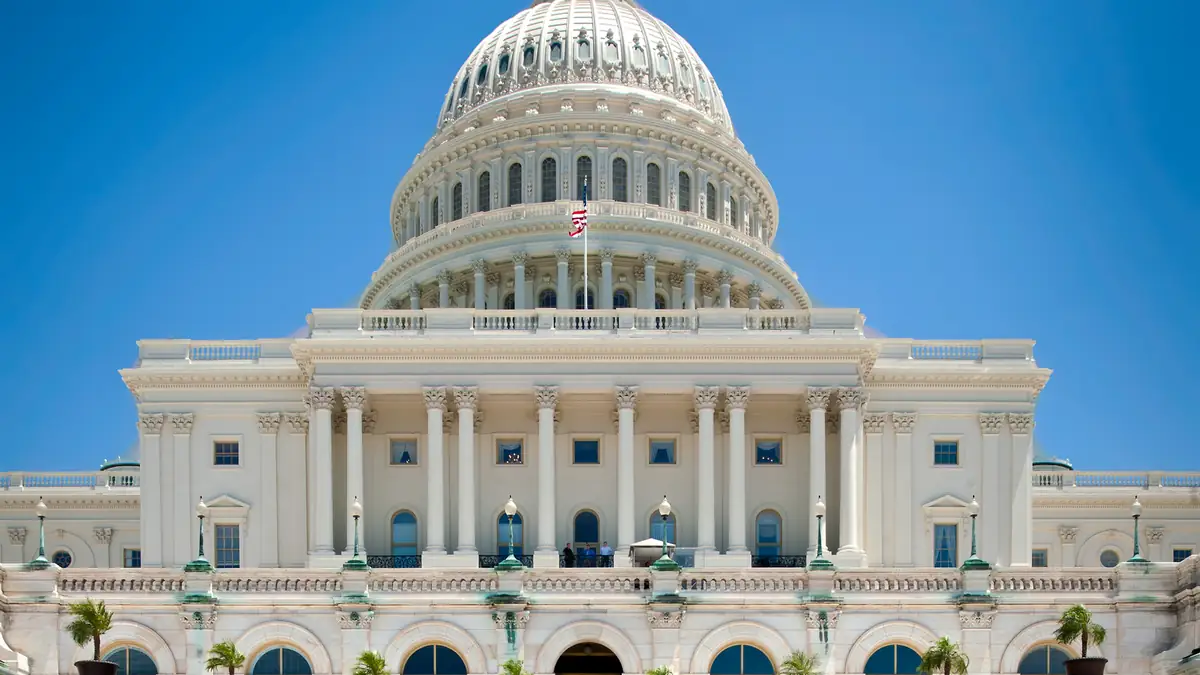
A federal judge has dismissed a lawsuit brought by two police officers who sued to compel the placement of a commemorative January 6 plaque at the required permanent location on the Capitol's western front. The court did not rule on whether the law had been complied with — it ruled that the officers had no legal standing to bring the case.
What the lawsuit sought
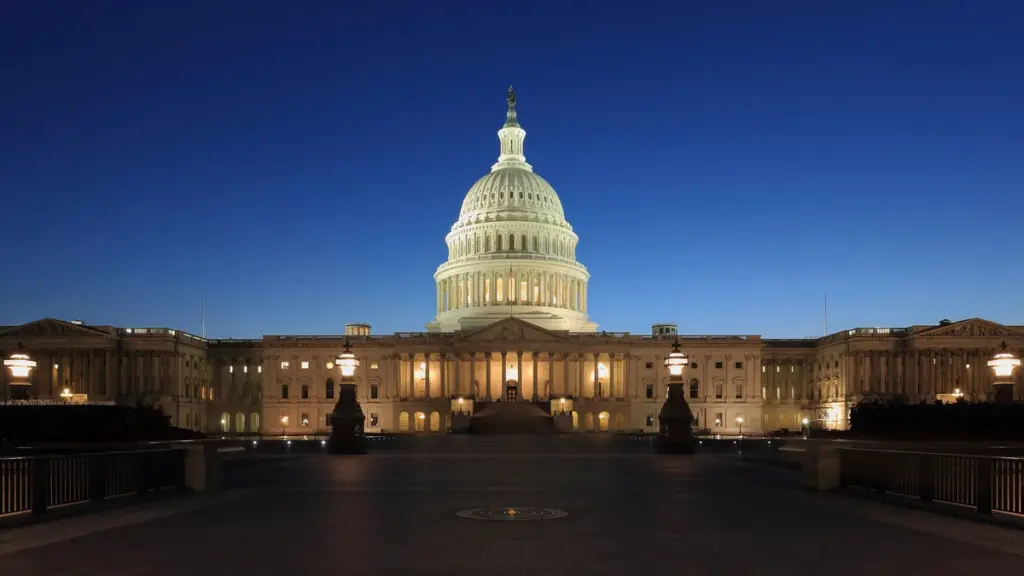
Congress included a plaque requirement in Section 214 of the Consolidated Appropriations Act of 2022 (Pub. L. 117-103). The provision directed the Architect of the Capitol to obtain an honorific plaque listing the names of all officers who responded to the Capitol on January 6, 2021, and place it at a permanent location on the western front within one year. A plaque was installed, but it listed law enforcement agencies and organizations alongside a QR code linking to officers' names, rather than listing individual names on the physical face of the plaque, and its placement was not the permanent western-front location specified in the law.
Former US Capitol Police officer Harry Dunn and Metropolitan Police Department officer Daniel Hodges filed suit seeking a court order compelling compliance with the statutory requirements.
Why the court dismissed it
Judge Dabney Friedrich ruled the plaintiffs lacked Article III standing — the constitutional requirement that a person must have a direct, personal, legally recognisable injury to bring a federal lawsuit. The court found that Dunn and Hodges had not demonstrated the concrete, personal injury required for Article III standing.
The dismissal was jurisdictional. The court did not reach the question of whether the Architect of the Capitol had complied with the 2022 statutory requirement.
What the ruling means
The ruling ended the plaintiffs' case in the district court unless they pursue an appeal. The Architect of the Capitol holds responsibility for the plaque under the 2022 statute. Any further action to bring the plaque into compliance with the law's location and naming requirements rests with the Architect and congressional oversight, not the courts, following this dismissal.
The plaintiffs' attorneys have indicated they are reviewing whether an appeal is viable.
Frequently Asked Questions
Why was the Jan. 6 plaque lawsuit dismissed?
The federal court ruled that officers Harry Dunn and Daniel Hodges had not demonstrated the concrete, personal injury required for Article III constitutional standing. The court dismissed the case on jurisdiction grounds without deciding whether the Architect of the Capitol complied with the 2022 statutory requirement.
What does the Jan. 6 commemorative plaque law require?
Section 214 of the Consolidated Appropriations Act of 2022 (Pub. L. 117-103) directed the Architect of the Capitol to place an honorific plaque listing the names of all responding officers at a permanent location on the Capitol's western front within one year of enactment.
Who has the authority over the Capitol plaque?
The Architect of the Capitol holds responsibility for the plaque under the 2022 statute. Congressional oversight governs compliance with the law's requirements.
—