Karmactive Team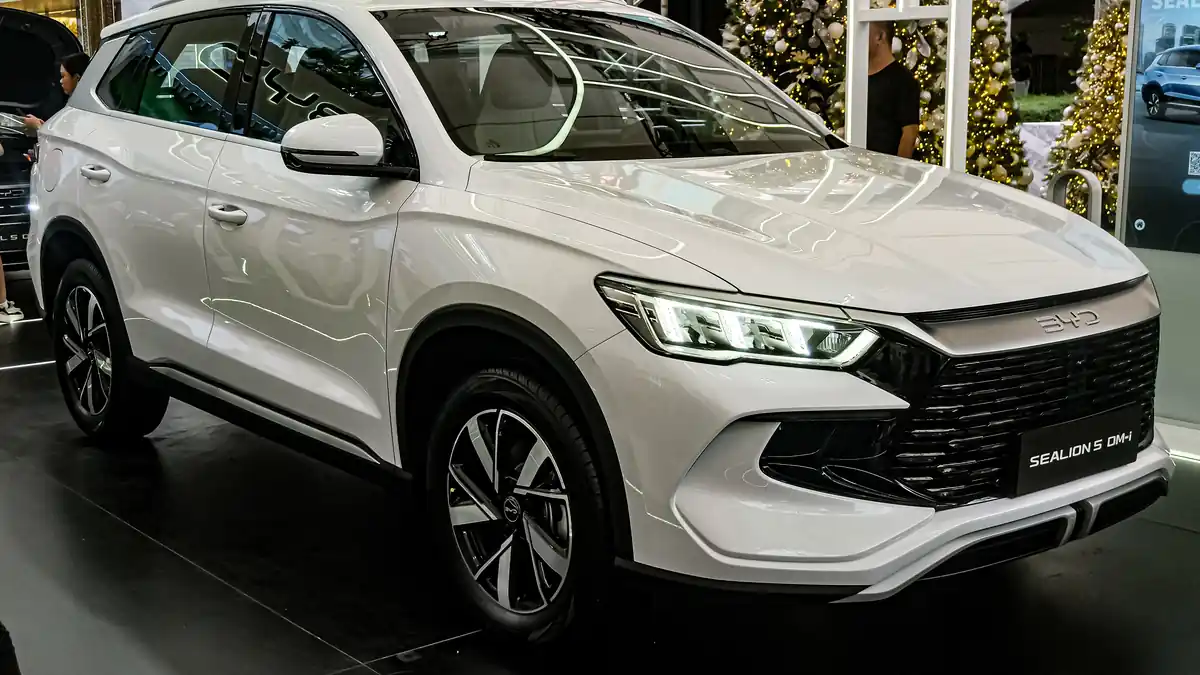
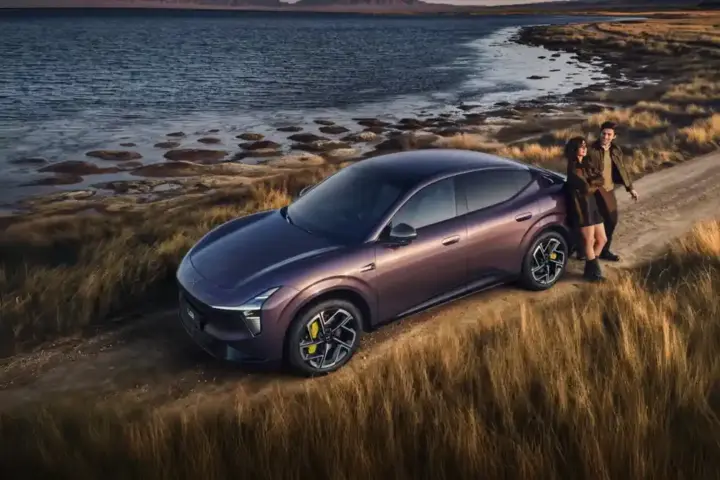
If you’re considering the BYD Sealion 5 as a family SUV, the star number matters less than understanding exactly where the gaps are. The Sealion 5 plug-in hybrid became the first BYD model tested by ANCAP in Australia to receive fewer than five stars — assessed under the stricter 2026–2028 testing criteria — and the shortfall came almost entirely from active safety technology. It came close to scoring only two stars in the crash avoidance category.
ANCAP assessed the BYD Sealion 5 PHEV under its 2026–2028 testing program and announced results in late September 2026. The vehicle scored 79% for crash protection and 74% for post-crash safety — results equivalent to a four-star car in those categories. The problem was crash avoidance, where it scored just 51%, and safe driving at 48%. Combined, those results produced a three-star outcome. The BYD M9 people-mover, tested simultaneously under the same criteria, achieved five stars.
Australian buyers choosing between the Sealion 5 and a five-star alternative in the same category are not choosing between a safe car and an unsafe one. The strongest differences were in crash avoidance and safe driving — the systems designed to prevent crashes from happening — while crash protection was stronger. For families with children as regular passengers, the active safety gap is worth factoring in alongside price.
Which Specific Systems Failed
ANCAP’s testing identified particular shortcomings in the Sealion 5’s active safety systems. The emergency lane keeping system did not intervene when the car drifted toward the road edge. The vehicle also lacks child presence detection, eCall emergency assistance, a seatbelt misuse alert and a low-speed pedal misapplication system — all of which are now assessed under the 2026–2028 criteria.
ANCAP updated its testing methodology for 2026–2028 with heavier demands on automated safety systems. The new version applies stricter performance requirements to autonomous emergency braking, lane-keeping assist systems, speed assist technology and driver monitoring. The Sealion 5 was assessed against the 2026–2028 protocol, which is more stringent than the 2023–2025 criteria that applied when the vehicle was globally introduced.
The specific breakdown of all scores is detailed in the full ANCAP test report available at ancap.com.au. Buyers should review that report directly before making a purchase decision.
How BYD Responded
BYD Australia stated: “The Sealion 5 is a safe vehicle that complies with all Australian Design Rules and regulatory safety standards. ANCAP introduced an updated testing protocol in 2026, with a strengthened assessment criteria compared to the 2023-2025 protocol, which was applicable to the Sealion 5 at the time of its global introduction. The current rating reflects this new standard, not any change in BYD’s commitment to safety.”
Comparing the Sealion 5 to Its Alternatives
At the Sealion 5’s price point in the Australian SUV market, there are five-star alternatives under the same 2026–2028 criteria. The practical question for a buyer is whether a vehicle offering measurably better crash avoidance performance is available at a comparable total cost of ownership.
ANCAP’s consumer guidance on [comparing safety ratings across different model years and testing criteria](/ancap-safety-rating-comparison-guide) helps buyers understand when star ratings from different years can be directly compared and when they cannot. Karmactive’s earlier overview of [what changed in ANCAP’s 2026 testing framework](/ancap-2026-testing-criteria) sets out what those stricter requirements actually measure in practice.
Frequently Asked Questions
Why did the BYD Sealion 5 get three stars? It scored poorly in crash avoidance (51%) and safe driving (48%) under ANCAP’s 2026–2028 testing criteria. Specific shortcomings included an emergency lane keeping system that did not intervene when the car drifted toward the road edge, and the absence of child presence detection, eCall emergency assistance, a seatbelt misuse alert and a low-speed pedal misapplication system. Its crash protection score of 79% was stronger.
Is the BYD Sealion 5 safe to drive? BYD says the vehicle complies with all Australian Design Rules and regulatory safety standards. Its crash protection scored at a level equivalent to a four-star car. The main gap is in crash avoidance technology — the systems designed to detect and respond to hazards before a collision occurs are rated below the five-star standard under the new 2026–2028 criteria.
Which BYD cars have five stars in Australia? The BYD M9 people-mover received five stars under the same 2026–2028 ANCAP criteria, announced simultaneously. BYD Australia’s earlier models achieved five stars under the previous 2023–2025 testing methodology.
Whether BYD updates the Sealion 5’s active safety specification in response to this result is the follow-up to watch. If BYD announces a revised safety system package for Australian-market vehicles, that will be covered here.