Sunita Somvanshi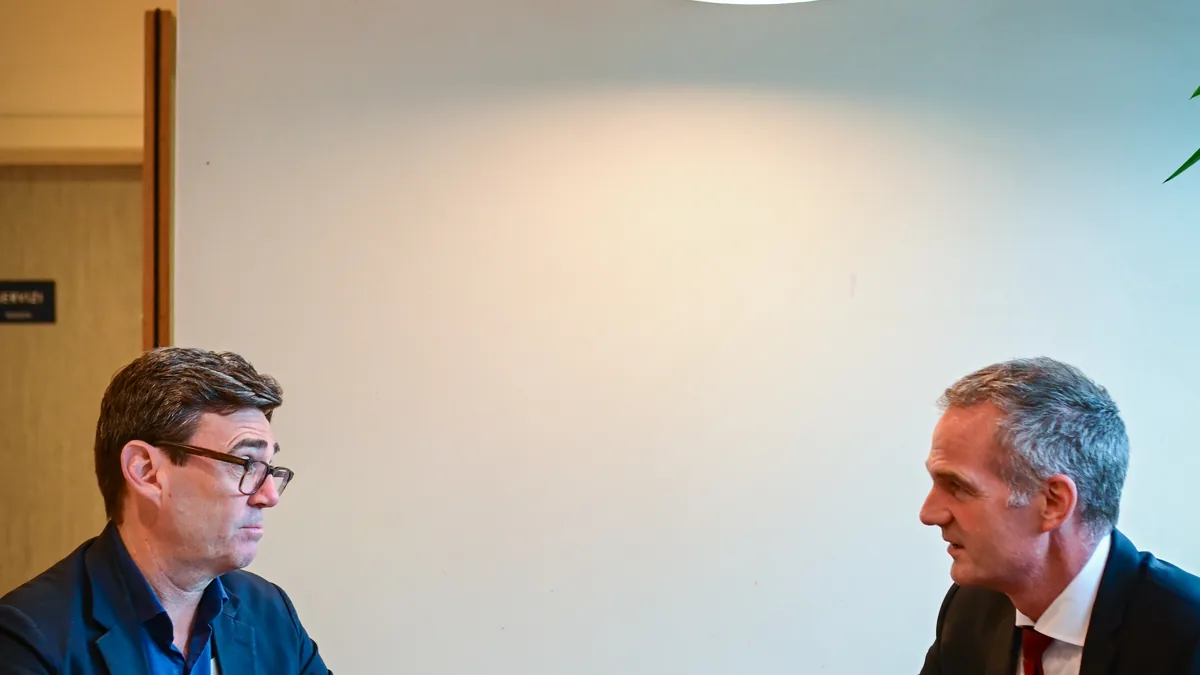
Prime Minister Andy Burnham has set out a proposal for a universal social care service in England that would be free at the point of use — an arrangement modelled on the NHS. The plan would appear in the next Labour manifesto rather than the current parliament, and the funding mechanism has not yet been decided. Here is what has been proposed, what remains unresolved, and what it would mean for people who use or pay for care.
What Burnham announced
Speaking in a BBC interview and at Labour's annual conference in September 2026, Burnham said he wants to create a universal social care service where everyone contributes and care is free when people need it. He used the NHS as the explicit reference point — a system where the principle is access based on need rather than ability to pay.
Key points from his statement: the service would be universal; contributions would be broad-based rather than means-tested, though the specific funding model has not been decided; it would be free at the point of use; it would not be implemented in the current parliament; it is intended to feature in the next Labour general election manifesto; and the funding model is still under active review.
Baroness Casey, who has been reviewing adult social care in England, is expected to inform the policy's development. The Guardian reported Burnham's framing directly from the BBC interview.
What the proposal does not yet include
There is no final funding mechanism. Burnham explicitly said that question is still being worked through. That matters because social care in England currently costs tens of billions of pounds annually, with funding drawn from local authorities, personal contributions from care recipients, and separate NHS funding streams. A universal, free-at-point-of-use system would require a funding mechanism capable of covering the proposed universal service.
Whether the contributions Burnham described would take the form of a new hypothecated tax, higher national insurance, general taxation, or some other arrangement has not been specified. That gap is the most significant unresolved element of the proposal.
Why the current system is under pressure
England's adult social care system is means-tested. People with assets above the upper capital limit — currently £23,250 in England — are generally expected to fund their own care following a financial assessment. Those who fall below the threshold and have assessed care needs may receive local-authority-funded care, though eligibility, available services and support levels can vary between local authorities.
The result is a system where identical care needs can result in very different costs depending on personal financial circumstances. People who have saved, owned property, or received inheritances can face substantial care bills.
The NHS comparison is instructive: the principle Burnham is describing would extend to care the logic already applied to healthcare — that cost at the point of need should not determine access. Whether that is practically achievable depends on funding solutions that have eluded multiple governments.
What this means for families now
Nothing changes immediately. The proposal is intended for a future manifesto, which means it would require a future government to legislate and implement the change.
For families currently arranging or funding care, the existing rules and costs apply. Understanding care funding in England remains relevant to any immediate planning decision.
What to watch next
The Baroness Casey commission's work is expected to inform the policy. When the next Labour manifesto is drafted, this commitment and its funding mechanism will be one of the most closely scrutinised elements. Check back when the Casey commission reports for an update on the funding model that emerges.