 Sunita Somvanshi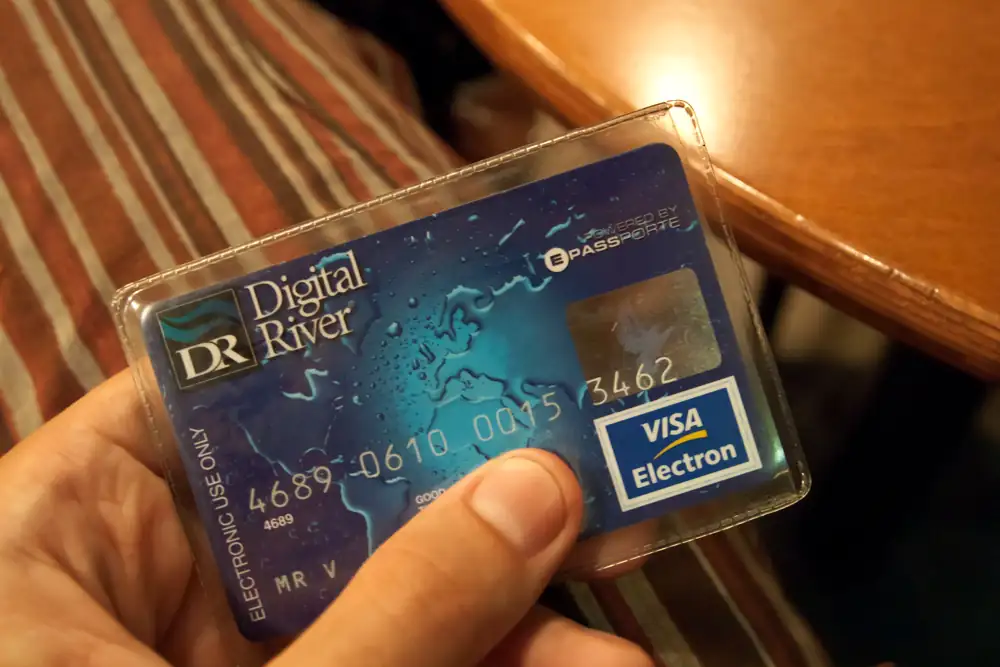
If you've been paying an extra 1–2% at checkout because you tapped a card instead of using cash, that fee ends on October 1. New rules mean Visa, Mastercard, eftpos and American Express network contracts will ban merchants from adding a separate surcharge for card payments — in-store and online. Here's what actually changes, and what remains legal.
From October 1, 2026, the Reserve Bank of Australia's updated payments framework removes the legal structure that allowed businesses to pass card processing costs directly to customers as a line-item fee. The Australia card surcharge ban covers Visa, Mastercard, eftpos and American Express transactions across physical terminals and e-commerce. The Australian Competition and Consumer Commission confirmed that businesses cannot apply card-payment surcharges under the new network rules. To soften the impact on merchants, the RBA is also reducing interchange fees for qualifying small businesses — bringing consumer credit card interchange fees down from up to 0.80% to 0.30%, with debit card fees reduced to 0.16% or 8 cents (whichever is lower); commercial card interchange fees remain unchanged.
From October 1, Australians will no longer see a separate percentage added at the EFTPOS screen. But everyday purchases may quietly cost more. Because merchants can no longer separate out swipe fees at checkout, cafes and retailers are folding card processing costs directly into base prices. Cash-paying customers may now share transaction overhead that was previously itemised and charged only to card users.
What the Card Surcharge Ban Covers — and What It Doesn't
The ban is specific: it applies to fees charged because a customer chose to pay by card. Weekend and public holiday surcharges stay legal under Australian Consumer Law, provided businesses display them clearly. A hospitality weekend or public-holiday surcharge is a separate type of fee and is not covered by the October 1 card-surcharge change.
Businesses can still refuse certain cards, apply minimum spend thresholds where card scheme rules allow, or raise overall prices. Under consumer pricing regulations, the ACCC says any price increase cannot be falsely attributed or misleadingly presented to customers.
The structural shift: the RBA didn't legislate card processing costs out of existence. It removed its previous prohibition on card networks enforcing their own "no-surcharge" merchant contract terms. Visa, Mastercard and others can now contractually require merchants to include card costs in their headline price rather than adding them at point of sale. The government deregulated the card networks' ability to enforce all-inclusive pricing — the cost didn't disappear, it was absorbed into what you pay regardless of how you pay.
The Australian Small Business and Family Enterprise Ombudsman has advised small businesses preparing for the transition to review payment systems, update pricing, brief staff, and confirm point-of-sale terminals are configured correctly before the October 1 deadline.
Can businesses still charge a weekend or public holiday surcharge in Australia?
Yes. The October 1 reform covers only surcharges applied because a customer paid by card. Cafes, restaurants and service businesses can still apply weekend, Sunday or public holiday rates, as long as they display them clearly on menus and price boards.
Does the ban apply to online shopping and international cards?
Yes. The ban applies to both in-store terminals and e-commerce checkouts. The network rules generally also cover internationally issued cards.
Under the new structure, card networks enforce the no-surcharge merchant contract terms, while the ACCC retains its investigation and enforcement functions where consumer protection issues arise.