Karmactive Team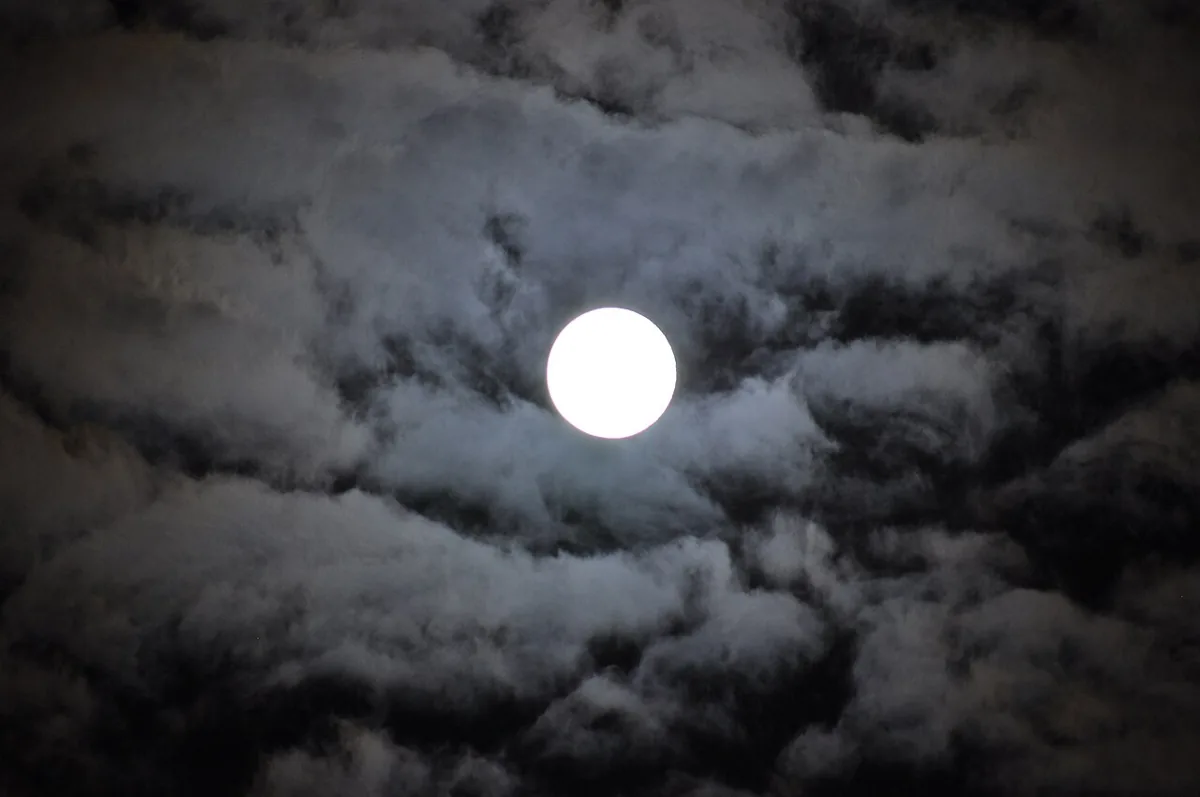
The September full moon — the Harvest Moon — reaches full illumination on September 26 and rises near Saturn, which is bright enough to see without a telescope. Here is what to look for and when.
NASA’s September 2026 skywatching guide confirms the Harvest Moon falls on September 26, near the autumnal equinox. Saturn appears close to the lunar disc and is visible to the naked eye. Neptune is also nearby but requires binoculars or a telescope — it sits around magnitude 8, well below the threshold for naked-eye visibility. The Harvest Moon is the full moon nearest the autumnal equinox — it typically falls in September but can occur in October in some years.
No specialized equipment is needed to see the Harvest Moon or to spot Saturn as a bright object near it. Timing matters more than gear: position yourself with a clear eastern horizon shortly after local sunset. To see Saturn’s rings clearly, a telescope is needed; binoculars will show Saturn as a bright point near the moon.
Related Karmactive coverage: Karmactive’s September skywatching guide and Karmactive moon-science background.
The Harvest Moon looks reddish-orange near the horizon because its light passes through a thicker layer of Earth’s atmosphere at that angle than when it is overhead, scattering short blue wavelengths and leaving warm red tones. This process — Rayleigh scattering — is the same one that colors sunsets. Its apparent large size near the horizon is the moon illusion: a neurological effect in which the brain perceives objects as larger when measured against trees, buildings, or other horizon reference points. The moon is not physically larger; a camera without foreground references records the same angular diameter at the horizon as overhead.
The Harvest Moon’s traditional significance comes from its timing, not its appearance. Because the full moon nearest the autumnal equinox rises when the ecliptic makes its shallowest angle with the eastern horizon, moonrise happens around 25 minutes later on successive nights across mid-northern latitudes — compared to the standard lag of around 50 minutes on other nights of the year. Timeanddate.com documents approximately 25 minutes between successive moonrises near New York around this date. Before electric lighting, that compressed delay gave farmers usable post-sunset light for several consecutive evenings during the autumn grain harvest, which is where the name comes from.
For amateur stargazing basics and an autumn astronomy calendar, see the linked guides.
The Saturn conjunction is specific to this year’s positioning. The Harvest Moon is the full moon nearest the autumn equinox — it usually falls in September but can occur in October.
Primary source links: science.nasa.gov.