 Govind Tekale
Meyer holds a unique position on South African racial violence—he negotiated peace during apartheid, then spent decades mediating after it. When Trump claimed white farmers face “genocide,” Meyer rejected the framing entirely. Trump had said South African whites face targeted killing campaigns. Meyer’s credentials matter: few people know this conflict’s actual patterns better than someone who has worked inside it. The facts about farm violence in South Africa reveal a different picture than the White House narrative claims.
Related: NATO foils Russian cable sabotage near Svalbard | UNEP confirms world will overshoot 1.5C warming
Meyer is a South African mediator and anti-apartheid activist who worked to end the apartheid regime and later rebuild racial trust. Trump announced he would create a special immigration pathway for South African whites, claiming they face genocide. Refugee numbers tell the story: the U.S. has admitted nearly 13,000 South African refugees under a new pathway, with 17,500 more planned for approval. Meyer’s contradiction comes as visa restrictions tighten for others seeking entry to the United States. His statement directly challenges the administration’s stated justification for these policy changes.
The claim of white genocide has shaped Trump’s immigration priorities toward South Africa. Meyer’s intervention strikes at the heart of this policy. If no genocide exists, the rationale for special visa pathways weakens. The credibility of Meyer’s position rests on his track record: he mediated between South African whites and blacks during the nation’s most violent transition. He holds no partisan allegiance to either Trump or his critics. Yet his statement aligns with data that contradicts the White House claim.
Meyer spent the apartheid era and the transition that followed as a mediator between racial groups. His credentials on South African racial violence are impeccable. When he says white genocide does not exist, the claim carries weight because of who is saying it. The actual data on farm attacks supports Meyer’s position. According to South African records, the majority of farm attack victims are black, not white. Black farmers and farm workers face the same or greater risk than white farmers.
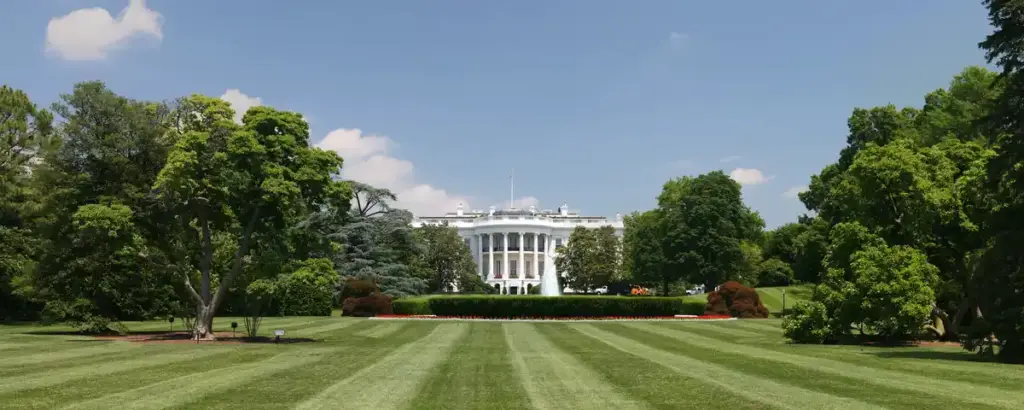
The White House established a refugee pathway specifically for South African whites, responding to claims of genocide. The pathway has admitted nearly 13,000 refugees already, with plans to admit 17,500 more. Visa restrictions tightened for other South African nationals. An Afrikaner lobby group held a vigil at the White House protesting South African policies. Trump cited white persecution and farm attacks as justification for the special pathway. Meyer’s public statement undermines this framing.
Farm violence in South Africa is real and devastating. But it affects multiple racial groups. Black farm workers and farmers experience the highest absolute numbers of attacks. Meyer’s position is that violence is a criminal matter, not a racial genocide. Characterizing it as genocide inflames racial division rather than addressing crime. The data Meyer cites shows farm murders declined in recent years across all racial groups.
Meyer’s statement reveals how claims of genocide can drive policy without factual foundation. The White House created an immigration pathway based on a genocide narrative. Yet the person most credible on South African racial violence explicitly contradicts that narrative. This gap between claim and expert assessment raises uncomfortable questions about how immigration policy gets justified. Meyer is not denying violence—he is denying the genocide frame.
Does white genocide occur in South Africa? The answer from people on the ground, including Meyer, is no. Farm violence happens. Murders happen. Racial tensions persist. But genocide—the systematic killing of a racial group—does not match the evidence. Black farm workers and farmers face equal or greater violence. Meyer’s expertise and independence matter because they come from someone with no reason to deny actual persecution if it existed.
The White House pathway created diplomatic strain with South Africa. Officials in Pretoria protested the implication that their nation persecutes whites. Meyer’s statement amplifies that diplomatic pressure. South African media reported his comments as an embarrassment to Trump’s framing. The refugee numbers—nearly 13,000 admitted, 17,500 more planned—represent a significant immigration commitment based on a claim now contradicted by apartheid’s own mediator.