 Karmactive Staff
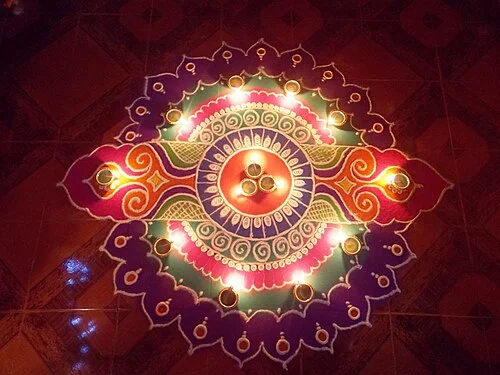
Every year, millions of idols are immersed in water bodies during Hindu festivals, yet few celebrate this tradition while acknowledging its environmental cost. The water pollution stemming from idol immersion represents a complex intersection of cultural practice and ecological damage, particularly concerning the materials and paints used to create these sacred objects. Understanding these impacts empowers communities to make choices that honor tradition without compromising environmental integrity.
The difference between clay and plaster-of-Paris idols determines whether immersion heals or harms aquatic ecosystems. Traditional clay idols, formed from natural earth, dissolve gradually when submerged. This dissolution process takes weeks or months, allowing microorganisms in water to break down the material into harmless components that integrate back into the ecosystem. Plaster-of-Paris idols, manufactured from gypsum compounds, do not dissolve in water. Instead, they sink and accumulate on riverbed floors, where they persist for years, disrupting sediment composition and habitat structures. Rivers and ponds across India contain hundreds of tonnes of POP idols from previous celebrations, creating layers of inert material that prevent fish breeding and alter water chemistry. See Plaster of Paris, Clay, and Aquatic ecosystem.
The paints applied to both clay and POP idols introduce an equally troubling problem. Synthetic paints commonly used to color idols contain heavy metals including lead, mercury, and cadmium—substances known to bioaccumulate in aquatic organisms and move up the food chain. When immersed, these paints leach into water, creating toxic conditions for aquatic life while contaminating drinking water supplies for downstream communities. Freshwater fish exposed to heavy metal-contaminated water develop neurological damage, reproductive problems, and shortened lifespans. For human populations dependent on these water bodies, prolonged exposure to heavy metal contamination causes kidney disease, neurological disorders, and reproductive complications. See Heavy metals in paint, Lead paint, Mercury), Cadmium, and Bioaccumulation.
The scale of this pollution became notably evident during major festivals. Ganesh Chaturthi, a state festival of Maharashtra, draws millions of participants into immersion ceremonies annually. In Kolkata, Durga Puja celebrations include immersion ceremonies where hundreds of idols enter water systems simultaneously. The cumulative effect of festivals across India introduces tons of synthetic materials and heavy metals into aquatic environments seasonally. See Ganesh Chaturthi, Durga Puja, and Ganges.
Eco-friendly alternatives exist and are increasingly accessible. Clay idols crafted by local artisans dissolve naturally without residue. Natural paints derived from mineral pigments, clay, and plant-based dyes create beautiful colors without introducing toxins. These alternatives, initially slightly more expensive than synthetic options, become economical when environmental remediation costs are factored in. Water treatment facilities spend millions removing idol debris and heavy metal contamination from drinking water supplies—costs ultimately borne by taxpayers. See Natural dye, Pigment, Water treatment, and Hindu art.
The path forward requires shifting cultural narratives around idol immersion. Sustainable practices need not diminish spiritual authenticity; instead, they deepen devotion by extending care beyond immediate ritual to encompass watershed health and community wellbeing. See Environmental health, Public health, and Eco-friendly.
Priority PAA: How to reduce water pollution from festival puja offerings? Choose clay idols, use natural paints, and support sustainable immersion practices to protect water bodies and communities.
—