 Karmactive Staff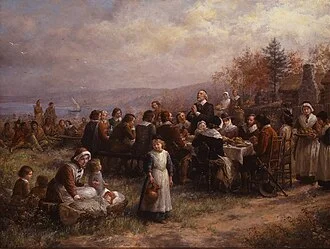
Thanksgiving arrives on Thursday, November 26, 2026, bringing the American tradition of gathering to eat, give thanks, and connect. For most households, the meal centers on turkey—a bird raised specifically for this meal—alongside sides that showcase regional and family traditions. Planning the meal with thoughtfulness about where food comes from, how much to prepare, and what happens to leftovers makes the day both easier and more aligned with intentional eating. Thanksgiving overview).
Turkey farming itself involves real environmental considerations. Large-scale industrial operations raise birds quickly with minimal space, often using antibiotics as growth promoters and relying on processed grain feed. Smaller farms, including some with pasture-raised or heritage breed practices, operate very differently. The difference in environmental impact—water use, waste production, chemical inputs—is substantial. If you eat turkey, buying from a farmer who raises birds with space to move and without routine antibiotics costs more per pound but means your meal supports practices that are more sustainable. Many farmers bring turkeys to farmers markets or take direct orders in the weeks before Thanksgiving. Starting your search in mid-November gives you options.
Heritage breed turkeys—old genetic lines like Bourbon Red, Royal Palm, or Narragansett—tend to come from smaller producers who care about preserving the varieties. They often taste noticeably different from mass-market birds, richer and more flavorful. The meat is often darker. They cost more. They’re also a way of supporting biodiversity and farming practices that don’t consolidate all production into industrial facilities.
If you don’t eat turkey, that’s perfectly fine. Thanksgiving is about gathering and food, not specifically about poultry. A large chicken, duck, cornish hens, vegetarian protein like lentils or mushrooms, or seafood all work beautifully as the centerpiece. The core of the meal is time spent together.
Planning portions carefully prevents waste. Cooks often prepare far more food than anyone will actually eat, defaulting to enormous quantities based on old recipes or family patterns. Thinking about how many people you’re feeding, how much they typically eat, and what will actually be consumed prevents cooking three times what you need. Cooking less and having room for seconds is better than cooking excess that sits around.
Sides often include dishes made well in advance—stuffing, sweet potatoes, casseroles. Many of these reheat beautifully or can be made the day before and gently warmed on the day itself. Planning your cooking schedule means you’re not managing five hot pans and the oven at the same time. Green bean casserole, sweet potato with marshmallow, gravy, cranberry sauce, and pie can all be prepared in advance, reducing cooking stress and the energy used on the day itself.
Leftover management matters as much as the initial cooking. Have containers ready before the meal is finished. Cooked turkey stays safe for three to four days in the refrigerator in shallow containers. Stock made from the carcass and bones freezes beautifully and becomes the base for soups and stews over the following weeks. Encouraging guests to take food home in their own containers or providing disposable containers means fewer people have Thanksgiving-sized leftovers sitting around their homes, and less food becomes waste.
Cranberry sauce and pie last several days and freeze well. Stuffing becomes bread salad or stuffed tomatoes. Leftover turkey becomes sandwiches, soup, curry, pot pie, and casseroles. Planning how you’ll use leftovers before the meal ends means you’ll actually cook with them rather than eventually throwing away congealed food from the back of the fridge.
Thanksgiving traditionally involves travel. If you’re driving, leaving early enough to avoid rush-hour congestion, keeping your vehicle maintained, and packing snacks and water for the journey makes it more pleasant. Driving during off-peak hours uses slightly less fuel because you’re not idling in traffic. If you’re flying, arriving at the airport with time to spare, moving through security efficiently, and being patient with the crowds that accompany holiday travel helps everyone. Flying represents a large carbon cost, but for people with distant family, it’s sometimes the only way to gather.
Thanksgiving is fundamentally about gratitude and connection. That doesn’t diminish if you buy a smaller turkey, make portions that actually get eaten, or rely on leftovers for days afterward. In fact, extending the meal across multiple days through thoughtful use of what you’ve cooked honors the work of raising and preparing food. This November 26, gather with the people and the food that matter to you, and let the planning itself be part of the care you take with the meal. Ziro Festival 2026 shares zero-waste travel tips.