 Rahul Somvanshi
Australia’s Fossil Fuel Export Model Faces Stranded Asset Risks as Climate Analytics Calls for a Phase-Out
A new report models a domestic fossil fuel phase-out by mid-century. The bigger risk is export infrastructure built for Asian demand that may not materialize.
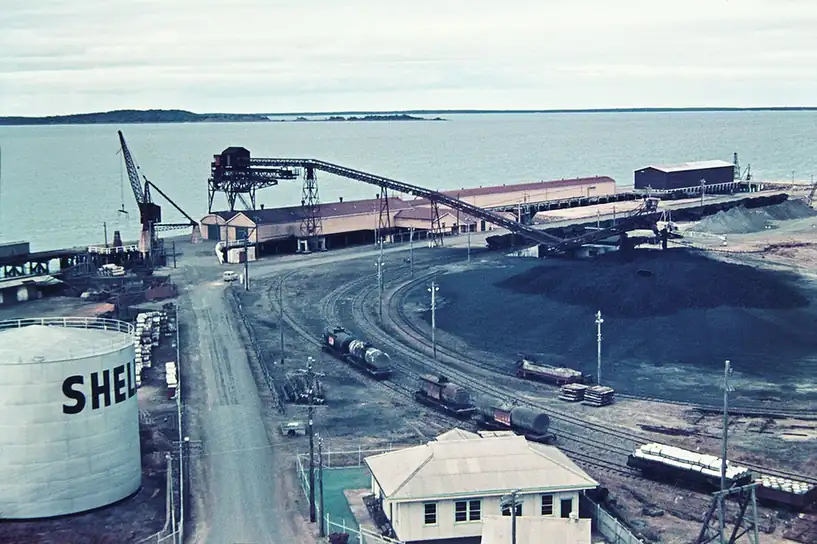
Photo: Jack Bain, Queensland University of Technology via
Wikimedia Commons — CC BY 4.0.
If you run or invest in an Australian coal or gas export operation, a new study says the biggest risk to your assets is not Australia’s own climate policy. It is what your customers in Asia are about to stop buying.
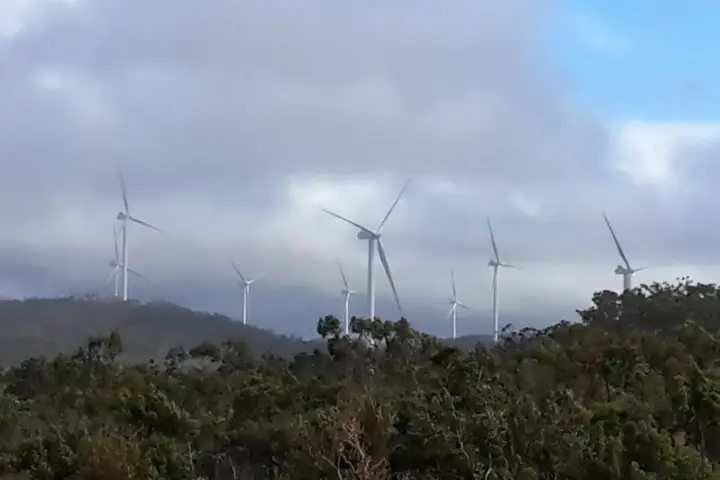
Climate Analytics published a report on September 13, 2026, modeling a full fossil fuel phase-out pathway for Australia. The report finds that Australia can bring domestic fossil fuel use to zero by mid-century, with coal-fired power generation ending by 2034 and renewables supplying virtually all of the country’s electricity by 2040.
Separately, the report warns that Australia needs to cut its coal and gas production for export, not just its domestic power generation, to limit both its own emissions and its global carbon footprint from fuel it sells overseas. Australia is set to serve as President of Negotiations for COP31 in Antalya, Türkiye, in November 2026.
For related context on how Australia’s energy transition is reshaping domestic policy, see Karmactive’s coverage of Australia energy transition and Australian mining investment.
The Climate Analytics report models a pathway where Australia brings domestic fossil fuel use to zero by mid-century
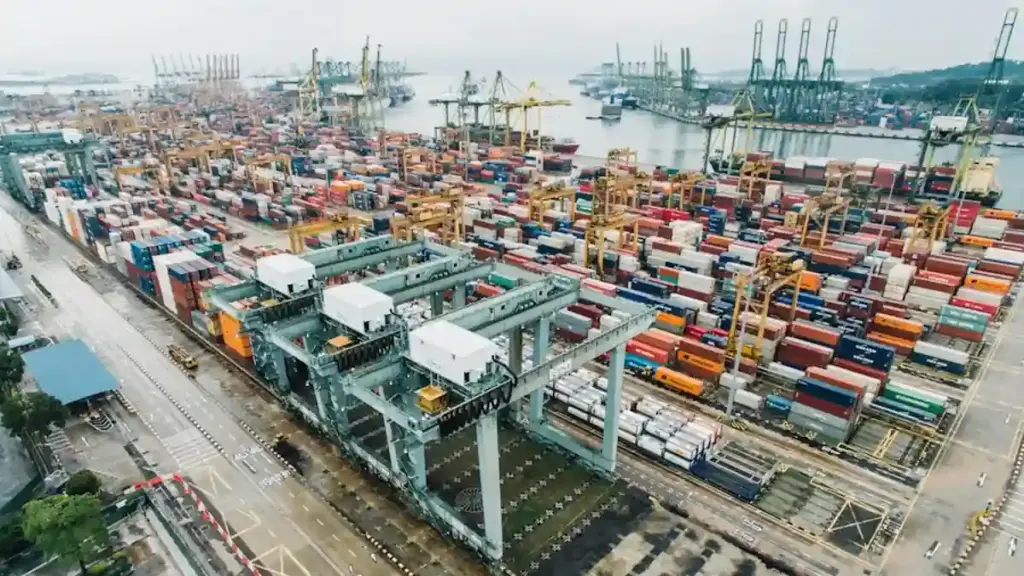
These domestic targets are separate from the report’s warning on exports. The distinction matters for investors because Australia’s export infrastructure — ports, rail lines, mines — was built to serve decades of coal and gas demand from Asian markets. If that demand declines faster than current projections assume, the infrastructure becomes stranded before it can generate the returns assumed in investment models.
The Climate Analytics report recommends a time-bound strategy for winding down fossil fuel exports, including halting approvals for new or expanded export projects. For related Karmactive coverage on how climate risk is reshaping investment decisions, see our analysis of Australian mining investment and climate risk in energy portfolios.
Domestic Emissions vs Export Emissions
The chart illustrates the scale difference between Australia’s domestic emissions and the emissions associated with its fossil fuel exports. When coal and gas are exported and burned overseas, those emissions are attributed to the consuming country under international accounting rules.
Source: Climate Analytics, A Fossil Fuel Free Australia (2026). Emissions figures are indicative.
Australia’s role as President of Negotiations at COP31 places its export policy under international scrutiny
The summit, held in Antalya, Türkiye, from November 9-20, 2026, is expected to focus on progress toward the Paris Agreement goals. The Climate Analytics report argues that Australia’s export policy should align with the emissions reductions it advocates internationally.
For institutional investors, the lead-up to COP31 represents a period when the stranded asset argument is likely to receive renewed attention, particularly from investors evaluating long-term exposure to coal and gas export infrastructure. For more on how COP31 negotiations are shaping energy policy, see Karmactive’s coverage of COP31 climate negotiations and climate risk in energy portfolios.
Australia Fossil Fuel Phase-Out: Key Milestones
The report models a pathway where domestic fossil fuel use reaches zero by mid-century, with coal generation ending by 2034 and renewables supplying virtually all electricity by 2040.
Australia Fossil Fuel Exports: Questions Answered
Track Australia’s COP31 negotiations
Australia’s export policy is expected to draw attention at the November summit in Türkiye. Follow the stranded asset argument as it develops.
Read Our COP31 Coverage
Climate Analytics — A Fossil Fuel Free Australia (2026) ·
Climate Analytics — New study shows Australia can immediately start phasing out fossil fuels ·
DCCEEW — COP31 Australia-Pacific ·
DCCEEW — National Greenhouse Gas Inventory.
Related reading on Karmactive:
Australia energy transition ·
Climate risk in energy portfolios ·
COP31 climate negotiations.