 Sunita Somvanshi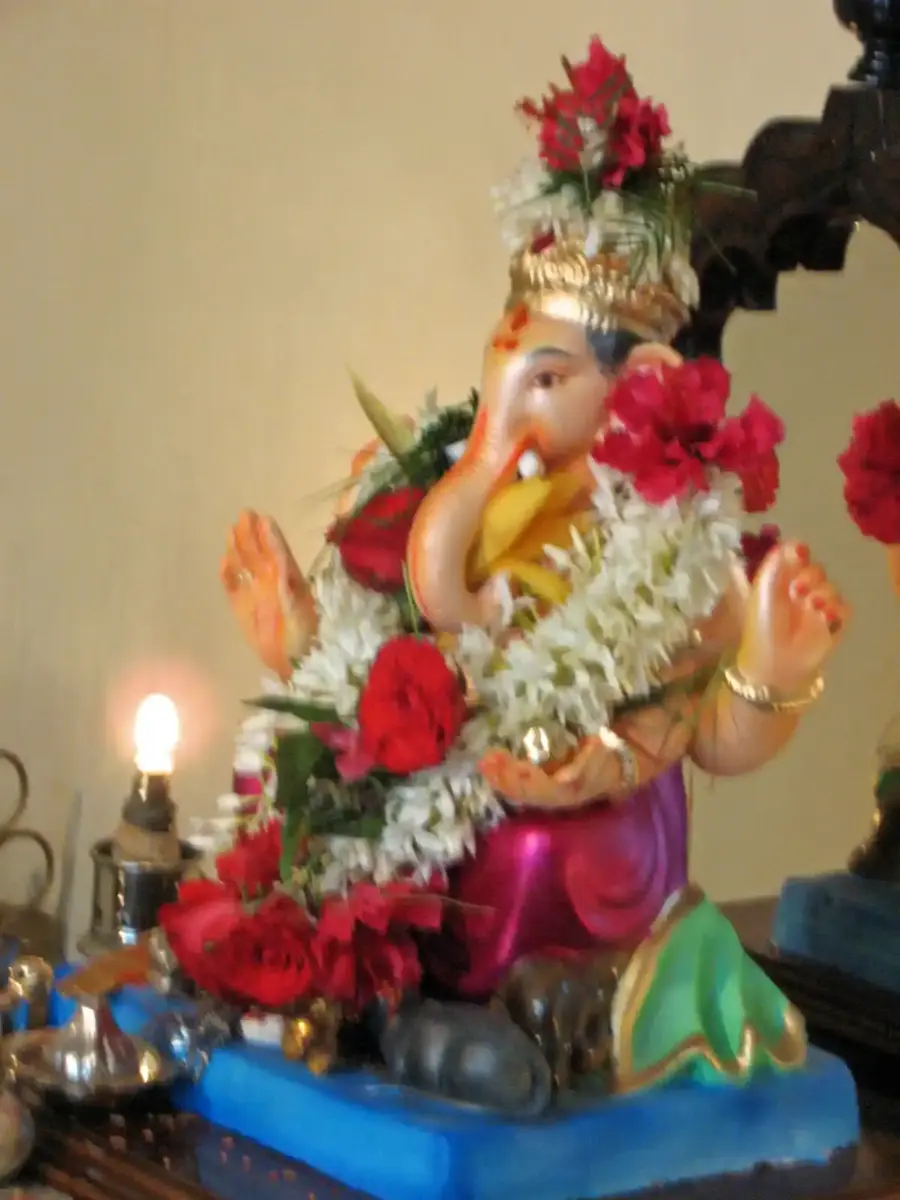
Ganesh Visarjan 2026 falls on September 25, and families still have time to make the immersion safer for water bodies before the procession begins. The most useful eco-friendly Ganesh Visarjan plan starts at home: choose safer materials, separate offerings, remove decorations, use official immersion points, and prepare for crowds before leaving.
The aim is not to reduce devotion. It is to prevent avoidable pollution from entering lakes, rivers, beaches, storm drains, and neighbourhood tanks.
For families and mandals, the biggest practical step is to check the idol before immersion day. A natural clay idol is the lowest-risk choice where it is available. If the idol is already made, remove plastic decorations, synthetic cloth, thermocol, glitter, batteries, lights, metal parts, and loose accessories before going to the immersion site. These items do not belong in the water.
Painted idols need extra caution. Bright paints and coatings can add chemicals to the water after immersion. If the idol is made from Plaster of Paris or coated with synthetic paint, do not assume it is safe for a lake, river, or beach. Follow the city’s official immersion instructions and use an artificial pond or municipal tank where one is provided.
Offerings also need a separate plan. Flowers, leaves, coconuts, fruit, incense remains, and cloth are often carried with the idol and then thrown into the water. Keep them in a separate cloth or reusable bag. Hand them to a municipal collection point where available, compost flowers and leaves if your housing society can do it, or dispose of non-compostable material with dry waste. This five-minute step prevents organic waste, plastic threads, and wrappers from collecting around the immersion point.
Transport is part of the environmental plan. If several families from one building are going to the same site, share one vehicle instead of sending many cars. If the site is near enough, walk in a small group. Smaller processions reduce road congestion, cut exhaust, and lower crowd pressure at the final approach to the water.
Safety planning matters as much as waste planning. Visarjan processions can be slow, crowded, noisy, and hot. Carry drinking water, wear comfortable footwear, keep children and older family members away from the densest crowd, and decide a meeting point in case the group separates. A phone battery pack, basic medicine, and a small first-aid kit can prevent a small problem from becoming an emergency.
Mandals can help by placing clear bins for flowers, plastic, cloth, and general waste before the procession starts. Volunteers should guide people before they reach the water edge, not after the crowd has already formed. Separate entry and exit movement can also reduce pushing near the immersion area.
The practical answer is simple: use a clay idol where possible, remove decorations before immersion, keep offerings out of the water, use official immersion points, and carry only what your group needs. A cleaner Visarjan is not a smaller celebration. It is a celebration planned with respect for the water everyone depends on after the festival ends.