 Sonali Tiwary
Venezuela’s June 2026 earthquakes caused $14.831 billion in direct damage and economic losses — and a full recovery could require up to $21 billion, according to a post-disaster needs assessment published by the United Nations Development Programme.
The two figures are different measures of different things, and both matter. The $14.831 billion represents what was destroyed or disrupted: buildings collapsed, infrastructure damaged, economic activity lost. The $21 billion figure represents what it would take to rebuild Venezuela’s affected regions to a level of resilience that reduces future vulnerability — not just replacing what existed before, but financing the improvements needed to withstand future events.
For international investors, regional manufacturers, and development finance institutions watching Venezuela, this assessment defines the scale of the financing gap. Without substantial external capital and credible legal protections for cross-border investment, Venezuela’s industrial and residential recovery will remain incomplete. Chronic power rationing and infrastructure deficits are already suppressing economic activity. The $21 billion figure represents what structured recovery programs are estimated to need to mobilise — a number that will not move quickly given current sanctions environments and the country’s limited access to international capital markets.
What the Earthquakes Damaged
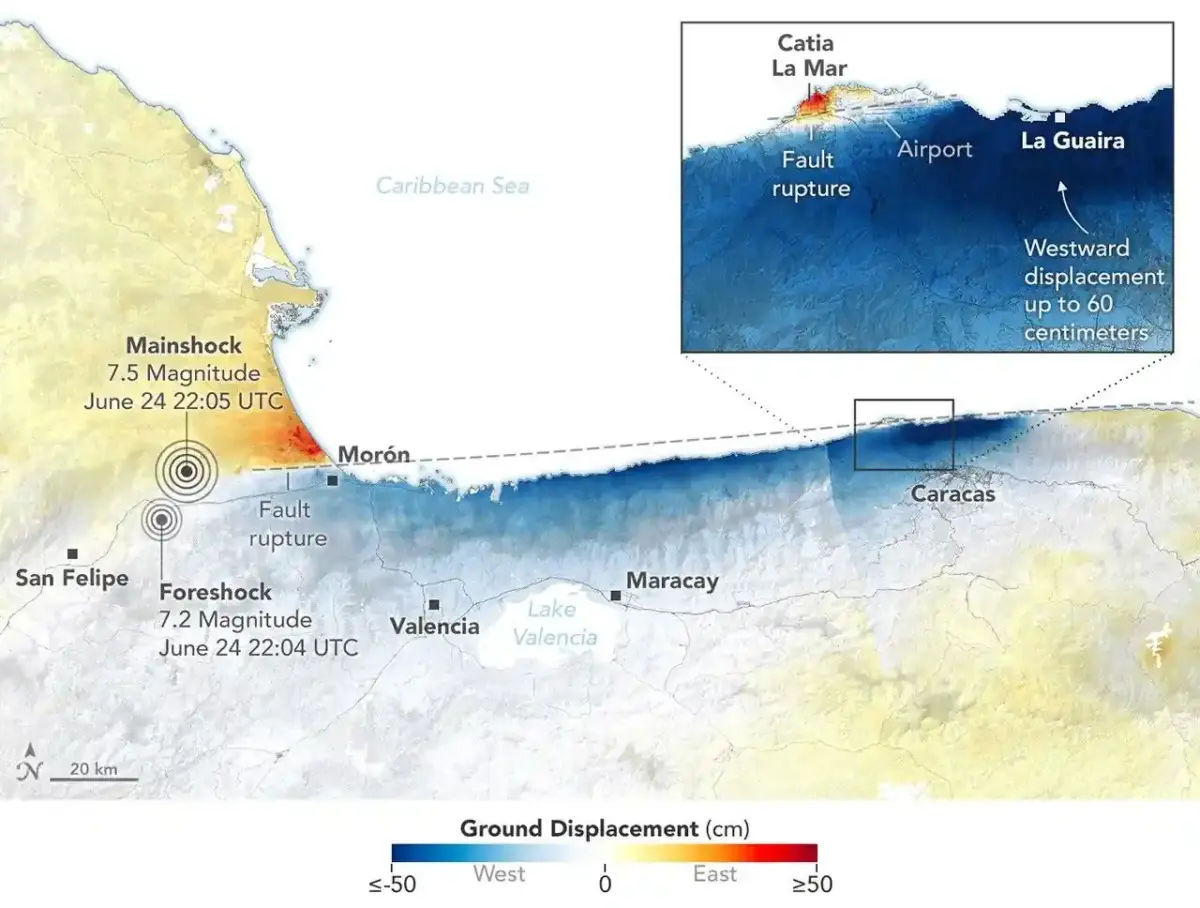
The June 2026 earthquakes struck multiple Venezuelan states, affecting residential housing stock, industrial facilities, energy infrastructure, public buildings, roads, and utility networks. The UNDP post-disaster assessment broke the $14.831 billion figure across damage (physical destruction) and losses (disrupted economic activity during the recovery period).
The largest components of recovery need, as identified in the assessment, span generation and transmission infrastructure in Venezuela’s already-stressed national power grid, as well as housing reconstruction across the affected states.
Venezuela’s electrical grid was already in a state of significant deterioration before the earthquakes. Power rationing has been a persistent feature of daily life in many parts of the country for years, driven by underinvestment, fuel supply problems, and the cumulative effect of sanctions on technology imports. The June earthquakes accelerated damage to infrastructure that was already operating below capacity.
Why Recovery Costs Exceed Damage Costs
The $21 billion recovery figure is larger than the $14.831 billion damage figure for a straightforward reason: rebuilding something exactly as it was does not protect it from being destroyed again in the same way. Modern disaster recovery frameworks — including the UNDP assessment framework used here — factor in the cost of resilience: building to higher standards, relocating structures out of high-risk zones, upgrading utility networks that were substandard before the disaster, and maintaining emergency response systems going forward.
For Venezuela, the gap between damage costs and recovery costs is also inflated by the pre-existing state of infrastructure. Replacing degraded power transmission lines with modern equivalents costs more than restoring what existed before. The UNDP framework counts the upgrade as part of the recovery need, not as an extra.
Financing Challenges
Venezuela faces significant obstacles to mobilising the capital required for recovery. US and European sanctions on Venezuelan state entities limit the government’s access to multilateral lending facilities and restrict the terms on which international investors can operate. The legal framework for protecting foreign investment in Venezuelan infrastructure projects remains uncertain.
The UNDP assessment does not resolve these financing obstacles — it quantifies the need. The practical question for recovery is which combination of multilateral development bank lending, private investment, diaspora remittances, and restructured sovereign instruments could reach the $21 billion target.
The next formal checkpoint will come through UNDP and regional development bank communications on the assessment’s findings.