 Sunita Somvanshi
Producer prices in the U.S. climbed 0.4% in August, and while that might sound small, it tells us something important about pricing happening before it reaches your grocery store and gas pump.
The Producer Price Index measures changes in prices received by domestic producers for goods, services and construction. This measurement reflects what producers charge for their output, not simply what they pay for materials.
August’s producer increase was faster than July’s flat performance and June’s decline of 0.1%. So the trend shows slight acceleration. When you look at goods specifically—things you can physically buy—producer prices climbed 1.1% in August. Services were almost flat at 0.1%. That’s interesting because it shows businesses are facing bigger price pressures on goods than on services.
The broader measure excluding food, energy, and trade services rose 0.3% monthly and 4.7% year-over-year. That core measure matters because it shows inflation in the regular economy without the noise from oil price swings or food supply shocks. A 4.7% annual increase in core producer prices reflects underlying pricing trends.
The Federal Reserve watches multiple inflation measures because they inform policy decisions. Producer prices are one data point among many. The Fed’s inflation target of 2% applies to the PCE price index, which differs from PPI, so comparisons between them require careful interpretation.
Producer price changes can contribute to consumer price pressures, but the relationship is not automatic or immediate. Businesses sometimes absorb cost increases, especially if competition is fierce or if demand is weak. Other times, they pass costs along. The outcome depends on many factors including market conditions, competitive dynamics, and demand strength.
August PPI helps establish the direction of broader inflation trends. If producer costs are climbing across categories, consumer inflation often follows within weeks or months. But it’s not guaranteed. Sometimes producer cost increases remain contained without reaching consumer prices.
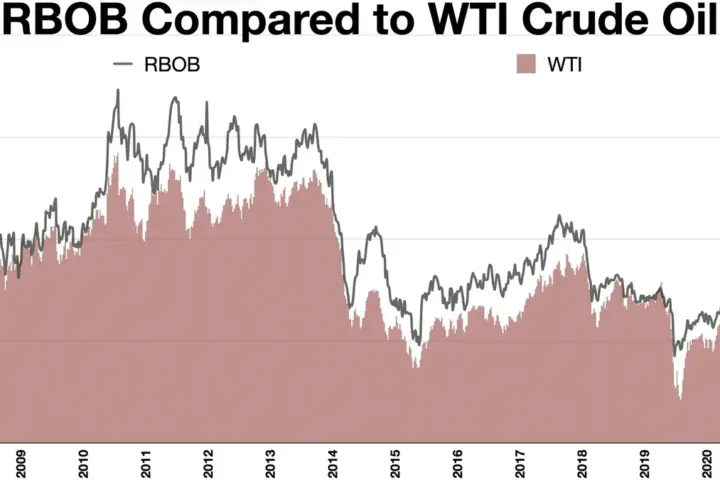
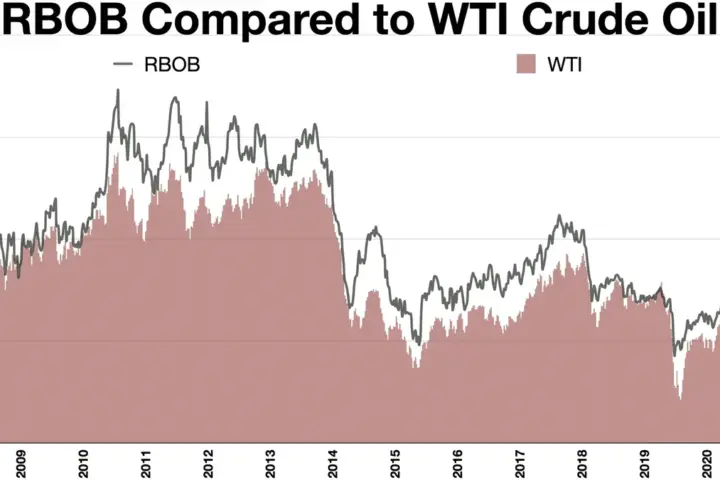
Oil price movements in August likely contributed to overall producer pricing. Energy is a significant cost component across many industries. When crude prices rise, it affects shipping costs, manufacturing expenses, and overall business spending.
The key takeaway: producer inflation ticked up in August. The 0.4% monthly increase shows slight acceleration compared to recent months. This is one input the Fed uses when evaluating economic conditions and making policy decisions.