 Govind Tekale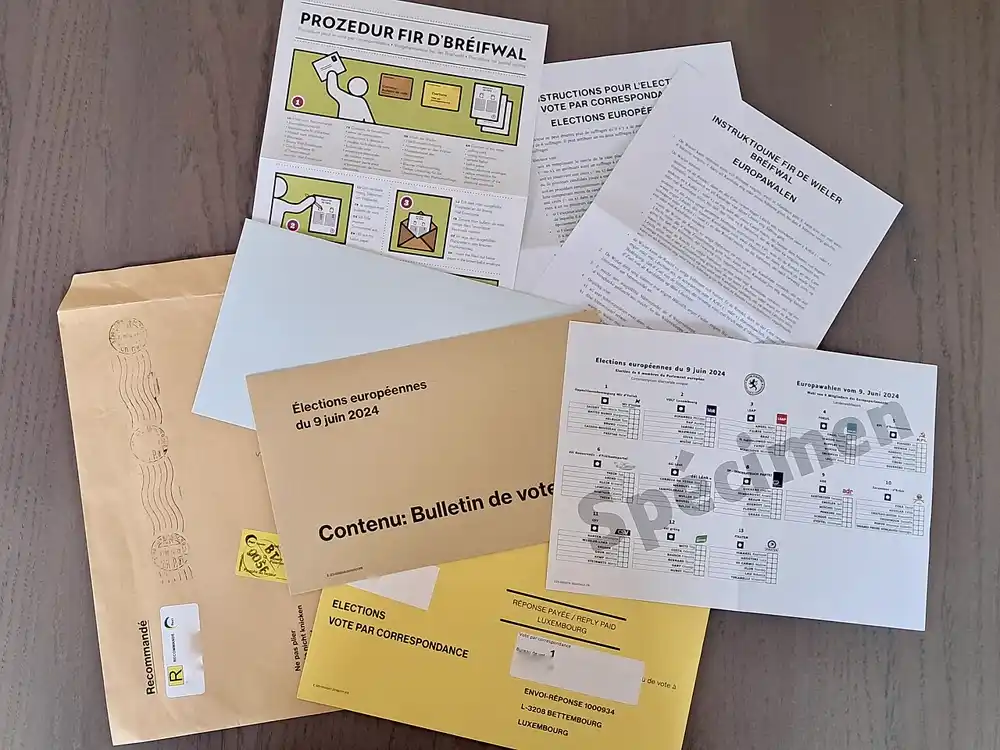
Mail ballots start going to voters as litigation over President Trump’s executive order creates uncertainty ahead of the midterms. North Carolina on Friday became the first state to widely send out absentee ballots for the 2026 midterm elections, but the implementation remains up in the air as states navigate new USPS rules.
The new USPS requirements affect how states handle mail voting ballots across multiple stages of the process. States must now verify voter eligibility through a centralized system before ballots enter the mail stream. The Postal Service has also established stricter guidelines for ballot envelope dimensions, labeling, and return procedures. These changes aim to improve mail ballot tracking and reduce delivery errors, though states report confusion over implementation details and technical glitches with the online voter verification portal.
Statewide mail voting for this year’s midterm elections kicked off amid a churning legal battle pitting blue states and voting rights groups against the Trump administration, which wants major new limits on mail ballots. Voting rights advocates argue that the new requirements will disenfranchise voters, particularly elderly citizens, disabled voters, and those in rural areas who depend on mail voting. The administration counters that stricter verification procedures protect election integrity.
Wake County Board of Elections employees prepared absentee ballots to be mailed on Thursday, September 3, in Raleigh, North Carolina, as the legal battle intensified. The county began processing ballots under the new system, testing compliance with both state election laws and federal USPS regulations.
The rejected ballots issue has become central to the debate. Election officials in multiple states report that rejected mail voting ballots have increased significantly under the new envelope standards and verification requirements. Common reasons for rejection include missing barcodes, incorrect envelope formatting, and delays in voter eligibility verification. Some states blame the USPS rules for creating confusion among voters about proper ballot submission procedures.
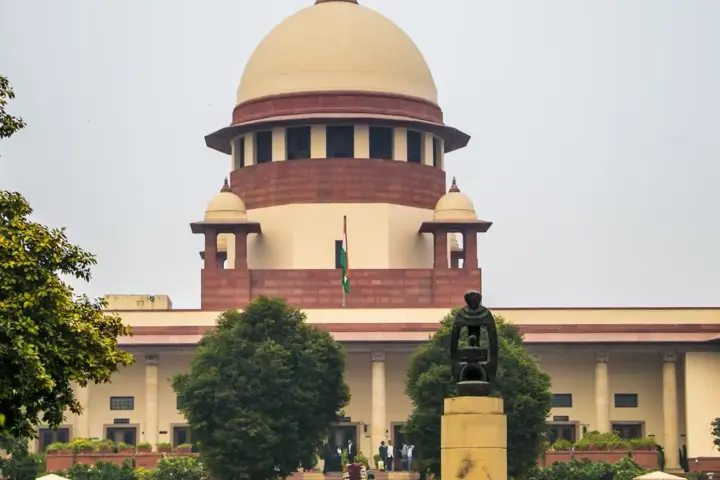
The litigation continues through federal courts as states seek clarity on implementation timelines. Some states argue they need more time to update their mail voting systems and train election staff on new procedures. The Supreme Court has been asked to weigh in, with arguments focusing on whether federal USPS requirements can override state election administration practices.
Election officials emphasize that voters should request their absentee ballots early and follow all envelope instructions carefully. They recommend tracking mail ballots through USPS systems and submitting ballots well before Election Day to avoid delivery delays. For the 2026 midterm elections, the combination of new USPS rules, ongoing litigation, and election administration challenges means mail voting procedures will look different in many states compared to previous election cycles.