Sunita Somvanshi
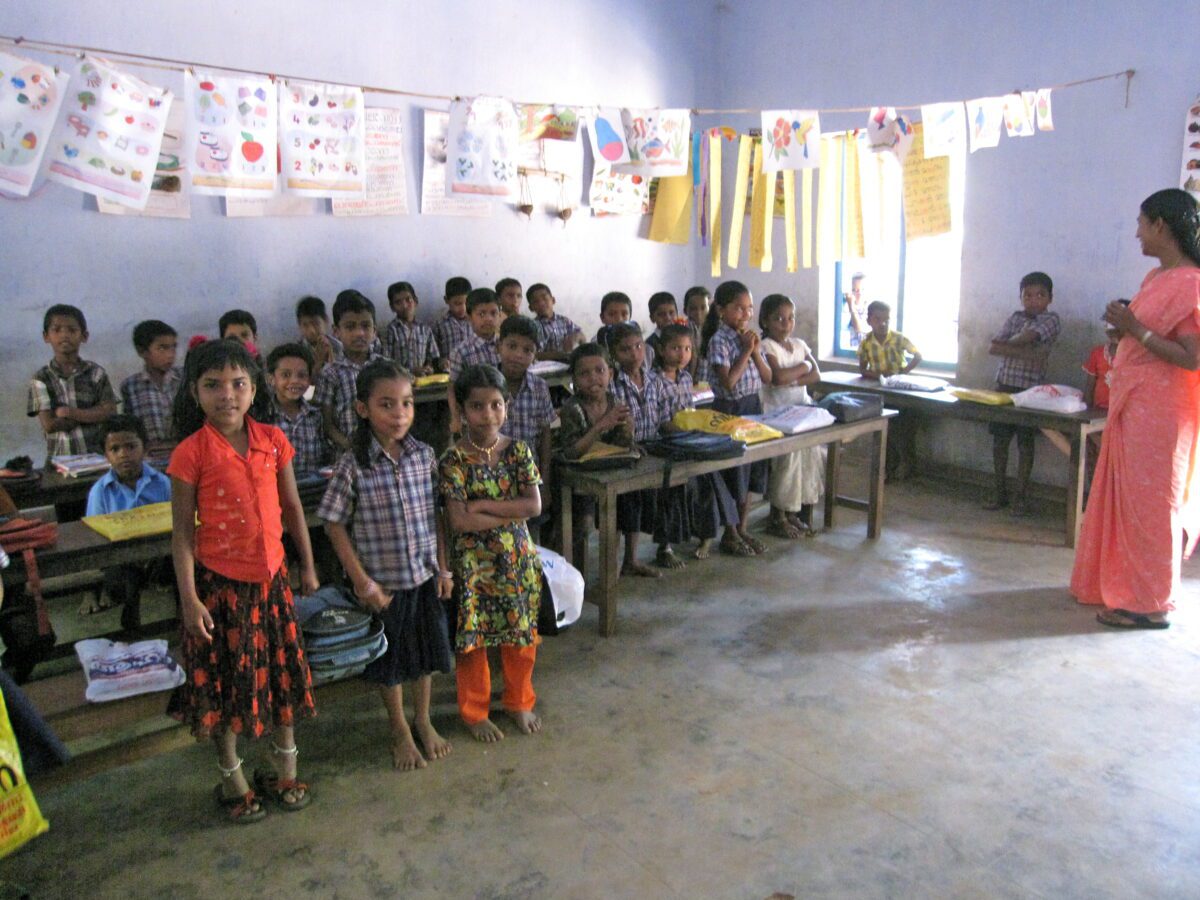
Northern Ireland’s approach to funding pre-school places is about to change fundamentally, according to Education Minister Paul Givan. The shift removes a benefit-based priority system that has governed admissions since 1998.
Givan stated that the Social Deprivation Criteria (SDC) benefit priority has become outdated, unnecessary, and unfair. More significantly, he argued it is no longer legally defensible. The reason lies in welfare reform. Named benefits from 1998 and 1999 regulations have been superseded by Universal Credit, which replaced multiple legacy benefits with a single system.
From September 2027, only benefits named in the outgoing regulations would qualify for SDC priority. This change would render most priority applications negligible in practice. The Department for Education launched a formal consultation in September 2026, asking whether new legislation or guidance is required to implement this change. The consultation closes on 4 December 2026 at 11:59 a.m.
The Department stated that implementation would begin immediately despite the ongoing consultation. The Education Authority confirmed this timeline.
Opposition parties and academics have raised concerns. Sinn Féin, Alliance, and the SDLP warned that removing statutory protection for vulnerable children could harm school readiness and educational outcomes. Dr Ciara Fitzpatrick from Ulster University joined these voices, finding the change would disadvantage already-marginalised families.
Givan’s position rests on different ground. He argued that enough funded pre-school places now exist to accommodate demand without benefit-based prioritisation. He also restated his government’s commitment to expanding full-time pre-school provision, though this goal remains conditional on securing adequate financing.
The debate exposes a genuine tension in policy. On one hand, targeting support by welfare status creates barriers to accessing the system—parents must navigate proof of eligibility, and definitions from three decades ago no longer map cleanly onto current circumstances. On the other hand, removing welfare-based prioritisation in a region with significant deprivation risks leaving the most vulnerable children at the back of the queue.
The Department’s claim that sufficient places exist requires scrutiny. Pre-school access varies geographically, and not all communities have equivalent provision. Urban areas may have sufficient capacity while rural districts struggle.
The consultation period offers an opportunity to test these claims. If funding is genuinely adequate, evidence should demonstrate this. If it is not, the policy change could widen inequality precisely when children are most developmentally sensitive.
For families affected, clarity matters. The September 2027 date provides fourteen months for transition, but the uncertainty about how admissions will be allocated creates planning difficulties now.
Northern Ireland’s pre-school system will look different next year. Whether that difference improves outcomes for all children depends on what replaces the SDC system—and whether sufficient places actually exist.
**Word count: 395**
Let me write Article 3: