 Sunita Somvanshi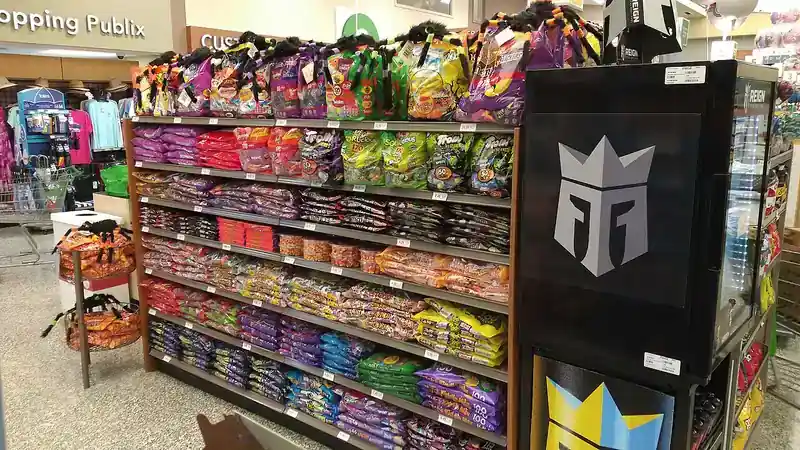
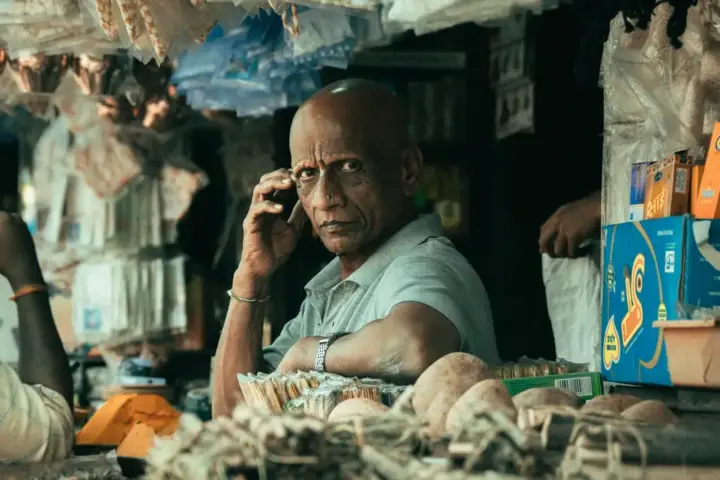
Sugar has become a festival-season pressure point in Nepal, with reports putting retail prices around Rs 140 per kilogram in some markets. The timing matters because Dashain and Tihar lift demand for sweets, packaged snacks, bakery items and household purchases.
The India link is important but should be handled carefully. India’s Department of Food and Public Distribution manages sugar-sector policy, food security functions and import-export matters through official channels such as its Import/Export and IC page. Any claim about export bans, quotas or new supply support should be matched with official notices before being treated as settled fact.
For households, sugar inflation does not stay inside one packet. It can move into sweets, biscuits, chocolates, tea stalls and small food businesses. For traders, the issue is stock, legal imports, transport and festival demand. For governments, it becomes a consumer-price and supply-management question.
Nepal-facing reports say hopes are linked to India because cross-border supply affects availability and price expectations. But the direct cause of each price jump needs official confirmation from Nepal’s commerce authorities, customs records or state-run trading agencies.
India’s food department describes food security as access to basic food through availability, access, utilisation and stability on its official website. That same stability question is now visible in a smaller but more immediate form: the festive sugar bill.
The article covered the reported Nepal sugar-price rise, the India policy link, and the possible cost pressure on sweets and packaged foods before the festival season.
Related Karmactive context includes this earlier report, this linked update.