Sunita Somvanshi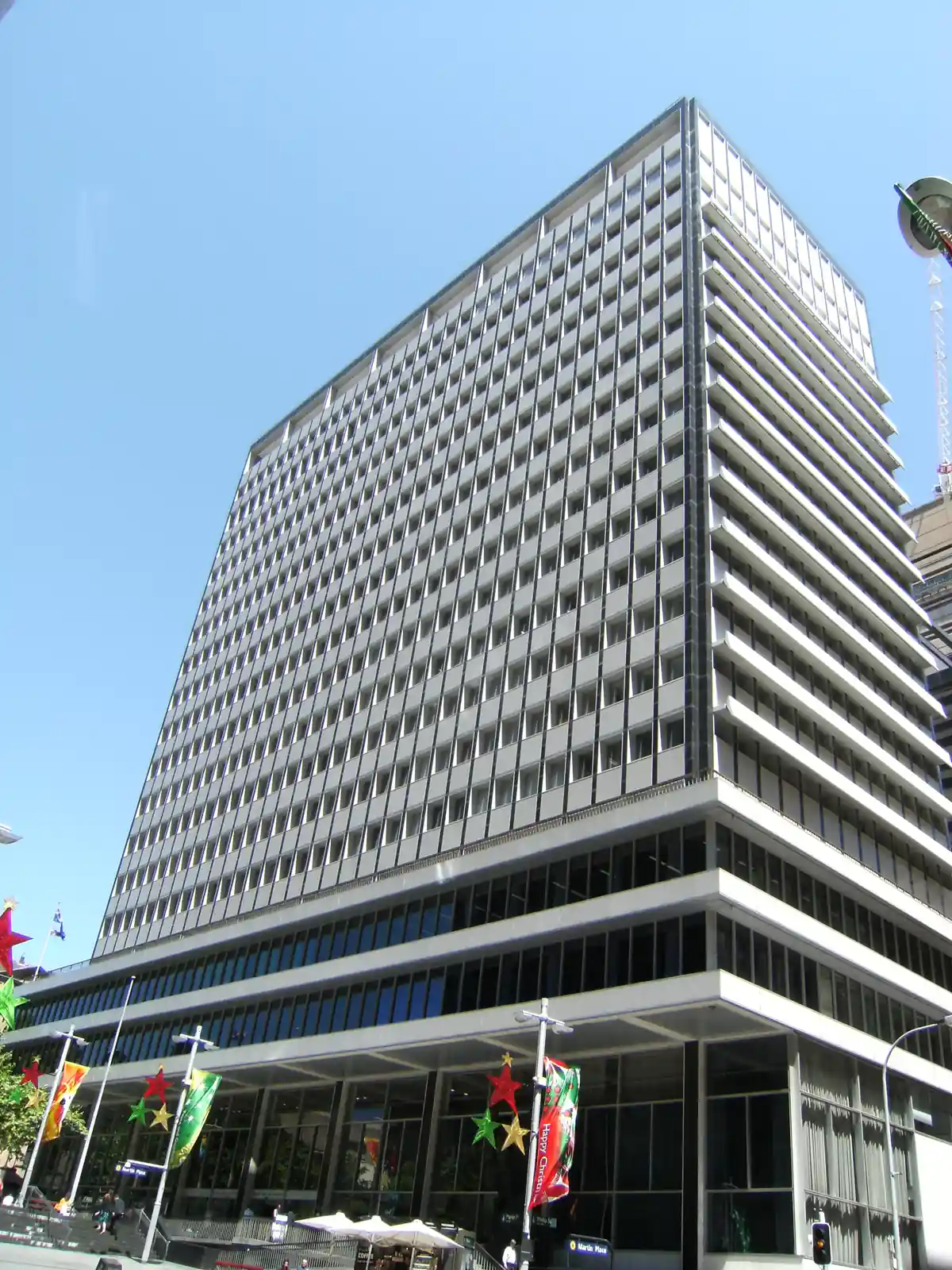
The Reserve Bank of Australia is again under pressure to explain why interest rates may rise, but deputy governor Andrew Hauser added a newer risk to the usual inflation debate: an unexpected global boom driven by artificial intelligence.
In his 8 September ABC 7.30 interview, published by the RBA, Hauser said people are furious about inflation and that the bank has to bring it down. News.com.au quoted him saying central banks are unelected officials and must explain themselves and listen. That communication point is not cosmetic; it is central to the next rate decision.
Three risks before the board
Hauser pointed to three upside inflation risks: further Middle East conflict, an unexpected AI-driven global boom and weakness in Australia’s supply potential. Nine reported that Macquarie Bank now forecasts a September hike, while other major banks have leaned toward a later move.
The RBA’s current cash-rate setting is 4.35 percent, and recent inflation readings remain above the 2-3 percent target band. Karmactive has previously covered how markets reacted when Australian inflation cooled and how banks changed savings products as they braced for RBA rate shifts. The new Hauser interview shows why the rate path remains unsettled.
The AI-boom risk is unusual because most public rate debate focuses on household pain, petrol, rents and wages. A global productivity surge could eventually reduce costs, but a sudden demand boom could also lift investment, energy use and asset prices before supply catches up. That is why the RBA treats it as a risk scenario rather than a forecast.
Hauser did not say a rate rise is inevitable. He said the board must hit the inflation target and will choose another path if the current one becomes unworkable. For households, that means the September meeting is not only about one data point. It is about whether the RBA thinks the next shock is more likely to come from weak demand or another inflation pulse.