 Sonali Tiwary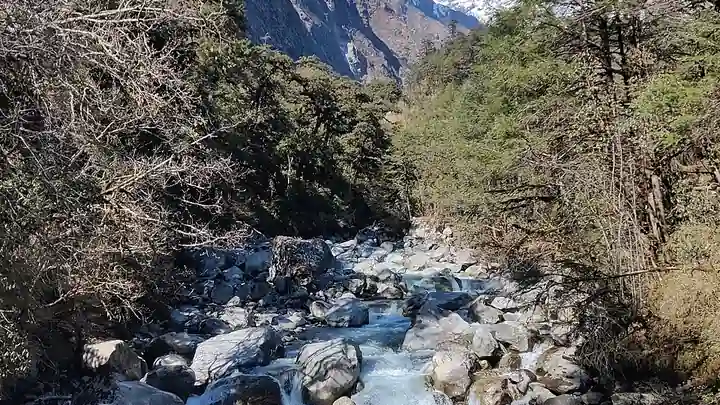
Ten days after a catastrophic flash flood struck hydropower sites in northern Nepal, rescue teams were still finding survivors.
On September 5, 2026, Nepal Army personnel rescued a Chinese national from a 225-metre tunnel at the Upper Trishuli-1 Hydropower Project in Rasuwa district. The day before, two Nepali workers had been rescued from a separate tunnel at the nearby Upper Trishuli 3A hydropower project. The Chinese national had been missing since the August 26 disaster, while the two Nepali workers were rescued after about nine days.
The event that set this off was not simply heavy rain. Nepal’s Health Emergency Operation Centre describes it as an ice and rock avalanche that temporarily dammed the Lhende Khola river near the northern border. When that natural dam gave way, a surge of water roared down the Bhote Koshi and Trishuli rivers, flooding everything in its path — including the construction tunnels.
The precise circumstances that allowed the Chinese national to survive inside the tunnel have not been fully established. Reports on the earlier Trishuli 3A rescue described survivors being reached inside a buried tunnel after rescuers detected signs of life. Rescue teams have been using excavators, drilling and other specialised equipment across the affected tunnel sites.
This rescue was one part of a much larger disaster response. The flash flood caused deaths and injuries across several districts. Nepal’s official rescue system provides a government-maintained record for missing and rescued people, and authorities were still tracking missing individuals against confirmed rescues and fatalities. The scale of loss here echoed earlier flood disasters seen in 2026 — Indiana’s record White River crests earlier this year left six dead and showed how rapidly floodwater can overtake communities with little warning.
Foreign nationals were caught up in the disaster beyond just those inside the tunnels. India’s Ministry of External Affairs confirmed that 163 Indian nationals had been rescued by September 1. India also deployed a specialised tunnel rescue team to assist Nepali authorities.
The geography here matters. Rasuwa district sits in the high Himalayas on Nepal’s border with Tibet. Large-scale hydropower projects in this zone — including Upper Trishuli-1 — are run-of-river projects that use natural water flow from glacial rivers. The affected river corridor is exposed to flash floods, landslides and debris flows.
Nepal’s emergency response remained active after the rescues. Search operations for others reported missing continued beyond September 5. The Upper Trishuli-1 project itself sustained significant damage.
For anyone with family or workers connected to the disaster area, Nepal’s government portal — updated by the Nepal Army and local authorities — remains a starting point for information about specific individuals.