 Sunita Somvanshi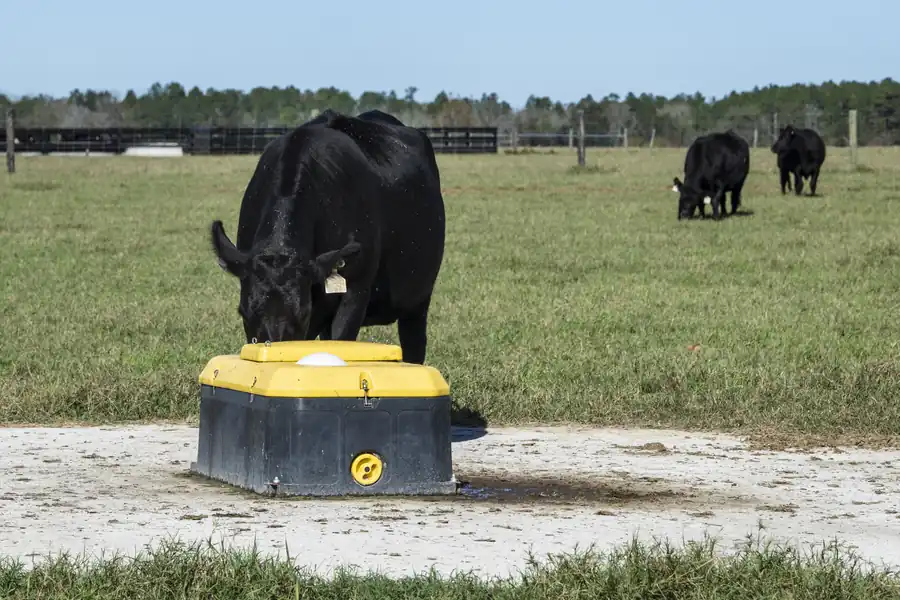
The Department of Justice has broadened its investigation into beef pricing by sending formal letters to eight major grocery retailers, including Walmart, Costco, Kroger, Albertsons, Publix, Aldi, Ahold Delhaize USA, and Amazon. The formal investigative letters were dated July 14, 2026, and the DOJ communicated publicly about them in early September 2026. Associate Attorney General Stanley Woodward emphasized concerns about recent retail beef price increases.
But first, the critical legal point: being investigated doesn’t mean a company has violated antitrust law. Investigations examine whether violations occurred. They’re not accusations.
The investigation now operates on two levels. The earlier scrutiny focused on the major beef processors—Tyson, JBS, Cargill, and National Beef—which together account for approximately 85 percent of U.S. fed-cattle slaughter. Now the government is examining what happens at the retail end, where consumers actually buy meat.
Here’s the supply chain structure that matters: ranchers raise cattle and sell to feedlots. Feedlots grow cattle to market weight and sell to processors. Processors slaughter and package meat, selling to retailers. Retailers set prices consumers pay. The government is requesting information about retail pricing, purchasing costs, margins, and pricing strategies to understand the gap between what processors charge and what retailers charge customers.
The cattle shortage is real. Despite herd inventory falling to its lowest levels since 1951–1952 due to drought-driven liquidation, retail beef prices remained elevated even when wholesale costs fluctuated. That spread between farm-level costs and retail prices drew regulatory attention.
But there are legitimate reasons for the retail margin to be high. Supermarkets have increased labor costs, freight expenses, cold-storage requirements, and operational overhead. Meat departments are expensive to run. The question becomes whether the margins exceed what’s justified by actual costs.
The cattle shortage is real. Drought across the Great Plains reduced herd sizes dramatically. Fewer cattle means reduced supply, which typically drives prices higher. The economic question is whether retail prices reflect this legitimate supply reduction or whether retailers have used the shortage to increase profitability beyond what the farm-to-retail price spread data shows is justified by wholesale costs.
By targeting retailers alongside processors, the government is examining the complete supply chain—not just one tier. Antitrust investigations of this scope require extensive documentation and economic analysis before any conclusions can be reached.