 Govind Tekale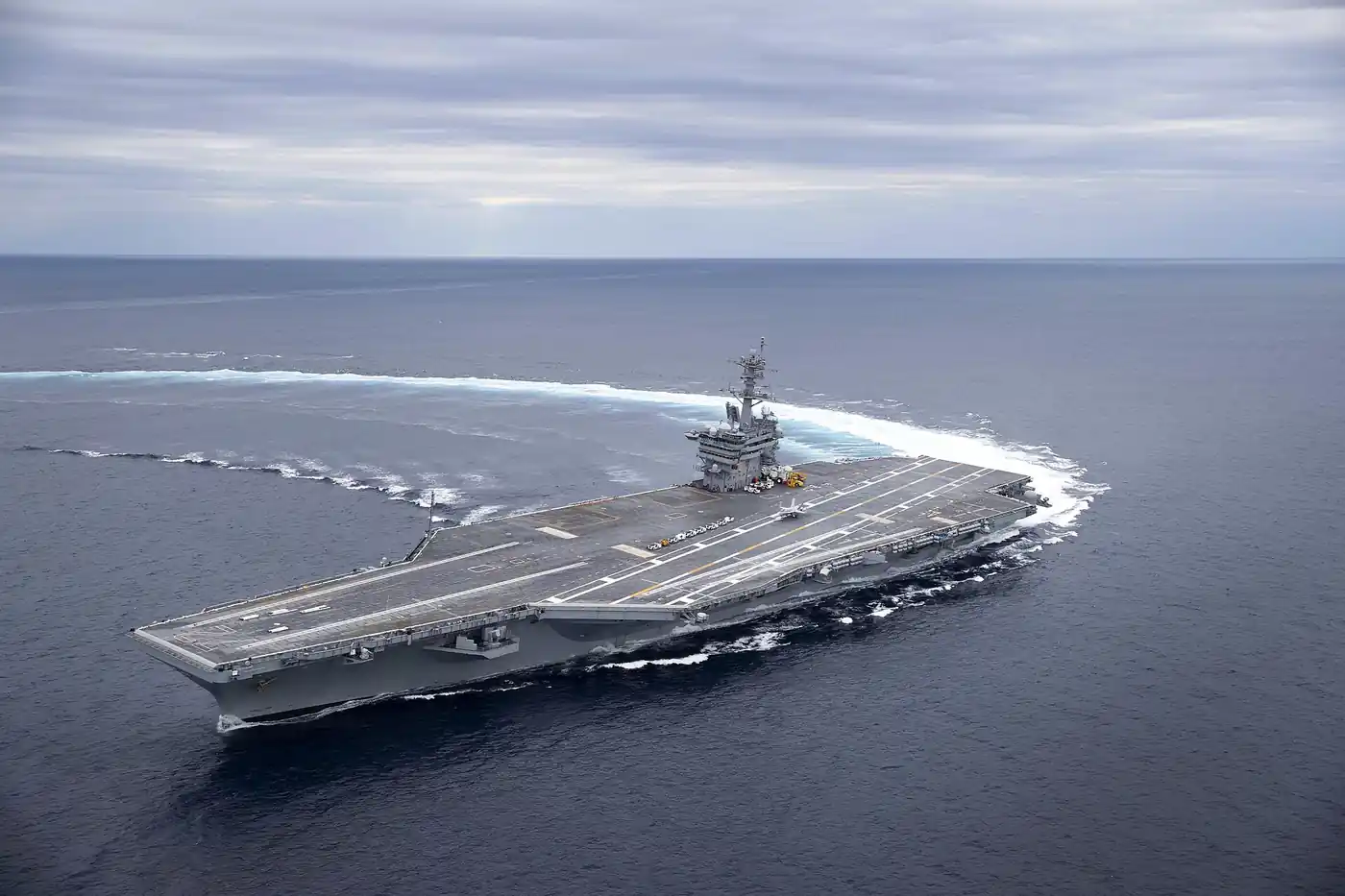
The USS Abraham Lincoln Carrier Strike Group pulled into port in Thailand after more than nine months at sea, marking the vessel's first major port stop of a historic deployment. The strike group arrived at Laem Chabang on September 2, 2026, following an extended deployment that began in November 2025.
The deployment included 286 days at sea before the Thailand port visit. For the first seven months, the strike group operated in the U.S. Central Command area, responding to regional demands and maintaining American naval presence. The group then transitioned to the U.S. 7th Fleet area, which covers operations in the Western Pacific and Indian Ocean regions.
Port visits serve crucial purposes beyond providing sailors and Marines a break from continuous operations. Rear Adm. Robert E. Loughran, who commands the strike group, emphasized that the Thailand stop "gives sailors and Marines an opportunity to rest and recharge."
Captain Dan Keeler, commanding the USS Abraham Lincoln itself, framed the visit as part of building regional relationships. "This is our first port visit of the historic deployment, and it's an opportunity to better understand Thailand," Keeler said.
The USS Abraham Lincoln wasn't the only carrier-strike-group vessel finding respite in Thai waters. The guided-missile destroyers USS Frank E. Petersen Jr. and USS Robert Smalls also visited Laem Chabang during the deployment cycle.
The choice of Thailand carries historical weight. The United States and Thailand maintain the oldest regional defense partnership in the area, dating to the Treaty of Amity and Commerce signed in 1833. That nearly 200-year relationship forms the foundation for continued naval cooperation and port access today.
Sailors and Marines aboard the strike group now get a chance to visit Thailand's ports, resupply their vessels, and perform maintenance that's difficult while underway. For crew members, the port visit breaks months of routine at sea and offers a rare opportunity to step ashore.