 Govind Tekale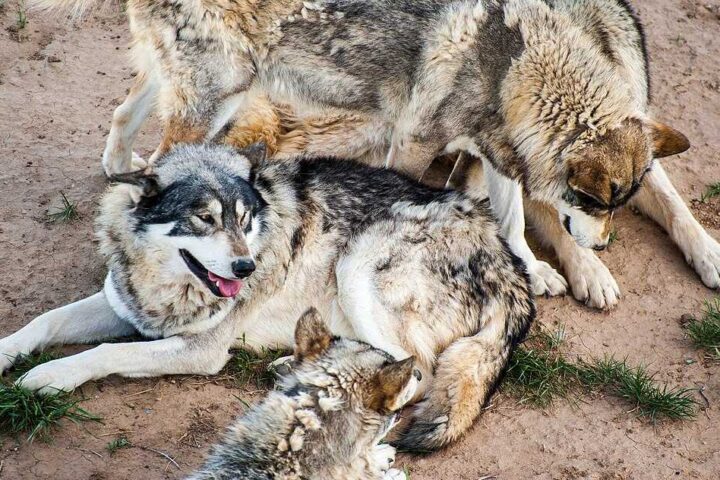
A wolf was reported to follow a visitor in Yellowstone National Park recently, and while the moment looked alarming, no wolf has ever attacked a person in the park’s recorded history. The encounter is a useful reminder of what to actually do if a wolf approaches you — and why the real issue is what happens when wild animals stop being afraid of people.
Has a wolf ever attacked someone in Yellowstone?
No. According to the National Park Service, there is no record of a wolf attacking a human in Yellowstone. Wolves are naturally cautious around people and typically avoid close contact.
How close is too close?
The NPS requires visitors to maintain a distance of at least 100 yards from bears and wolves — that’s about 91 meters, or roughly the length of a football field. That distance rule exists for two reasons: it protects visitors, and it protects the wolves. Wolves that get used to being near humans can become dependent on human food or lose their natural wariness, which creates problems for both people and the animals down the road.
What should you do if a wolf approaches you?
If a wolf gets closer than it should, the National Park Service recommends a few clear steps. Stand as tall as possible. Wave your arms. Yell loudly. If you’re with other people, group together so you look bigger and less like an easy target. If the wolf keeps approaching despite this, bear spray is an effective backup option. NPS explicitly recommends bear spray if a wolf continues approaching.
Why do young wolves follow people?
Wildlife biologists note that younger wolves are sometimes more curious than adults and may approach out of curiosity rather than a hunting instinct. That doesn’t mean it’s safe to let the interaction continue. Even non-aggressive close contact can reinforce wolves’ associations with humans, which is exactly the pattern the park’s distance rules are designed to prevent.
What is habituation, and why does it matter more than the encounter itself?
Habituation happens when wild animals lose their fear of humans, usually because of repeated close contact or access to human food. Habituated wolves can become problems later — for other visitors, for park staff, and ultimately for the wolf itself. NPS has had to kill wolves when aversive conditioning failed, including two wolves in 2009 and 2011 that were likely fed by people. The real story behind any wolf sighting isn’t the drama of the moment. It’s whether visitors follow the rules that keep these animals wild.