 Sonali Tiwary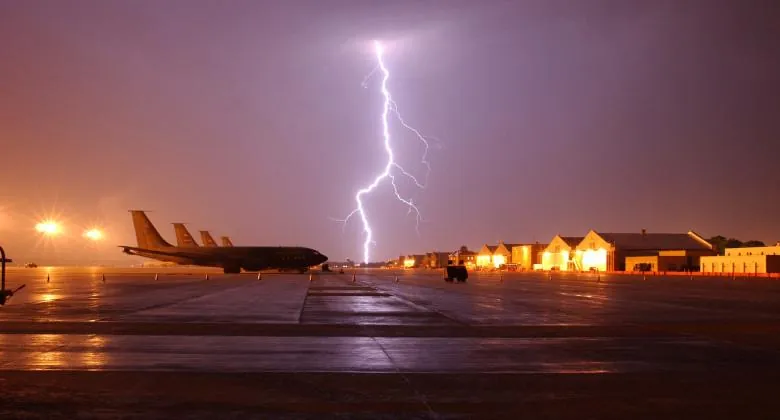
**When Storms Over New York Ground Planes From Multiple Regions**
A passenger sitting at Newark Airport on August 27 might have thought local weather was the only problem. In reality, what started as thunderstorms over New Jersey disrupted flight schedules across multiple U.S. airports.
The mechanics of airline disruption are often invisible to travelers. When severe weather rolls through a major airport hub, the consequences ripple outward for hours. Planes arriving from other cities can’t land. Planes departing get delayed. Crews assigned to flight A can’t make flight B because flight A never arrived. Ground staff works through backlogs that compound across hours.
The late August weather system was significant enough to trigger Ground Delay Programs—which regulate the rate at which flights depart for an affected airport—at major northeastern airports. LaGuardia, Newark, and JFK all experienced significant arrival delays during peak impact.
The National Weather Service issued a severe thunderstorm watch over New York City and surrounding counties on August 27. Later came flood watches and flash-flood warnings. Rainfall rates in some neighborhoods reached two inches per hour. That’s not typical summer rain. That’s the kind of downpour that overwhelms drainage systems and closes roadways.
One specific warning from the National Weather Service projected rainfall of 1.5 to 2 inches per hour, with possible totals of 1 to 2.5 inches. Areas around JFK Airport were specifically included in that warning. Low-lying areas around major airports are particularly vulnerable to flash flooding.
The FAA, tracking the situation, documented that thunderstorms could delay flights at EWR (Newark), JFK, and LGA (LaGuardia), among other regional airports. The agency’s daily operational bulletin specifically cited these airports and included operational restrictions in its recommendations.
A FlightAware snapshot cited on August 27 recorded at least 1,379 U.S. delays and 161 cancellations at that point in the day. At LaGuardia alone, over 360 flights were canceled. Newark reported over 160 cancellations. Those represent thousands of passengers whose plans changed, many with little warning.
What most passengers don’t understand is that airlines can’t simply reroute flights around severe weather. Safety separation requirements and airspace routing limits prevent it. When convective storms block a major airspace corridor, throughput drops dramatically.
What rights do passengers have? Under U.S. Department of Transportation rules, passengers are entitled to a refund when an airline cancels a flight or makes a significant change or delay and the passenger chooses not to travel or accept the alternative offered. Check your airline directly for flight-specific information, as eligibility and procedures vary by carrier and circumstances.
Several airlines issued weather-related travel waivers for affected New York-area airports, permitting travelers to reschedule without change fees.
By August 28, as the weather system moved inland, the bottleneck started clearing. But the residual delays lasted through the day, affecting afternoon and evening departure schedules long after the actual thunderstorms had passed.