Sunita Somvanshi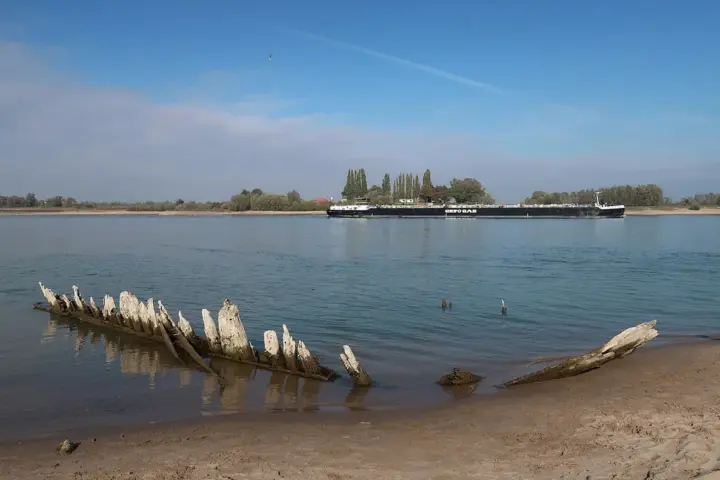
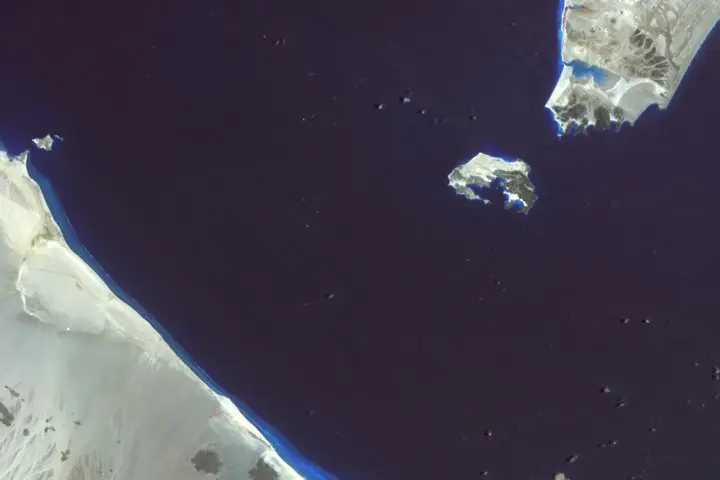
The Strait of Hormuz, one of the world’s most critical maritime chokepoints, remains under severe operational stress despite diplomatic efforts to establish a temporary shipping corridor. August 2026 data reveals significant shipping disruption: only 236 commercial vessels transited the waterway over a 19-day period, compared to normal daily traffic of approximately 130 ships, indicating a notable reduction in typical shipping volumes.
The Strait of Hormuz carries roughly 20 to 21 million barrels of crude oil, condensate, and refined petroleum products each day—approximately 20 percent of global petroleum consumption. Disruption at this chokepoint creates cascading effects across international energy markets, supply chains, and consumer fuel prices worldwide.
Conflict between Iran and U.S.-Israeli military forces, which began in late February 2026, triggered Iranian efforts to assert control over Strait navigation through attacks on commercial shipping. The United States says the waterway remains open for transit under military escort operations. However, Iran’s Revolutionary Guard disputes this characterization, asserting that the Strait remains under Iranian control. These competing claims represent directly conflicting accounts of the waterway’s operational status.
The White House stated that U.S. forces had cleared Iranian mines from international shipping lanes and that approximately 1,500 commercial vessels had transited under U.S. protection, carrying approximately 750 million barrels of crude. Washington also reported that U.S. Central Command had facilitated approximately 900 commercial vessels and 450 million barrels of crude transit since early May. These figures represent claims made by U.S. military and civilian leadership rather than independently verified facts.
The International Energy Agency has warned that global oil stockpiles are being depleted at an unusually rapid rate due to sustained supply disruption. This inventory drawdown is unsustainable long-term, creating pressure on policymakers to restore normal shipping operations. The United Arab Emirates reported that two of its tankers were attacked while transiting the waterway in August.
A significant development emerged in late August when Iran and Oman outlined a proposal to jointly establish a temporary shipping channel through the Strait of Hormuz, following weeks of intensive diplomatic discussions. This initiative follows an earlier memorandum of understanding signed between the United States and Iran on June 17, 2026, in which both countries committed to terminating military operations.
The diplomatic proposal suggests potential pathways toward reducing immediate conflict, though implementation remains uncertain. Even if a temporary corridor is established, the transition from sustained military tension to normal shipping operations typically requires time for confidence-building measures, vessel inspections, and operational protocols.
Energy market data shows broader impacts beyond shipping volumes. Benchmark Brent crude oil and West Texas Intermediate futures fluctuated near $82 per barrel during August as traders assessed both escort logistics and diplomatic statements. Elevated product prices have particularly affected diesel, jet fuel, and liquefied petroleum gas, with downstream consequences for transportation, heating, and industrial sectors.
The U.S. Energy Information Administration forecast assumed continued severe Hormuz constraints through August with gradual flow increases in September. The agency estimated that oil production and trade patterns may not return to pre-conflict levels until early 2027, indicating a protracted recovery period even if diplomatic progress continues. Resolution of the Strait situation requires not only diplomatic agreement but also the practical restoration of commercial confidence that safe passage is assured.