 Rahul Somvanshi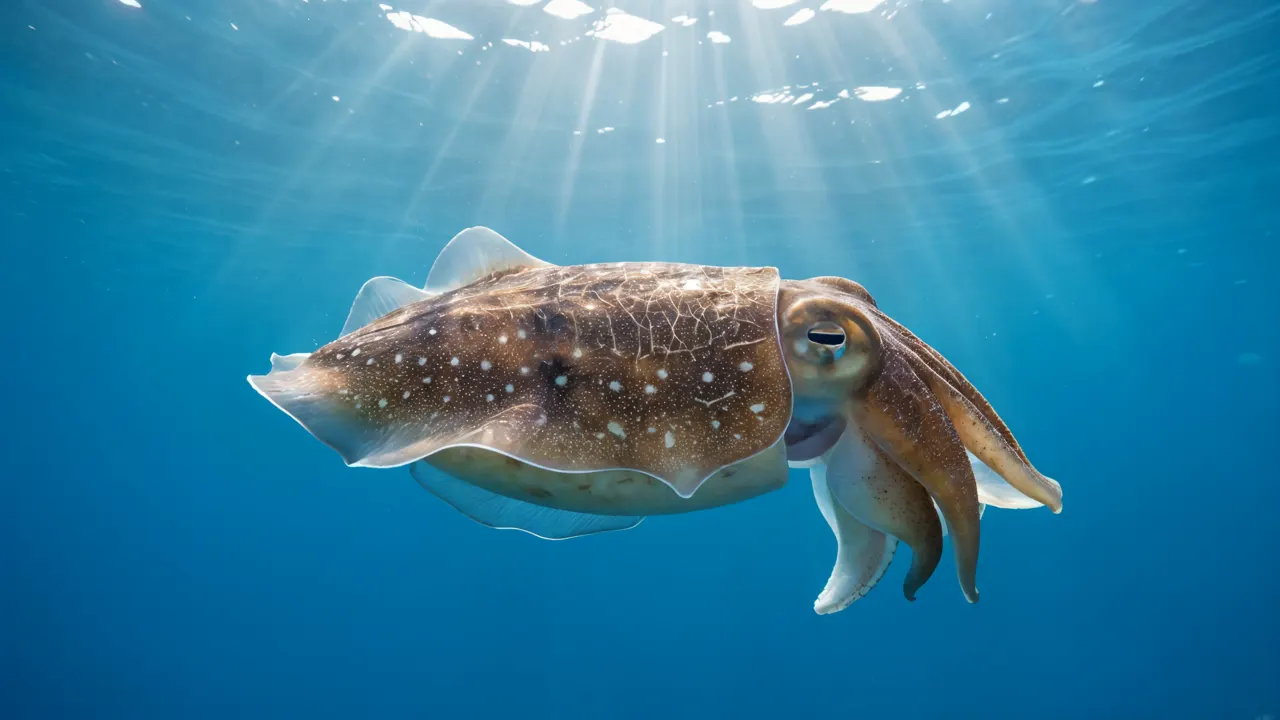
South Australia’s primary industries department says the giant Australian cuttlefish population in the Upper Spencer Gulf has fallen by 97 per cent this year, dropping from about 63,000 animals in 2025 to 1,811. The count is the lowest since 2013 and has raised calls for the species to be listed as endangered.
The annual winter breeding aggregation near Whyalla is the only known mass-breeding event of its kind for the giant Australian cuttlefish (Sepia apama) anywhere in the world. A July dive survey by the not-for-profit Eyrelab found only 44 adults and just 440 eggs along an 8-kilometre stretch where millions of eggs would normally be laid. Tourism and dive operators in Whyalla cancelled their cuttlefish season in June, and the state government introduced temporary restrictions on swimming and snorkelling in July to protect breeding animals.
Researchers at the South Australian Research and Development Institute (SARDI) say the harmful algal bloom is the likely cause. The bloom of Karenia cristata algae, the largest and most destructive in Australia’s history, began in March 2025 and is still present along parts of the coast. It may have killed cuttlefish directly or reduced the food available to them. Algal blooms have also been documented far from Australia, including a toxic bloom in Florida’s Lake Okeechobee, underscoring a widening threat to freshwater and marine systems.
Adult cuttlefish die after spawning, so each year’s population depends almost entirely on that single winter event. The species’ short one-to-two-year life cycle means a poor season can sharply reduce the next generation. SARDI executive director Mike Steer noted that the population recovered after a similar low in 2013, suggesting a bounce-back remains possible if conditions improve.
Conservation groups have asked the federal government to list the Upper Spencer Gulf population under the Environment Protection and Biodiversity Conservation Act. Environment Minister Murray Watt has asked the Threatened Species Scientific Committee to consider the listing urgently. Invertebrates Australia has also applied for the species to be added to the IUCN Red List. A joint state and university research project will track the population through 2028, funded in part by the federal and state governments’ $165 million algal bloom response fund.
Long-term monitoring has recorded wide swings in the aggregation, from about 13,500 animals in 2013 to a peak of 247,000 in 2020. The latest count returns the population to near the low end of that range and leaves the ocean’s most unusual gatherings uncertain.