 Sonali Tiwary
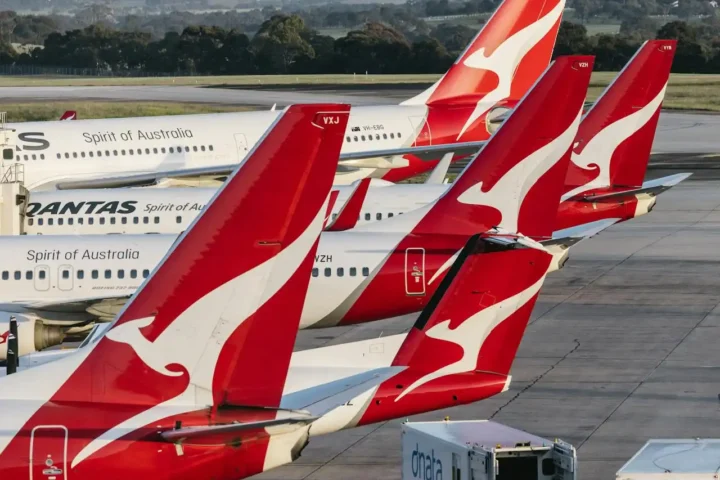
A passenger jet flew for two days and carried hundreds of people after a mechanic’s work light was accidentally left inside of its wing, Australian investigators reported Monday. The Qantas Airways Airbus A380 underwent air-conditioning maintenance on January 7 before flying from Sydney to Dallas Fort Worth International Airport, the Australian Transportation Safety Board said.
It was only after the aircraft returned to Sydney, two days later, that the 13-inch-tall work light was discovered. “The maintainers did not identify that a work light had remained in the left wing during their foreign object clearance inspections,” the ATSB said in the report. “In addition, while returning the tools, the maintainer did not identify that the work light had not been returned and the unreturned tool check at the end of the shift also did not identify the unreturned light.”
A Cascade of Failed Checkpoints
At the start of the work, a maintenance engineer signed out the light, along with other tools, by scanning its bar code, according to investigators. When two workers were changing an air conditioning sensor, they placed the battery-operated light inside the wing and eventually turned it off but forgot to retrieve it. Another engineer inspected the work and later did a foreign object search but did not see the light was left behind, the report said.
After the plane had returned from Dallas, an employee reviewing an “unreturned tool report” discovered it was missing. “They identified that two days earlier, a work light had been signed out against (the plane) and had not been returned,” the report said. The maintenance engineer who checked it out “could not confirm if the work light had been returned and raised the possibility that it remained in the aircraft wing.”
Qantas Response
The light had no impact on the flights, Qantas said, and the incident was voluntarily reported to investigators. “Qantas reported this event to the ATSB and since the event, have strengthened our tool control procedures, including introducing a mandatory…”
The incident highlights a cascade of failed safety checkpoints. Each layer—the foreign object search, the tool return verification, and the shift-end reconciliation—individually failed to catch the oversight. The barcode scanning system was followed at checkout but not at return. Workers assumed shared responsibility for retrieval. The inspector was primed to find small debris, not a 13-inch tool.
The Civil Aviation Safety Authority (CASA), Australia’s equivalent to the FAA, oversees maintenance protocols for all commercial carriers operating from Australian airports. The ATSB investigation does not impose enforcement; rather, it documents the failure and notifies CASA, which may then issue Airworthiness Directives or mandate procedural changes across the industry. No immediate CASA enforcement action has been publicly reported.
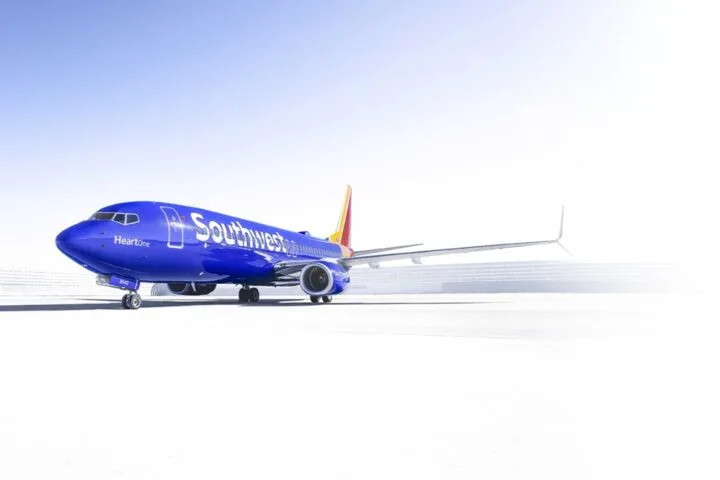
Foreign object debris incidents are not anomalies in aviation maintenance; they are poorly quantified systemic risks. Carriers that outsource maintenance to third parties report higher FOD incident rates than in-house operations. The Qantas case echoes earlier incidents: a 2005 Qantas 747 incident involved a missing tool that went undetected for weeks, and a 2019 Southwest Airlines incident involved a missing maintenance item on a 737.