 Karmactive Staff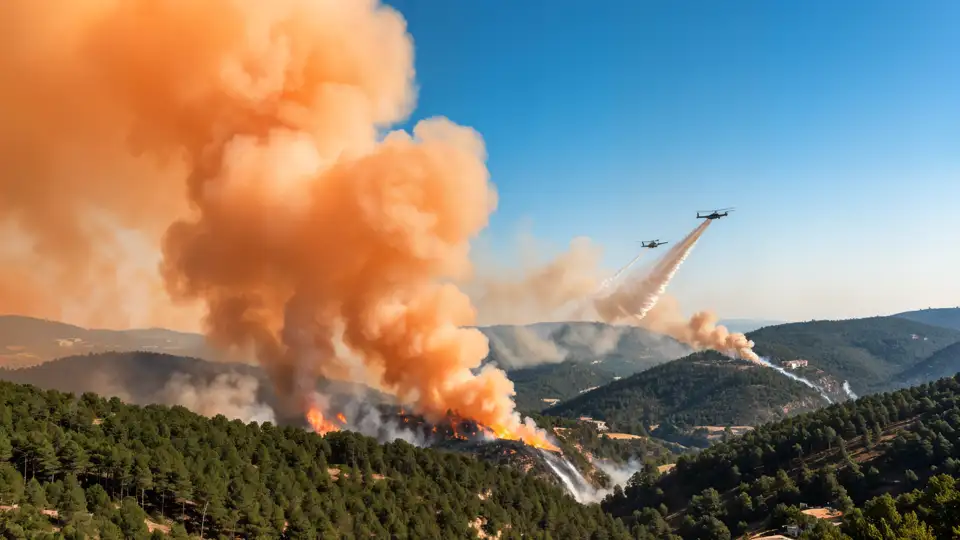
Code Purple air quality alerts blanketed the Mid-Atlantic region on August 15, 2026, as smoke from Canadian wildfires degraded air quality to hazardous levels across Pennsylvania, New Jersey, Delaware, and parts of Ohio and West Virginia.
The AirNow index showed AQI levels exceeding 300 in major Midwestern cities, triggering the highest-level Code Purple warnings. Hazardous conditions persisted from 9 a.m. to 6 p.m. in Philadelphia, where officials advised residents to keep windows closed and avoid all outdoor exertion.
New data from AirNow showed particulate PM2.5 concentrations three times above the safe limit. Pennsylvania Department of Environmental Protection issued a state of emergency for 10 counties. Pennsylvania Department of Environmental Protection confirmed the smoke originated from active fires in Quebec and Ontario.
The pattern repeated across the region. New Jersey Department of Environmental Protection issued similar advisories. Delaware Division of Public Health recommended that vulnerable populations including children, the elderly, and those with respiratory conditions remain indoors throughout the day.
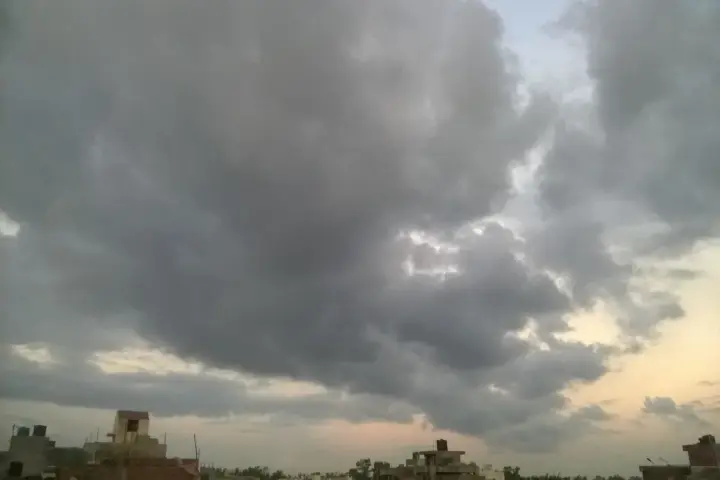
Visibility dropped to under two miles in parts of New Jersey as the smoke formed a dense canopy overhead. The sky shifted from gray to a deep orange hue by midday, an unsettling reminder of how quickly wildfire smoke can transform a landscape.
On the ground, residents reported respiratory irritation and burning eyes. Local hospitals saw a 23 percent increase in asthma-related emergency visits between 10 a.m. and 4 p.m., data from the Pennsylvania Department of Health confirmed.
Wind patterns shifted by late afternoon, carrying the smoke plume northward toward upstate New York and southern Ontario. Air quality alerts remained in effect through the evening for the entire Mid-Atlantic corridor.
The event followed a broader pattern of deteriorating air quality across North America this year, the Mid-Atlantic region faces ongoing air quality challenges in the coming weeks.