 Sunita Somvanshi
Scientists have discovered 1,121 marine species in a single year, marking a historic milestone in ocean exploration. The discovery emerges from 13 global expeditions coordinated since April 2025, spotlighting ecosystems humanity has barely glimpsed and forcing urgent conversations about species conservation before climate change and commercial fishing eliminate species before science documents them.
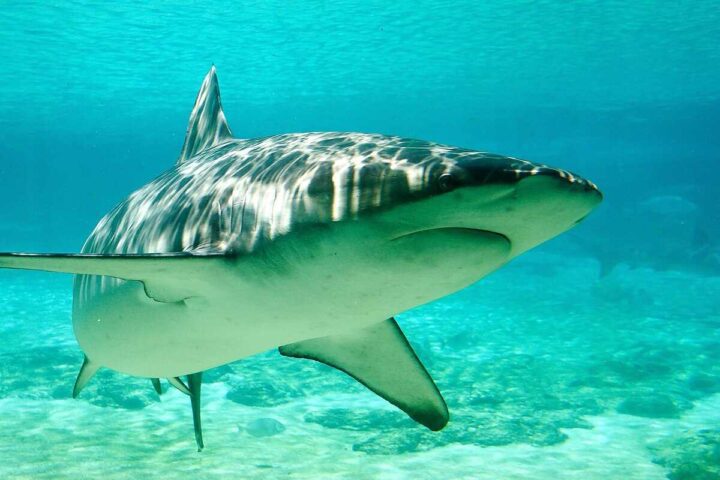
This distant relative of sharks and rays was recovered from the Coral Sea, exemplifying the expedition’s reach into the ocean’s most isolated corners. Its discovery underscores that the ocean’s most extreme environments contain the most specialized life forms.
Among the 1,121 cataloged species is the Mediterranean shrimp Caridion sp. 1, identified by Dr. Hossein Ashrafi during fieldwork near Marseille. This tiny crustacean inhabits a narrow depth range along the Mediterranean’s continental slope. Its discovery highlights the concentrated biodiversity in specific habitat zones worldwide.
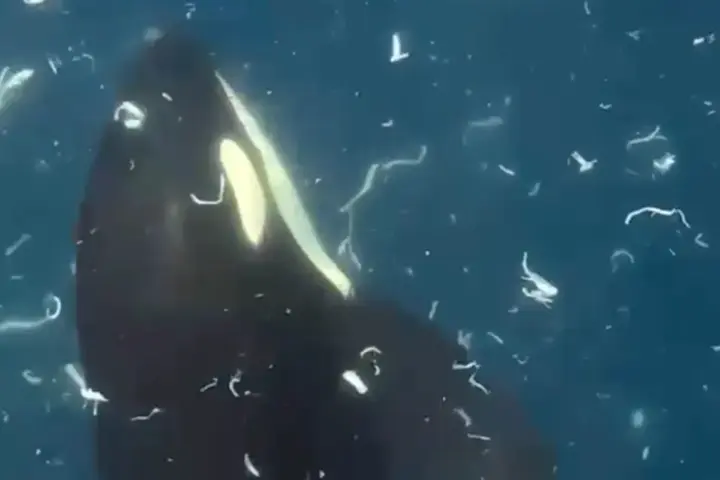
Equally compelling are symbiotic worms documented on volcanic seamounts near Japan. These organisms live in chemosynthetic symbiosis with bacteria that oxidize hydrogen sulfide seeping from hydrothermal vents. Dr. Chong Chen’s JAMSTEC expedition team found these worms thriving in total darkness at extreme temperatures near hydrothermal vents. Such extremophile communities operate entirely outside Earth’s primary energy source—the sun—rewriting the fundamental boundaries of habitability.
“With many species at risk of disappearing before they are even documented, we are in a race against time to understand and protect ocean life,” said Dr. Michelle Taylor, head of science at Ocean Census. Taylor’s statement reflects a data-driven reality: the rate of anthropogenic environmental change now outpaces the speed of biological documentation. For every species scientists formally describe, dozens more face extinction pathways driven by warming waters, acidification, deoxygenation, and habitat destruction.
The numbering itself masks a troubling asymmetry. The vast majority of ocean species remain undocumented, creating a critical knowledge gap for conservation strategy. Governments and conservation organizations cannot prioritize protection for species they do not yet know exist.
The 13 global expeditions executed across four continents targeted specific ecosystem types: deep-sea trenches, coral reef systems, hydrothermal vent fields, and seamount communities. Each environment hosts species assemblages shaped by unique selective pressures. Seamount ecosystems, for instance, experience consistent cold temperatures, high pressure, and low nutrient flux—conditions creating extreme biological specialization. Reef systems present opposing challenges: tropical warmth and high biological productivity, yet constrained space and intense interspecies competition.
Dr. Chong Chen’s JAMSTEC findings from Japan’s deep-sea expeditions documented organisms adapted to chemosynthetic energy pathways. These worms lack functional digestive systems; instead, specialized organs house billions of symbiotic bacteria that harvest energy from hydrogen sulfide. The bacteria gain protected habitat; the worm gains nutrition. Such mutualisms represent evolutionary solutions to environmental extremes that surface ecosystems never encounter.
Why does species documentation matter for ocean policy and marine conservation strategy? Consider the Mediterranean shrimp discoveries. Each new species identified reveals previously unknown ecological roles. Some feed primarily on detritus; others hunt smaller invertebrates. Some tolerate wide depth ranges; others require precise temperature and salinity parameters. Without this baseline knowledge, scientific discovery cannot inform effective marine protected area design or fishing regulation protocols.
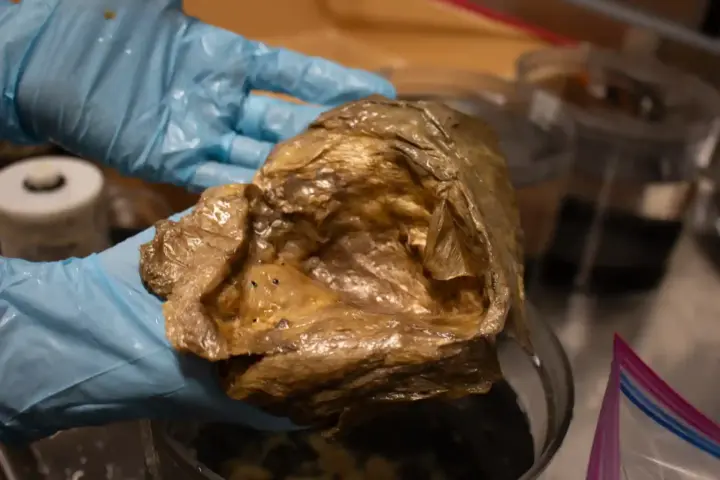
The ghost shark chimaera presents a parallel challenge. Chimaeras occupy understudied ecological niches. They reproduce slowly, with females laying leathery egg cases on the seafloor—a life history strategy that renders populations vulnerable to even modest fishing pressure. Commercial fishing vessels increasingly target deep-sea species as shallow stocks deplete. Without baseline population surveys of recently discovered species, fisheries regulators operate without the data needed to prevent localized extinction.
Oliver Steeds, director of Ocean Census, distilled the economic argument concisely: “It is whether we can afford not to.” Steeds highlights that species harbor undiscovered biochemical pathways. Deep-sea extremophiles produce enzymes operating at pressure and temperature extremes; pharmaceutical companies have already harvested thermophilic enzymes from hydrothermal vent organisms for use in DNA sequencing technology. The ghost shark chimaera, Mediterranean shrimp, and seamount worms may contain genetic resources invaluable to medicine, materials science, or industrial biotechnology—resources permanently lost if extinction precedes documentation and analysis.
Climate change injects additional urgency into the discovery timeline. Ocean warming is accelerating at surface layers, compressing habitable depth zones for cold-water species. Cold-water species like deep-sea chimaeras occupy narrow thermal windows. As water temperatures creep upward, their habitable depth zones compress. Species living in zones near depth boundaries face rapid habitat loss. The Mediterranean shrimp Caridion sp. 1, newly identified and poorly understood, now faces a warming Mediterranean already experiencing significant ecosystem shifts from invasive species influx and commercial fishing.
1,121 new marine species were discovered across these coordinated expeditions, yet this total represents only a fraction of the species awaiting discovery. The backlog of undescribed species grows as environmental pressures accelerate. Deep-sea mining proposals threaten seamount communities before science has documented their biodiversity. Coral reefs bleach and collapse before comprehensive species inventories are completed.
Future research priorities must integrate documentation with protection. The expeditions’ success depended on international collaboration and open-science methodologies. Research teams shared genetic sequencing protocols, taxonomic analysis resources, and publishing platforms. This collaborative model accelerates discovery speed but requires sustained funding and institutional commitment across borders. A parallel open-science effort recently documented 31 new marine species from Brazil’s deep-sea reefs, reinforcing that collaborative taxonomy is scaling worldwide.
The 1,121 discoveries announced this year—from the ghost shark chimaera of the Coral Sea to Dr. Ashrafi’s Mediterranean shrimps to Dr. Chong Chen’s seamount worms—represent both scientific triumph and sobering recognition of urgency. For every species cataloged, dozens remain unknown. For every species secured within protected waters, hundreds face extinction pathways already set in motion. The race to understand and protect ocean biodiversity has only begun, and the clock runs faster with each passing year.