 Sunita Somvanshi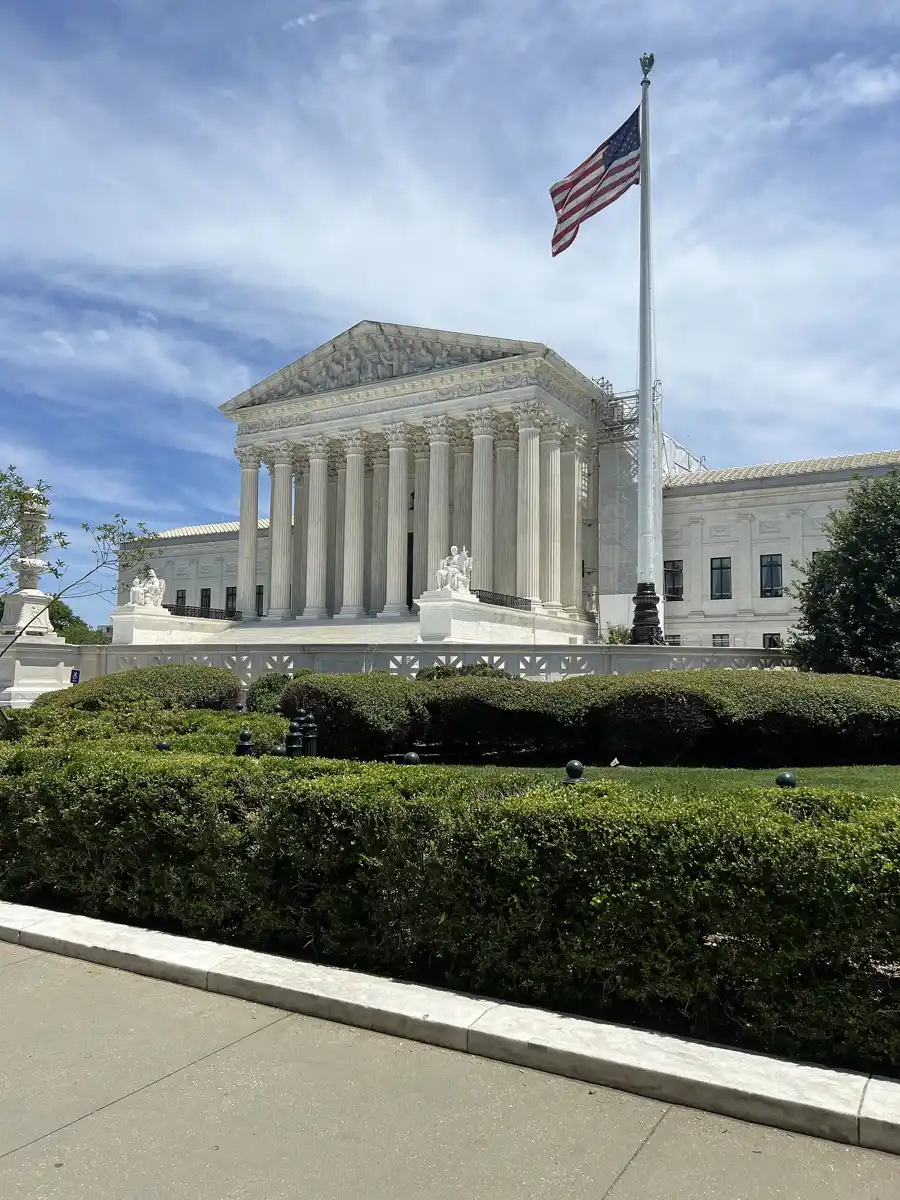
Estimated reading time: 3 minutes
On 20 February 2026 the Supreme Court struck down the tariffs President Donald Trump had imposed by executive order under the International Emergency Economic Powers Act, ruling 6-3 in Learning Resources, Inc. v. Trump that they exceeded the powers Congress granted him. Six months on, Amazon and other large importers are disclosing what they have got back — and the obvious question for shoppers is whether any of it reaches them.
One point is routinely misreported and worth stating plainly: the Supreme Court did not order anyone to be refunded. As the Congressional Research Service sets out, the justices ruled only that the tariffs were unlawful and expressly declined to decide whether or how importers should be repaid. Refund claims are being worked through the Court of International Trade and Customs and Border Protection instead. In dissent, Justice Brett Kavanaugh warned the government “may be required to refund billions of dollars to importers who paid the IEEPA tariffs, even though some importers may have already passed on costs to consumers or others.” Duties collected under IEEPA were estimated at more than $200 billion by the end of 2025.
Amazon’s chief financial officer Brian Olsavsky told analysts on the company’s second-quarter earnings call that it had received about $600 million in tariff refunds and is participating in the refund process. The company stated it will return some of this money to customers but only for limited circumstances where it can specifically prove it charged customers the tariff costs. Here’s the catch: Amazon said it “largely absorbed” most tariff costs itself by buying inventory in advance and positioning supplies strategically. That’s why its refund is smaller than competitors might expect.
Other major retailers like Walmart, Costco, Home Depot, and General Motors also applied for refunds. But not all companies have done so. In April, Trump made a notable statement: he’d “remember” companies that didn’t seek refunds. The implication was clear—companies avoiding the refund process risked political consequences. This created pressure in the business community.
The refund process itself remains unclear for consumers. There’s no centralized system where individuals can check eligibility. Companies must identify specific purchases where they passed tariff charges to customers, then issue refunds to those buyers. Amazon’s approach illustrates the problem: “We’ve identified a limited set of circumstances where we can trace that we’ve passed specific import charges onto customers,” the company said.
Here is the practical reality: if you bought imported goods while the IEEPA duties were in force, you might in principle be owed something. But determining your eligibility requires the company to have tracked exactly how much tariff cost they charged you. Most companies didn’t track this level of detail.
The timeline for getting refunds remains vague. Amazon said it would “proactively contact affected customers” and issue refunds, but gave no specific date. Other retailers have been similarly quiet on timing.
The bigger picture matters here. This refund process exposes how tariffs actually work: They create costs throughout the supply chain, companies absorb some, and consumers sometimes pay the rest. The Supreme Court’s decision recognized this burden and required repayment. But getting that repayment back to consumers has proven complicated.
If you believe you’re owed money, keep records of major imported purchases made while the duties applied, and follow each retailer’s own claims instructions when it publishes them. There is no central government portal for consumers.