Sunita Somvanshi
Estimated reading time: 2 minutes
India’s Pradhan Mantri Kisan Samman Nidhi (PM-Kisan) scheme, providing direct income support to agricultural households, expanded its beneficiary base and benefit levels targeting livelihood improvement for marginal farming communities increasingly pressured by input cost inflation and commodity price volatility.
The scheme provides ₹6,000 annually per household (₹2,000 per four-month installment) to landholding agricultural families. Expansion proposals targeted approximately 80-85 million households, encompassing approximately 50-55 percent of India’s ~150 million agricultural households. Previous expansion phases progressively included marginal landholding categories historically excluded from subsidy programs.
Beneficiary identification employed land records cross-referenced with income documentation, attempting to target genuinely small-holding agricultural families while excluding non-farmer beneficiaries. Database integration with state revenue departments identified landholding patterns, though significant administrative delays persisted in incorporating recent landholding changes into centralized records.
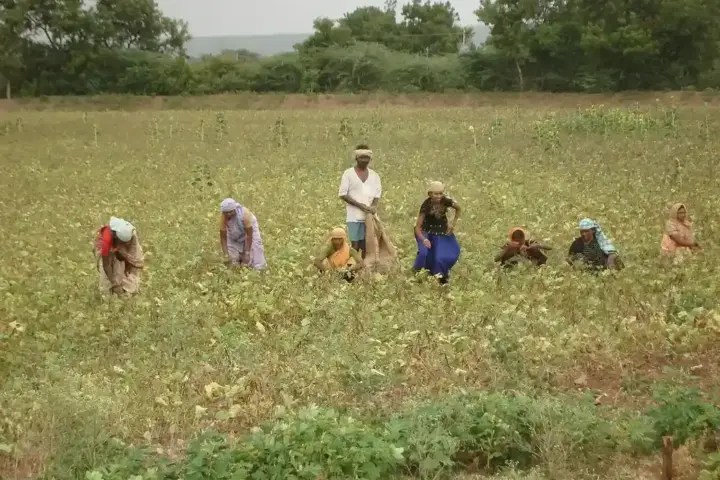
The scheme’s expansion rationale emphasized agricultural distress in marginal farming communities where operational landholdings remain insufficient for generating adequate household income. PM-Kisan support provides supplementary income enabling continued farming engagement rather than forced migration or agricultural abandonment.
Implementation mechanisms involved direct bank transfer depositing subsidies into beneficiary accounts, reducing transaction costs and intermediary corruption compared to historical cash disbursement systems. Digital payment infrastructure expanded into remote rural areas, though technical glitches and connectivity issues occasionally delayed payment processing in isolated regions.
Fiscal implications of scheme expansion reached approximately ₹90,000-100,000 crore annually once fully implemented, constituting one of India’s largest budgetary expenditures. Critics questioned whether subsidy levels adequately addressed agricultural livelihood challenges or merely provided insufficient tokenism masking deeper agricultural structural challenges.
Subsidy amount inadequacy surfaced in discussions given rising input costs. Fertilizer prices increased 40-50 percent during 2022-2024, while PM-Kisan stipends remained fixed. Farmers argued that subsidy levels failed to match cost escalations, limiting purchasing power for agricultural inputs or household necessities.
Parallel initiatives complemented PM-Kisan including crop insurance programs, agricultural credit at subsidized rates, and minimum support prices guaranteeing purchase of specific commodities. These programs attempted to construct comprehensive agricultural support framework reducing farmer vulnerability to commodity market volatility and input cost shocks.
Long-term sustainability questions emerged regarding budgetary capacity to maintain subsidy expenditures amid competing infrastructure and social welfare demands. Some economists advocated for agricultural productivity enhancement and market efficiency improvements as alternatives to perpetual subsidy dependence.
The PM-Kisan expansion represented political commitment to agricultural welfare despite fiscal pressures and economic arguments questioning subsidy efficacy. Scheme continuation reflected acknowledgment that agricultural household income inadequacy required intervention even as debates persisted regarding optimal mechanisms for livelihood support.
—