 Govind Tekale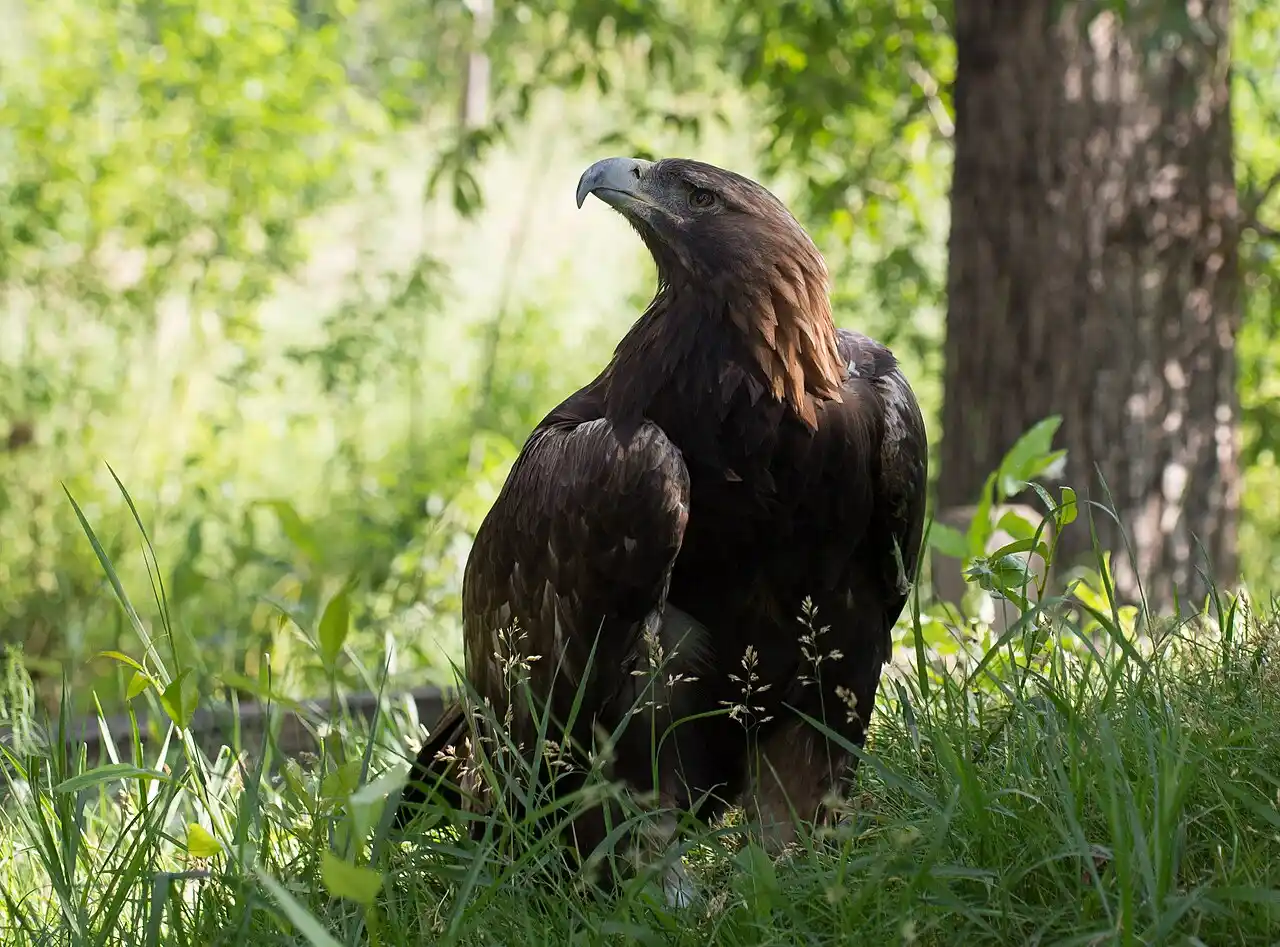
TAGS: Golden Eagles, Species Reintroduction, Conservation UK, Apex Predators, Biodiversity
—
The United Kingdom government announced in April 2026 that it would allocate £1 million in funding to support the reintroduction of golden eagles to England, marking a historic step toward restoring a species driven to extinction more than 150 years ago. Environment Secretary Emma Reynolds emphasized the ecological importance of species reintroduction and the government’s commitment to biodiversity restoration.
The last golden eagle resident to England died in the Lake District in 2015, though the species had been essentially absent from England for well over a century before that. Golden eagles, which once ranged throughout Britain, were systematically eliminated through persecution during the 19th century. Gamekeepers and landowners, viewing eagles as threats to grouse populations and lamb flocks, shot them on sight. By the late 1800s, golden eagles existed in the UK only in Scotland, where remote terrain provided some refuge.
Scotland’s golden eagle population has recovered modestly from near-extinction through protected status and intensive management. The South of Scotland Golden Eagle Project, initiated 3-4 years ago (around 2022-2023), established a small population of reintroduced eagles in southern Scotland. The project grew from initial 3-4 pairs to over 50 individual eagles by 2026, a remarkable success that demonstrated reintroduction viability. Satellite tracking data revealed that young eagles from Scottish reintroduction sites have migrated northward into England and southern Scotland, effectively establishing themselves beyond protected release zones.
Forestry England, a government agency managing public forests, conducted a feasibility study examining golden eagle reintroduction potential in England. The study identified eight recovery zones across northern England where environmental conditions, habitat, and prey populations support eagle survival. The zones span diverse terrain including the Lake District, Yorkshire Dales, Pennines, and other upland areas providing the rugged habitat golden eagles prefer.
Reintroduction could begin as early as 2027, with plans to release 6-8-week-old eagles captured in Scotland. The young eagles would be monitored via satellite tracking throughout their lives, providing data on survival, habitat use, breeding success, and dispersal patterns. Recovery programs anticipate 10+ years before self-sustaining breeding populations become established.
However, species reintroduction in the UK faces significant opposition from farming and rural communities. In February 2026, organizers convened a meeting where over 70 farmers expressed concerns about potential livestock predation. Golden eagles, particularly immature birds learning to hunt, may kill young lambs and other livestock. Farmers worry that reintroduction could increase predation losses and generate liability questions—who pays for livestock lost to reintroduced predators?
The government has committed to establishing legally binding targets for eagle reintroduction success, with objectives for 2030 and 2042. These targets specify minimum population sizes and breeding pairs that must be achieved for the program to be considered successful. The approach follows precedent from apex predator reintroduction, including beaver reintroduction efforts in the UK that faced similar rural opposition but proceeded with government support and compensation programs.
Beaver reintroduction, initiated cautiously in several English rivers, has been surprisingly successful from conservation perspectives but has also generated conflicts with farmers and riparian landowners over dam-building impacts. Golden eagle reintroduction will likely follow a similar trajectory—ecological success coupled with rural community management challenges.
The £1 million funding is part of a broader £60 million species recovery funding initiative announced by the UK government, demonstrating substantial commitment to environmental restoration. Golden eagles, once extinct in England, represent a flagship species for biodiversity recovery and ecosystem restoration at landscape scales.
—
END OF COMPLETE ARTICLES WITH EMBEDDED LINKS