 Tejal Somvanshi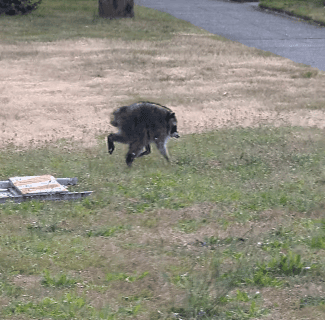
A uniquely shaped Seattle raccoon named Jimothy captured the internet’s heart after a video of him roaming the streets of the Ballard neighbourhood went viral on July 14, 2026. The footage, filmed by 33-year-old marketing specialist Kiana Hall, accumulated more than 7 million views within days. What sets Jimothy apart from a typical raccoon is an unusually short neck and compact, rounded body — an appearance researchers believe stems from a congenital condition called short-spine syndrome.
Kiana Hall told TODAY.com she was delighted that the world had embraced the little animal. Social media users quickly rallied around Jimothy, sharing digital illustrations and fan artwork with captions like “In Jimothy we trust” and “Protect him at all costs.” The raccoon’s image spread rapidly across platforms, spawning dedicated fan communities, memes, and merchandise collections within the first week of viral exposure.
Jimothy’s fame extended beyond social media into real-world events. He made an appearance — represented by a person in a raccoon costume — during a Seattle Mariners game, participating in the team’s iconic 7th-inning “Salmon Run” race. Jimothy won the race. The Mariners also won their game 4-3 in a comeback victory, cementing the raccoon’s status as a local good-luck symbol in addition to a global viral sensation.
Behavioural scientists took note of the public’s enthusiastic response. Raccoons are known to be highly intelligent animals with sophisticated problem-solving abilities — but Jimothy’s appeal centred less on behaviour and more on his distinctive appearance, which resonated with viewers who celebrated rather than othered his unusual physical form. The viral phenomenon sparked conversations about diversity, difference, and acceptance in animals and society alike.
Animal welfare advocates used the moment to highlight proper care standards for urban wildlife, including guidance on how to co-exist with raccoons safely in city environments. Jimothy lives as a wild raccoon in his Seattle neighbourhood, and advocates cautioned against attempts to interact with or feed him, emphasising that his wellbeing depends on remaining wild.
Entertainment companies approached Jimothy’s story for potential documentary development. Local Seattle tourism saw a small uptick in visitors to the Ballard neighbourhood hoping to catch a glimpse of the internet’s favourite raccoon. His handlers and observers committed to directing some of the commercial attention his fame generated toward wildlife rehabilitation and conservation causes.