Sunita Somvanshi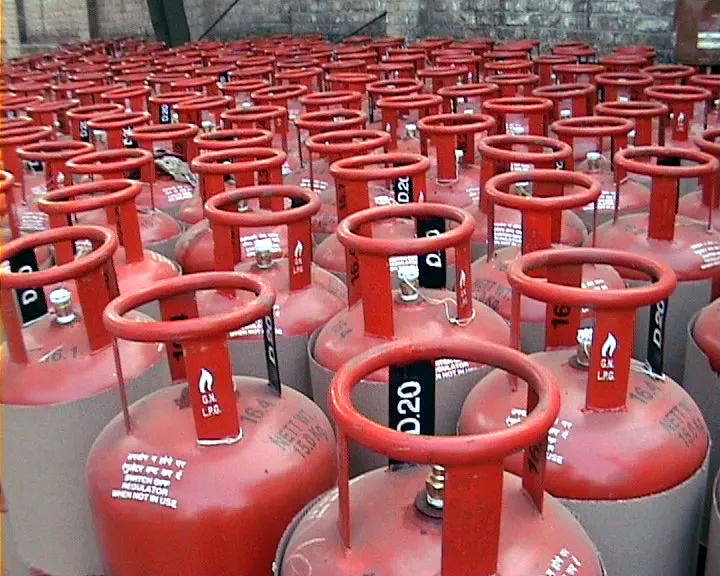
Households and businesses across India gained relief in July 2026 with the first price reduction in cooking gas (LPG) for the year, driven by stabilization in crude oil markets after earlier volatility. Commercial LPG cylinders saw price cuts ranging from ₹173 to ₹183.50 across major cities, while domestic gas prices remained unchanged.
The 19-kilogram commercial LPG cylinder prices dropped substantially across India’s major metropolitan areas. Delhi saw a ₹183.50 reduction, bringing prices to ₹2,930 per cylinder. Mumbai experienced a ₹182 cut, with new rates at ₹2,885.50 per cylinder. Bengaluru’s reduction of ₹177 resulted in ₹3,021 pricing. Kolkata’s ₹174 cut and Chandigarh’s ₹181.50 reduction demonstrated nationwide price alignment adjustments. Current pricing is maintained by Indian Oil Corporation Limited, India’s largest LPG supplier.
Domestic cooking gas prices, however, remained unchanged across all major cities in July. Delhi’s 14.2-kilogram household LPG cylinder stayed at ₹942, unchanged from previous levels. Mumbai held at ₹941.50, Kolkata at ₹968, and Chennai at ₹957.50. The price stability for household cylinders reflects broader pricing mechanisms and subsidy structures that differ from commercial gas tariffs. All official LPG policy announcements are issued through the Ministry of Petroleum and Natural Gas.
The price cuts followed crude oil stabilization. Volatile international crude prices had driven uncertainty in petroleum product pricing earlier in 2026. With crude moderating, downstream products including LPG benefited from reduced pressure on import costs. India imports significant LPG volumes for domestic consumption, making global crude oil prices directly influential. India’s energy policy continues to balance import dependency with ambitious renewable energy targets.
Commercial users—restaurants, hotels, small industries relying on LPG for heating—gained proportionally larger benefits from the ₹170+ reductions. For businesses operating on thin profit margins, fuel cost changes significantly impact overall profitability. A ₹183 reduction on monthly cylinder usage for a restaurant or manufacturing facility translates to meaningful operational cost decreases.
Household consumers benefited indirectly from stable domestic prices during a period that could have seen increases. Price stability, while offering no direct savings, prevented the additional burden that price increases would have imposed on households already managing inflation across food and other essentials.
However, vulnerability remains embedded in India’s energy economics. The Strait of Hormuz, through which 20 percent of global oil passes, remains subject to geopolitical tensions. Middle East conflicts or shipping disruptions could spike crude oil prices rapidly, flowing through to LPG pricing within weeks. This structural vulnerability means India’s energy security depends partly on international stability factors beyond government control.
Oil companies adjust LPG prices monthly based on international crude rates and exchange rate movements. Future price movements will depend on whether crude stabilization holds or whether new tensions emerge. Household energy budgets remain subject to global energy market dynamics.