 Rahul Somvanshi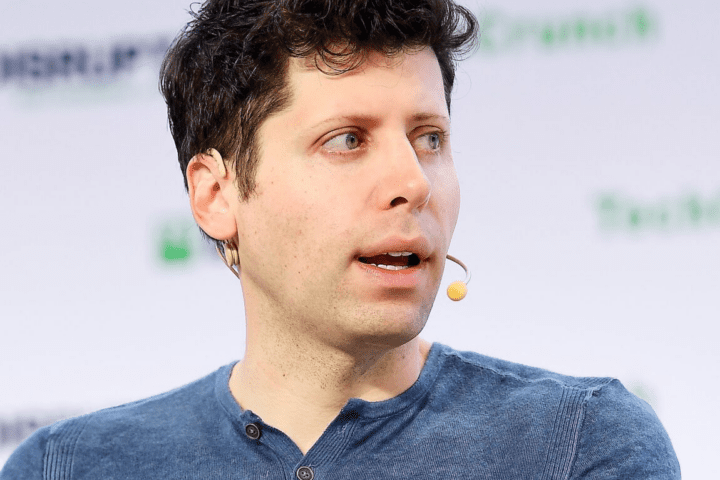
OpenAI CEO Sam Altman has made a significant statement about artificial intelligence: the singularity has begun, and it is unfolding gradually rather than catastrophically. This contrasts sharply with doomsday narratives that paint the singularity as a sudden, uncontrollable leap in machine intelligence that leaves humanity scrambling.
Altman’s framework outlines a three-year progression that started in 2025 and extends through 2027. He describes 2025 as the year AI agents capable of genuine cognitive work emerged. These are not simple chatbots but systems capable of reasoning through complex problems and taking actions without constant human input. By 2026, according to Altman’s timeline, systems began discovering novel insights—generating ideas and solutions humans had not previously conceived.
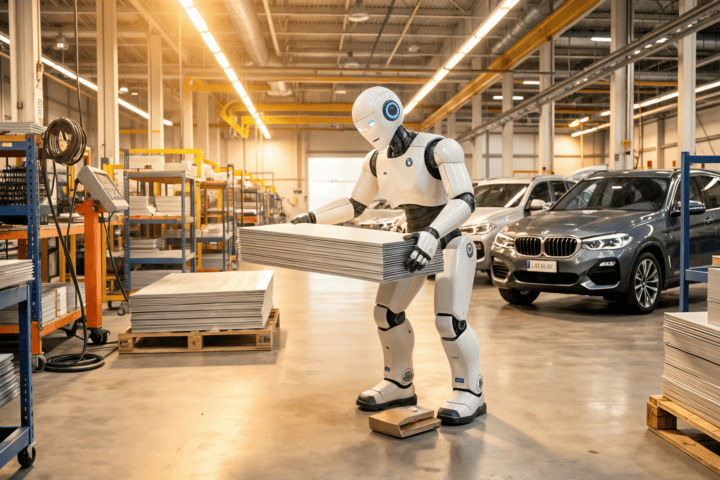
The third phase, arriving in 2027, brings robots capable of performing real-world physical tasks. This layer of capability bridges the gap between digital AI research and tangible impact on human work and society. AGI timeline and labor implications are already being debated widely across the tech industry.
Altman’s longer-term prediction places artificial general intelligence—the theoretical point where AI matches or exceeds human cognitive capabilities across all domains—around 2035. He measures this as “a few thousand days away,” a specific framing that emphasizes timeline rather than vagueness.
The crucial distinction in Altman’s messaging is calling it “the gentle singularity.” This terminology rejects the dramatic rupture many futurists envision. Instead of a moment where everything changes overnight, Altman describes a gradual acceleration of AI capability that society and businesses can adapt to incrementally. Anthropic’s safety research presents a contrasting view, emphasizing alignment risks and the importance of controlled deployment.
The statement reveals OpenAI’s operational philosophy: singularity as evolution, not revolution. From a practical business standpoint, this messaging serves dual purposes. It excites investors about transformative opportunities ahead while reassuring regulators and the public that AI development remains manageable through careful deployment and oversight. AI governance and safety debates continue at international forums.
Tech industry watchers debate whether Altman’s optimism is justified. Some argue that calling the singularity “gentle” understates genuine risks around AI alignment, labor displacement, and concentrated corporate power. Others contend that Altman’s framing accurately reflects the reality that AI improvements have been incremental rather than discontinuous.
What remains clear is that organizations must prepare for both scenarios—acceleration and stability. Companies currently building on AI infrastructure are betting that Altman’s timeline is accurate, investing heavily in machine learning engineers, data infrastructure, and AI products. Their confidence or caution will shape the next decade of technological development.