Karmactive Team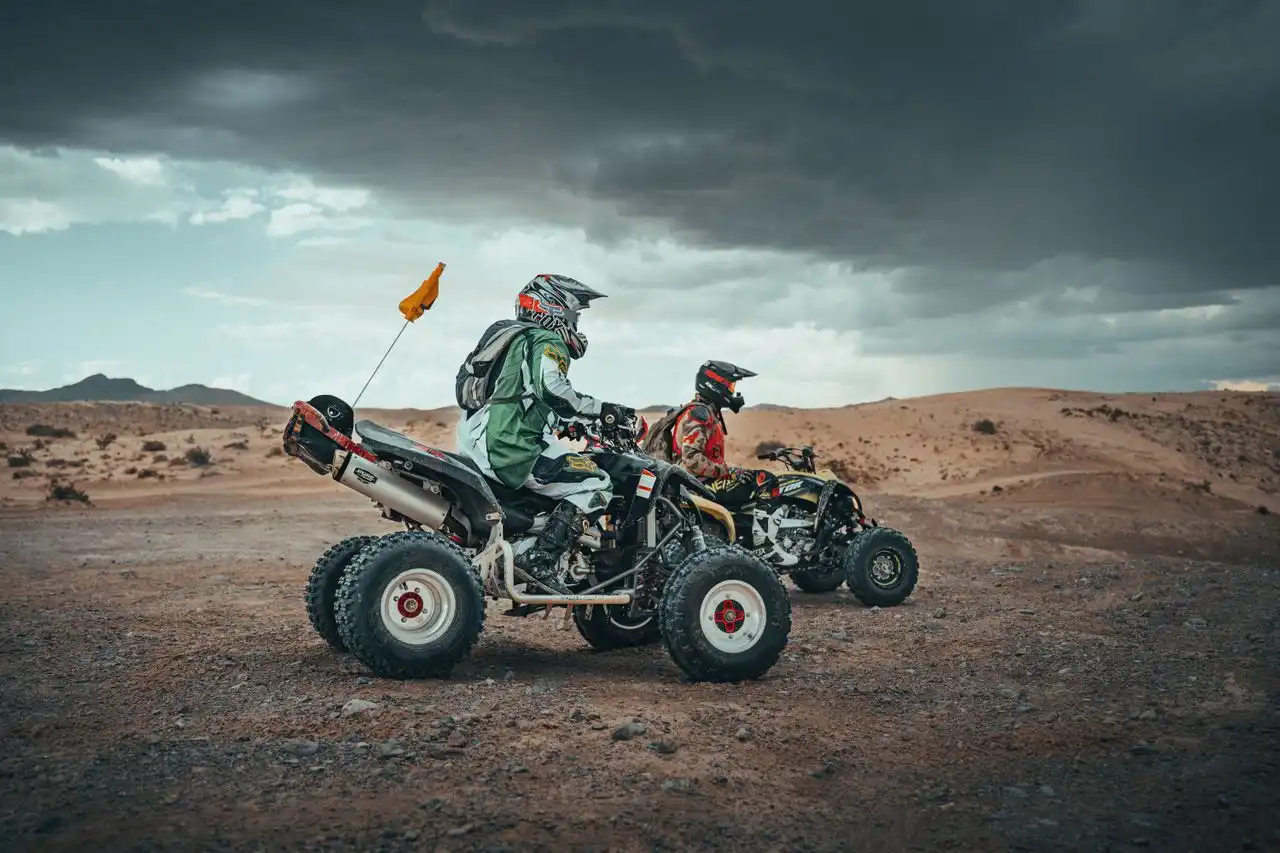
A desert ride outside Las Vegas can be the highlight of a trip, or it can become an expensive disappointment that feels rushed, unsafe, and poorly planned. Much of the experience depends on what you check before booking.
Many travelers begin by comparing ATV tours based primarily on price, especially when paying for several riders. But the cheapest option is not always the best value, and the most expensive option is not automatically the most memorable. Look at what the price includes, where the ride takes place, how the company handles safety, and whether the experience fits your group.
If you are planning ATV riding Las Vegas, a few practical questions can help you avoid paying for the wrong kind of tour.
Match the Ride to Your Group, Not Just Your Budget
The right ATV experience for a bachelor party may not fit a family with first-time riders. A couple visiting in March may want a scenic desert route with photo stops, while experienced riders may care more about terrain variety and speed.
Before booking, ask who the ride needs to serve.
Beginners need clear instruction, a manageable route, and guides who do not rush nervous riders. Experienced riders may want more open terrain, longer riding time, and fewer stops. If your group has mixed skill levels, ask how the operator keeps everyone together without boring confident riders or pressuring new ones.
The costly mistake is choosing a ride that looks exciting online but does not match the people going. That can lead to unused reservations, frustrated guests, or someone sitting out after realizing the tour is more intense than expected.
Look Beyond the Advertised Price
A low headline price can lose its appeal once you calculate the full cost. Some tours charge separately for transportation, protective gear, insurance options, fuel fees, park access, photos, or passenger upgrades. Others have strict cancellation windows that make rescheduling expensive.
Before paying, confirm:
- How long the total experience lasts
- How much time is actual riding time
- Whether pickup from the Strip is included
- What safety gear is provided
- Whether taxes, fees, or gratuities are added later
- What happens if weather affects the tour
- Whether damage deposits or waivers are required
Actual riding time matters most. A “three-hour adventure” may include transportation, check-in, training, staging, and waiting. That does not make it a bad tour, but you should know what you are buying. If one company offers 45 minutes of riding and another offers 90 minutes, the cheaper price may not be the better value.
Pay Attention to Location and Terrain
Las Vegas is surrounded by striking desert landscapes, but not every route delivers the same experience. Some tours stay near staging areas on flatter, controlled paths. Others offer wider views, rugged washes, hills, or scenic backdrops that feel far from the Strip.
Location affects more than scenery. It can change travel time, dust, weather exposure, comfort, and how much of the day the activity consumes. A longer drive may be worth it for better terrain, but not if your group has dinner reservations or limited time before a flight.
Season also matters. Summer heat can be intense, especially midday. Morning rides are often more comfortable during warmer months. In cooler months, midday rides may feel better, though wind can make exposed desert areas colder than expected. In some cases, paying a little more for the right time slot can be smarter than saving money on a ride that leaves everyone overheated.
Safety Standards Are Part of the Value
A responsible ATV operator should make safety feel routine, not optional. That starts with helmets, goggles, clear instructions, and guides who explain how the machines handle before anyone leaves the staging area.
Be cautious if an operator is vague about safety procedures or pushes riders to move faster than they want. Desert riding has real risks, including rollovers, collisions, dehydration, dust exposure, and uneven terrain. A good guide reduces those risks by setting expectations early and watching the group throughout the ride.
This matters even more for business outings, family trips, and group events where one bad incident can affect everyone’s schedule. An accident can lead to medical expenses, disrupted travel plans, or equipment damage fees that are far more expensive than choosing a better-run tour upfront.
Check the Cancellation and Weather Policy
Las Vegas trips often run on tight schedules. Flights change, conventions run long, and group members cancel. That makes the booking policy more important than many travelers realize.
Read the cancellation terms before you reserve. Look for how much notice is required, whether refunds or credits are offered, and how the company handles unsafe weather. High winds, extreme heat, flash flood risk, or poor visibility can affect desert ride conditions.
A flexible policy can save real money if your plans are not locked in. For groups, appoint one person to confirm the final headcount before the cancellation deadline. Paying for riders who never show up is one of the easiest ways to waste money.
Watch for Signs of a Rushed or Generic Tour
Not every disappointing ATV ride is unsafe. Some are simply underwhelming. The machines may be fine, but the experience feels like a crowded conveyor belt: quick check-in, short loop, limited guide interaction, and little sense of place.
Look for signs that the company has thought through the guest experience. Do they explain the terrain? Do they tell you what to wear? Do they answer questions clearly? Do reviews mention actual riding time, guide quality, scenery, and organization?
A strong tour should feel structured without feeling sterile. Riders should know where they are going, what to expect, and how to stay comfortable. Small details like cold water, clean gear, organized pickup, and guides who know the area can turn a basic ride into a worthwhile desert experience.
Spend Where It Protects the Experience
The goal is not to buy the most expensive ride. The goal is to avoid paying for the wrong one.
Spend more when it gives you safer equipment, better guide attention, clearer policies, more actual riding time, or a route that fits your group. Save money by avoiding unnecessary upgrades, choosing the right time slot, confirming transportation details, and booking only for riders who are committed.
A Las Vegas ATV tour should give you more than engine noise and dust. With the right questions, you can choose an experience that fits your schedule, protects your group, and feels worth the money after the helmets come off.