The Pacific Is Warming Again — And This Time, the Whole Planet Feels It
Ocean temperatures are rising, winds are shifting, and a potentially strong El Niño may form by mid-2026. Here is what the data says, and what it means for your region.
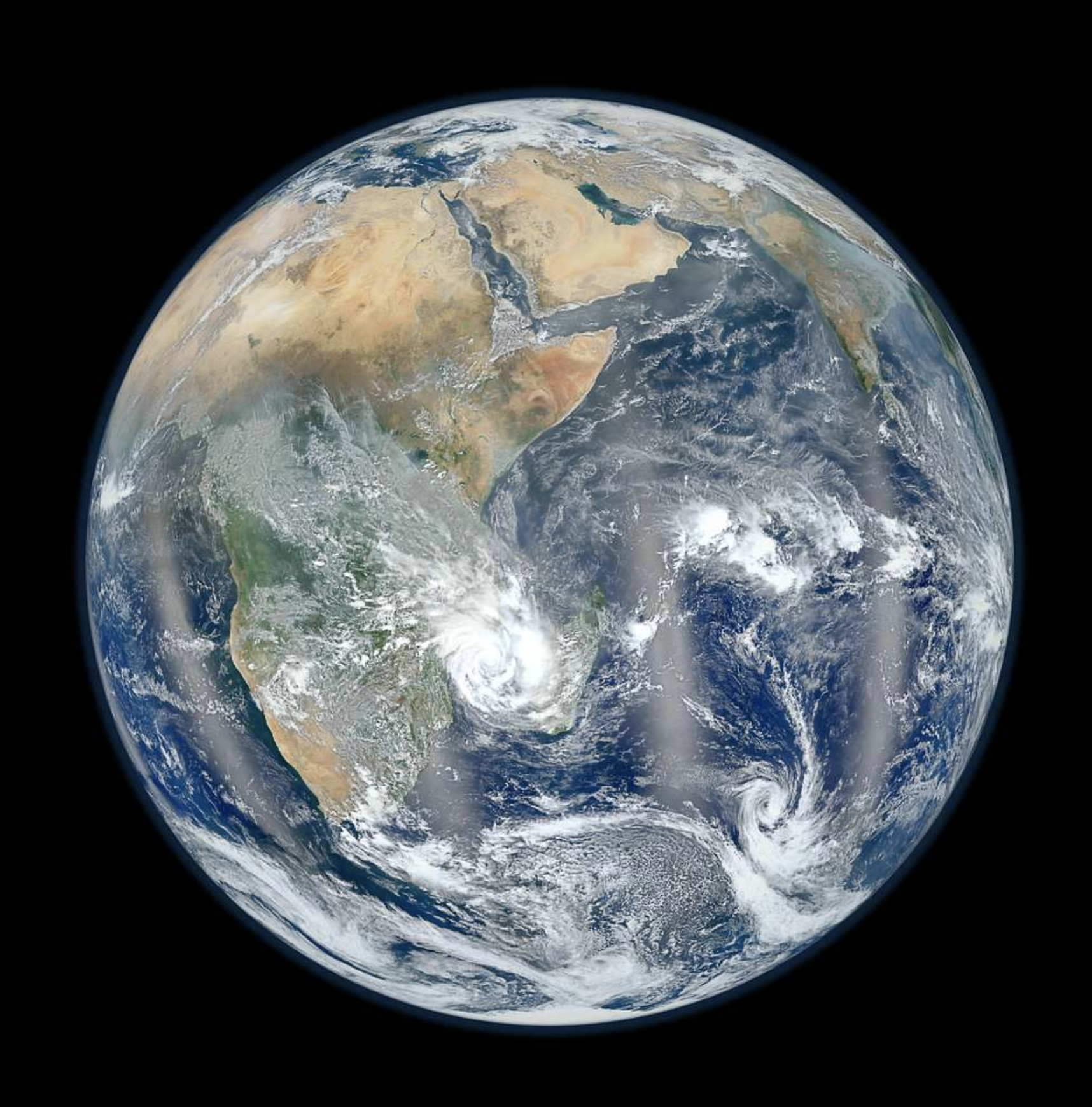
Satellite view of Earth centered on Africa and the Indian Ocean — as scientists monitor shifting ocean temperatures linked to a possible El Niño event. Credit: NASA/NOAA (Suomi NPP)
The Pacific Ocean, in its quiet and slow way, is reshuffling global weather. NOAA’s Climate Prediction Center puts the probability of El Niño establishing itself between May and July 2026 at approximately 61%. The World Meteorological Organization confirms ENSO-neutral conditions are currently in place, with El Niño chances rising through the second half of the year.
El Niño is the warm phase of a semi-regular oscillation in the tropical Pacific, where massive amounts of stored ocean heat release into the atmosphere. Events typically recur every two to seven years and last around nine to twelve months, according to NOAA’s Physical Sciences Laboratory. What is different in 2026 is the baseline: Copernicus reports that April 2026 was the joint third-warmest April on record globally, with an average surface air temperature of 14.89°C — 0.52°C above the 1991–2020 average — and sea-surface temperatures over 60°S–60°N reaching the second-highest April value ever recorded.
Scientists are clear: climate change does not necessarily make El Niño more frequent or intense as a natural cycle — but it does significantly amplify the damage El Niño causes, because both the ocean and the atmosphere are already warmer. For more on how India’s 2026 monsoon season is being affected, and how early warning systems are evolving globally, KarmActive has covered both in depth.
ENSO Forecast Dashboard
How Likely Is El Niño in 2026?
Key numbers from the latest official forecasts by NOAA, WMO, and IRI as of May 2026.
El Niño forming by Jul 2026
across the Pacific today
— a 1-in-4 chance per NOAA
NOAA currently puts a 1 in 4 chance of Niño-3.4 reaching +2.0°C or higher — the threshold for a very strong event. Forecast uncertainty is elevated due to the spring predictability barrier, a seasonal period when El Niño predictions carry higher uncertainty. Source: NOAA CPC · IRI ENSO Forecast
Interactive Regional Breakdown
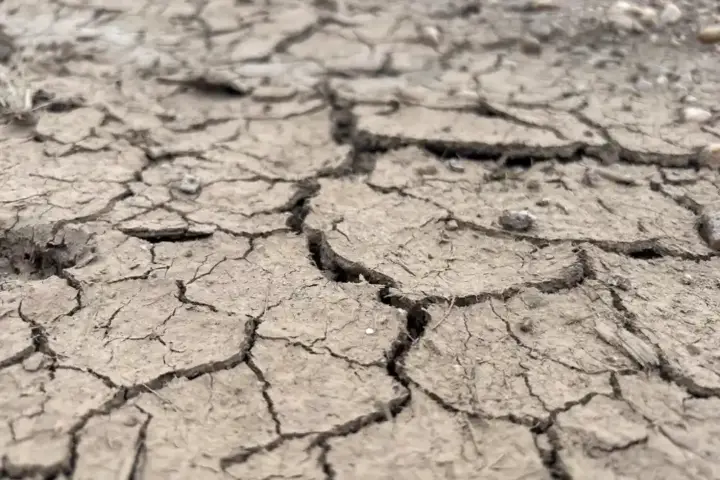
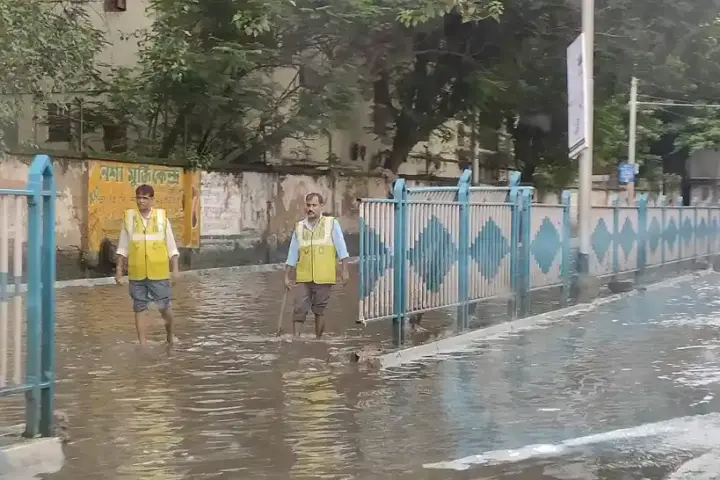
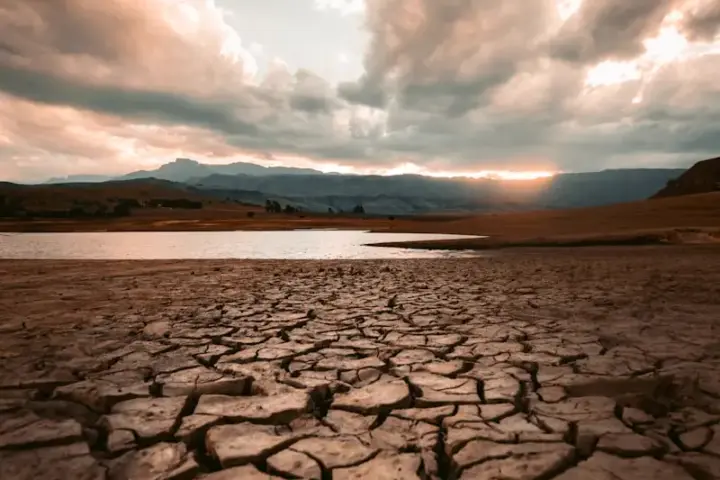
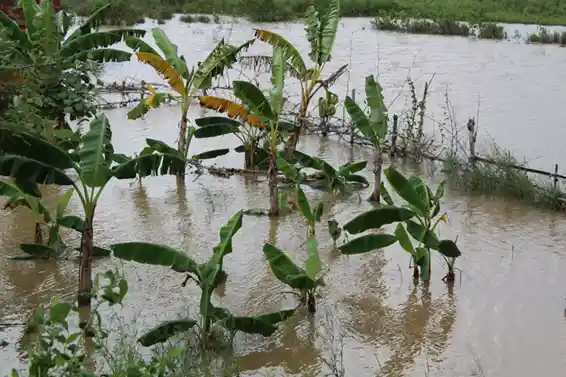
Where El Niño Hits — And How
Select a region to explore the forecast impacts based on current official assessments.
Climate Context
El Niño + Climate Change: The Amplifier Effect
El Niño is natural. What magnifies it is not.
“There is no evidence that climate change increases the frequency or intensity of El Niño events. But it can amplify associated impacts because a warmer ocean and atmosphere increases the availability of energy and moisture for extreme weather events such as heatwaves and heavy rainfall.”
— World Meteorological Organization (WMO), April 2026| Factor | Historical El Niño | 2026 El Niño Context |
|---|---|---|
| Ocean Heat | Moderate baseline | Record-high global ocean heat content; April 2026 sea-surface temps among highest ever recorded (Copernicus) |
| Atmospheric Moisture | Standard capacity | Warmer air holds more water vapour — supercharging both rainfall extremes and droughts |
| Climate Baseline | Pre-industrial average | “We are now in a different baseline climate,” said Dr. Clara Deser, NCAR. Past El Niños don’t reliably predict future ones. |
| Monitoring Infrastructure | Limited; ~70 buoys post-1982 | 4,000+ real-time instruments across the Pacific, daily tracking enabled by satellite advances |
| Predictability | Near-zero before 1986 | Seasonal forecasts since 1996 at ECMWF & NOAA; spring predictability barrier remains a known limitation |
| Human-Induced Warming | Not yet a major factor | WMO confirms no evidence climate change increases El Niño’s frequency or intensity — but it amplifies impacts by adding energy and moisture to an already warmer ocean and atmosphere. 2024 became the hottest year on record partly because El Niño occurred on top of human-caused warming. |
Risk Overview
Sector-Level Risk: What to Watch
Based on current forecasts from NOAA, WMO, WHO, and FAO for a developing El Niño scenario.
“After a period of neutral conditions at the start of the year, climate models are now strongly aligned, and there is high confidence in the onset of El Niño, followed by further intensification in the months that follow.”
— Wilfran Moufouma Okia, Chief of Climate Prediction, World Meteorological Organization, April 2026Historical Record
Very Strong El Niño Events: A Timeline Since 1850
There have been approximately six very strong El Niño events since 1850. Each shaped history in a different way. Note: “super El Niño” is not an official WMO classification.
What You Can Do
Preparedness: Actions That Reduce Risk
For farmers, households, and community planners in at-risk regions. Tap each to track what you’ve considered.
Closing
The developing 2026 El Niño was discussed in relation to rising sea-surface temperatures, shifting Pacific wind patterns, and elevated ocean heat content documented by NOAA, WMO, Copernicus, and IMD. A 61% probability of El Niño onset by July 2026 was reported by NOAA’s Climate Prediction Center, occurring against a backdrop of the joint third-warmest April on record globally.
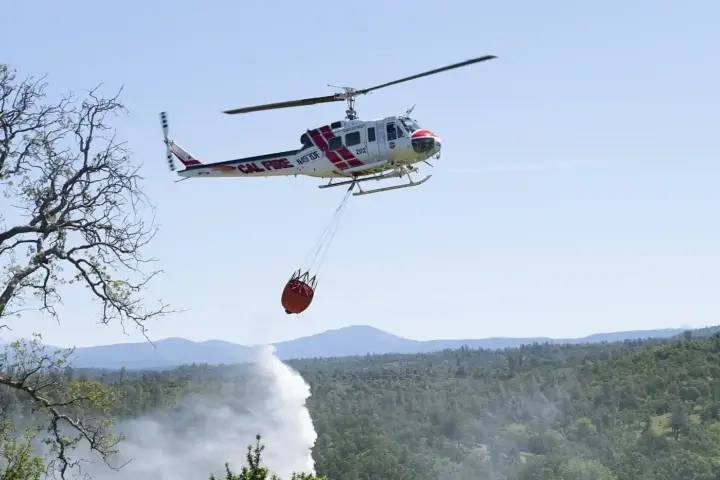
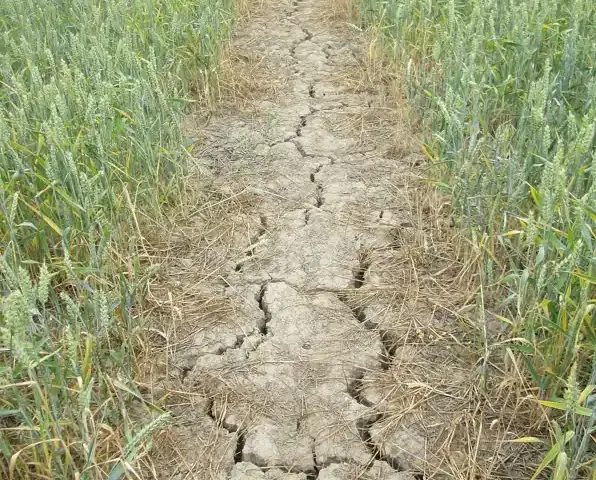
Regional forecasts were covered across South and Southeast Asia, Africa, the Americas, and Oceania — including drought and monsoon deficit risks for India, wildfire threats for Australia and the Amazon, flood risk in southern Brazil, and food security concerns in southern Africa. The article also detailed the documented amplification of El Niño’s effects by human-caused warming, as assessed by the World Weather Attribution group and confirmed by climate scientists at Imperial College London and the National Center for Atmospheric Research.
Historical context was provided through a timeline of major El Niño events from 1877 to 2024, and the scientific advances in Pacific monitoring — from 70 buoys to 4,000+ real-time instruments — were outlined. The early warning infrastructure now in place globally was also noted. KarmActive continues to track climate risk developments and the growing frequency of record-breaking atmospheric conditions.