When Six Threats Hit at Once: Global Wildlife Is Disappearing Faster Than Previously Understood
A study of 3,129 vertebrate populations spanning 70 years finds that animals facing multiple simultaneous threats — disease, pollution, invasive species, and climate change combined — lose populations at the fastest rates.
Three out of four wildlife populations tracked since 1970 have declined. A new study published in Science Advances in February 2026 offers a clearer picture of why: populations hit by multiple threats at once — disease, pollution, invasive species, and climate change in combination — decline faster than those facing habitat loss or overexploitation alone. The research analyzed 3,129 vertebrate population time series from 1950 to 2020, covering 1,281 species. It is one of the most comprehensive assessments of threat interactions across all vertebrate groups ever conducted.
Researchers from the University of Bristol and the University of Barcelona drew from the WWF Living Planet Database, maintained by the Zoological Society of London, to build a dataset spanning freshwater (616 populations), marine (1,271 populations), and terrestrial (1,242 populations) species. The dataset covered amphibians, birds, fish, mammals, and reptiles. Their statistical models identified six threat categories affecting populations and then examined what happens when those threats overlap. The answer changed how the problem should be approached.
The Threat Cascade: How Stacked Pressures Work
Select the threats a population faces. The study found that each added threat increases decline risk — toggle combinations to see how exposure levels change. Based on data from the Science Advances study (February 2026).
Threat exposure percentages are from the Science Advances study (Capdevila & O’Brien et al., 2026). The tool illustrates the study’s core finding — not a model of specific population outcomes.
The six threats in the study are not equally common. Overexploitation — hunting, fishing, and wildlife trade — affects the largest share of studied populations, at 30.6%. Habitat loss follows at 27.2%. Pollution (7.2%), climate change (6.1%), invasive species (5.7%), and disease (3.0%) each affect smaller shares, but the study found these four carry a particularly severe combined effect. A crucial nuance: the study found that threats interact additively in most cases — not synergistically, as conservation literature has often assumed. For exploitation-related interactions, 89.2% were additive. For climate change interactions, 84.9% were additive. This means every threat added to a stressed population compounds its decline — reliably, measurably, and without exception.
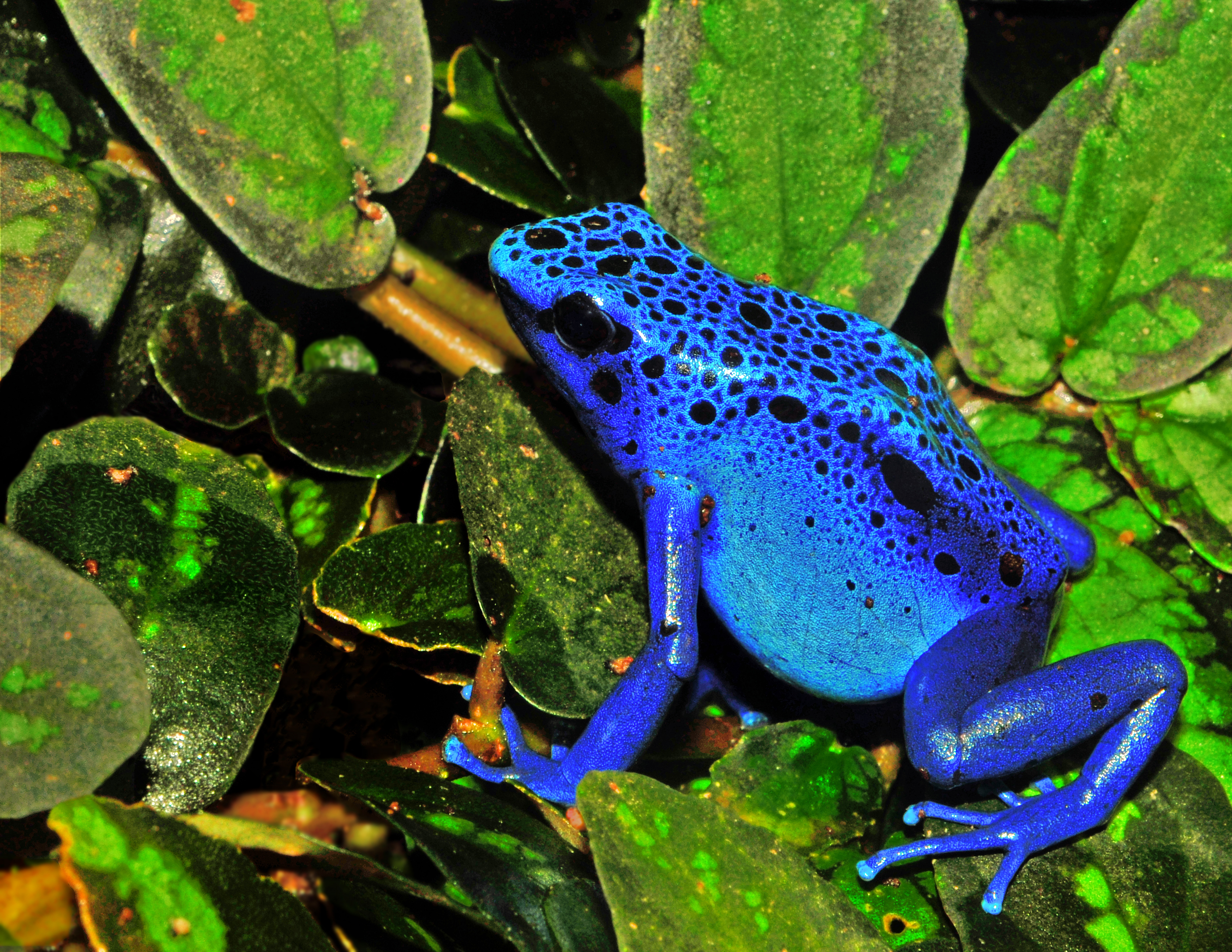
Amphibians stand out as the group most vulnerable to these combinations. With 41% of amphibian species globally threatened with extinction, they face climate-driven heat stress that impairs immune function, the fungal disease chytridiomycosis, pollution from agricultural runoff, and habitat fragmentation — often simultaneously. The Crater Lake newt dropped 63% in a single year, leaving just 13 individuals — one documented case of how rapidly a species can collapse when multiple pressures converge at once.
“Conservation action must be coordinated across multiple pressures — tackling threats one at a time will not be enough to halt ongoing biodiversity loss.”
— Dr. Duncan O’Brien, School of Biological Sciences, University of Bristol (University of Bristol press release, February 2026)
Seven Decades of Vertebrate Decline: Key Points in the Data
The losses are not spread evenly. The Living Planet Index 2024 found that Latin America and the Caribbean saw a 94% drop in average species population sizes since 1970 — the steepest of any region. South and Central America recorded an 89% loss. Africa registered a 65% decline. These are the regions holding the highest concentrations of freshwater and terrestrial vertebrate diversity on Earth. Even in Canada, WWF data shows a 10% wildlife population drop in recent years — and that is in a country with significant protected land. The scale is global, and no region is exempt.
Regional Population Decline Since 1970 (Living Planet Index 2024)
There is one finding from the study that has received little attention in coverage so far: 20% of the 3,129 studied vertebrate populations face no documented threats — and these populations are largely stable or recovering. Protected areas, rewilding zones, and marine reserves work. The data from populations that genuinely sit outside human pressure zones shows that wildlife, left with functional habitat and reduced hunting and pollution, can hold ground. The study’s authors identified reducing overexploitation as the single intervention with the greatest global benefit if only one threat can be addressed. Reducing habitat loss ranks second. Mitigating climate change ranks third. But the core finding holds: addressing these in isolation, one at a time, will not reverse the trend. The IUCN Red List’s 2025 update on birds, Arctic seals, and green turtles reinforced that diverse taxonomic groups are converging toward the same pressures simultaneously — and the over 3,700 species threatened by natural disasters add yet another layer to a compounding picture.
Freshwater ecosystems deserve specific attention. With an 85% average vertebrate population decline — steeper than terrestrial or marine — and one-quarter of all freshwater fauna threatened with extinction globally, rivers, lakes, and wetlands are losing their animal communities faster than any other environment. Sixty-one percent of freshwater turtles are threatened. Forty percent of freshwater amphibians are threatened. Thirty percent of freshwater fishes are threatened. These figures come from the IUCN Red List, which has assessed over 150,000 species globally. Freshwater conservation has historically received less funding and policy attention than marine or terrestrial conservation — a gap this study’s data makes difficult to ignore.
For the broader picture of how birds — one of the most monitored vertebrate groups — are faring under exactly these kinds of overlapping pressures, the first-ever Red Watchlist of North American bird habitats documents a 40% species decline. Coral reef vertebrates are under similar compounding pressure, as the IUCN’s COP29 report found 44% of coral species facing extinction as thermal bleaching combines with ocean acidification and fishing pressure.
The Science Advances study analyzed 3,129 vertebrate population time series across 1,281 species spanning 1950 to 2020. It found that freshwater vertebrates face an 85% average decline — the steepest of any ecosystem. Terrestrial populations have declined by 69%, marine by 56%. Globally, the Living Planet Index records a 73% average decline across tracked wildlife populations since 1970.
The study, led by Dr. Pol Capdevila of the University of Barcelona and Dr. Duncan O’Brien of the University of Bristol, identified six primary threat categories. The data found that populations exposed to combinations of disease, pollution, invasive species, and climate change alongside exploitation and habitat loss face the fastest rates of decline. Threat interactions were found to be predominantly additive rather than synergistic — meaning each threat added to an already-pressured population contributes measurably to decline. Amphibians were identified as the vertebrate group most vulnerable to these combined effects. Twenty percent of the populations studied face no documented threats, and these populations are generally stable. The full paper is available at PubMed Central and via Science Advances.