Artemis II: Humans Venture Farthest From Earth Since 1972
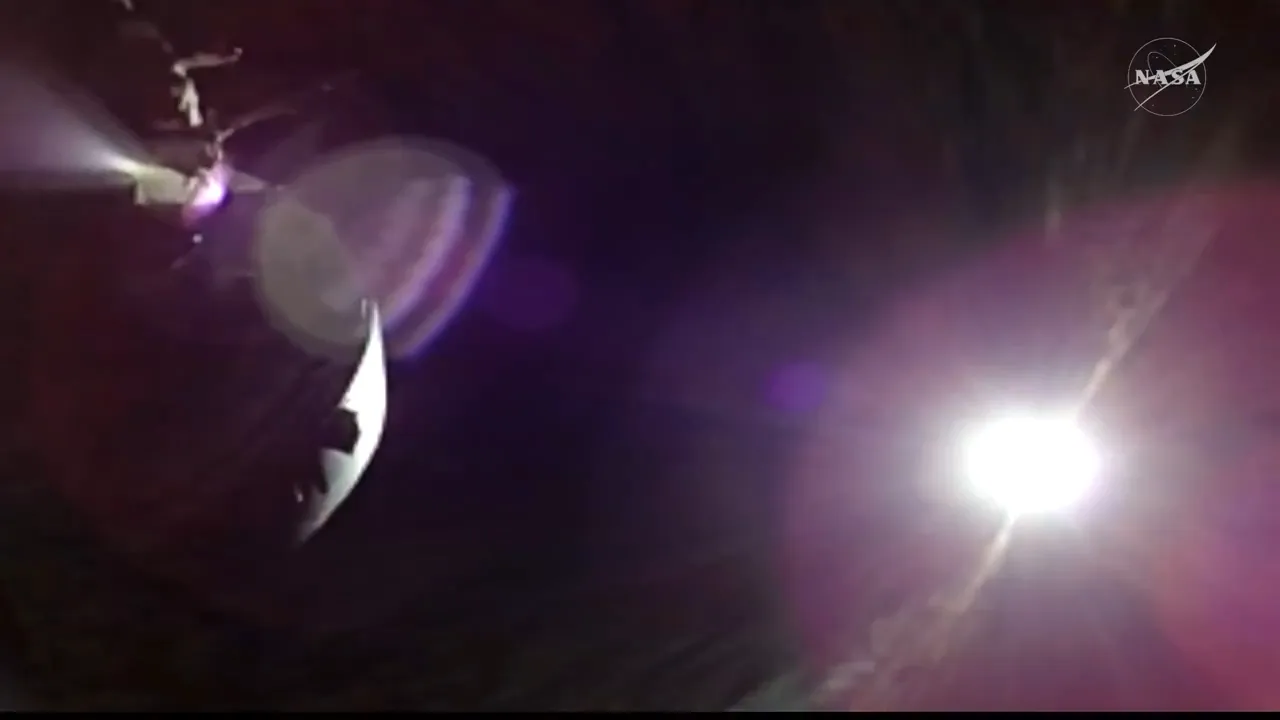
Artemis II Orion spacecraft observing a solar eclipse from behind the Moon, with the Sun's corona visible in deep space 📡 Mission In Progress

Artemis II’s Orion spacecraft views a solar eclipse from behind the Moon. Photo: NASA | Public Domain

Space Exploration

Artemis II Astronauts Reach Farthest Distance from Earth Since 1972

Four astronauts passed behind the Moon, broke Apollo 13’s 54-year distance record, and witnessed a total solar eclipse — now heading home for a Pacific splashdown.

Published: April 7, 2026 Mission Day: 7 of 10 Splashdown: April 10, 2026 — Pacific Ocean, Near San Diego

On Monday, April 6, 2026, NASA’s Artemis II mission completed its lunar flyby — the first crewed mission to the Moon’s vicinity since Apollo 17 in December 1972. The four-member crew aboard the Orion spacecraft, named Integrity, reached a maximum distance of 252,756 miles (406,771 km) from Earth, surpassing the Apollo 13 record of 248,655 miles set in April 1970 by about 4,000 miles.

This is a crewed test flight, not a Moon landing. Its primary purpose is to validate Orion’s life-support, propulsion, thermal, navigation, and crew systems in deep space — gathering data that will inform future lunar missions. For background on what led to this mission, Karmactive has been tracking the Artemis II buildup from the start.

By The Numbers

Artemis II: Mission Data at a Glance

📏
252,756
Miles from Earth — New Human Spaceflight Record
🌕
~4,067 mi
Closest Approach above the Lunar Surface
⏱️
~40 min
Communications Blackout While Behind the Moon
☀️
~53 min
Solar Eclipse Observed by Crew from Orion
~6 hrs
Dedicated Lunar Observation Window
📅
Apr 10
Splashdown — Pacific Ocean, Near San Diego

Explore the Mission

What Happened — Select a Phase

Tap each phase to explore what the crew experienced and observed.

~4,000
miles beyond Apollo 13’s 1970 distance record

Farthest Humans Have Ever Traveled from Earth

NASA’s Orion capsule Integrity reached 252,756 miles (406,771 km) from Earth on April 6, 2026, surpassing the Apollo 13 record of 248,655 miles. The record was confirmed by NASA that same day.

Apollo 13 commander Jim Lovell, who passed away on August 7, 2025, at the age of 97, had recorded a tribute message that was transmitted to the crew before the flyby. In the message, he said: “Welcome to my old neighbourhood. It’s a historic day — don’t forget to enjoy the view.”

Canadian astronaut Jeremy Hansen radioed back: “It is blowing my mind what you can see with the naked eye from the Moon right now. It is just unbelievable.”

New Human Record Apollo 13 Deep Space
~53
minutes — solar eclipse observed from Orion

A Total Solar Eclipse — From Behind the Moon

As Orion passed through the Moon’s shadow on April 6, the crew observed a total solar eclipse lasting approximately 53 minutes. From their position, the Moon blocked the Sun — giving the astronauts a direct view of the solar corona, the Sun’s outer atmosphere. This is a geometrically specific event visible only from the spacecraft’s position, not from Earth’s surface.

The crew also reported seeing Mercury, Venus, Mars, and Saturn in the deep black void during the eclipse. NASA’s Artemis science flight operations lead, Kelsey Young, noted their unique vantage point allowed direct solar corona observations during the event.

Solar Corona Spacecraft Eclipse Planetary Views
~6 hrs
lunar observation window during flyby

New Observations of the Lunar Far Side

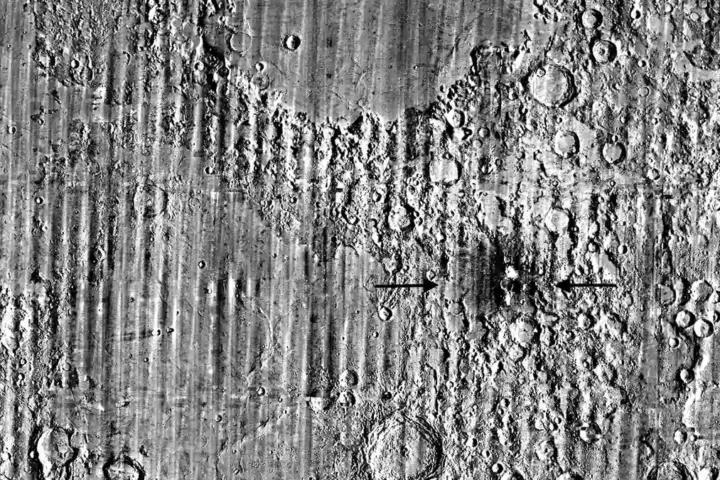
Over an approximately six-hour observation window, the crew documented lunar surface targets, including regions of the far side that were too dark or too difficult for the 24 Apollo astronauts who preceded them to observe in detail. The primary target was Orientale Basin, a large impact site with three concentric rings stretching nearly 600 miles (950 km) across.

Mission Specialist Christina Koch described an emotional moment while zooming in on the lunar landscape: “Something just drew me in suddenly to the lunar landscape and it became real.”

The crew suggested naming two newly identified craters during the flyby. The first, Integrity, is named after their Orion spacecraft. The second, Carroll, honours Commander Wiseman’s late wife, who died of cancer in 2020. NASA confirmed these proposed names will be formally submitted to the International Astronomical Union (IAU) after the mission is complete.

Orientale Basin Far Side Observations Crater Naming
~40
minutes with no contact with Earth

A Communications Blackout as Orion Passed Behind the Moon

As Orion entered the Moon’s far side, radio contact with Mission Control was severed for approximately 40 minutes — a blackout typical of lunar far-side passes. During this window, the crew reached both their maximum distance from Earth and their closest approach to the Moon, at about 4,067 miles above the lunar surface.

When the spacecraft re-emerged, Christina Koch radioed: “It is so great to hear from Earth again.” Earthrise — showing Asia, Africa, and Oceania rising above the lunar horizon — came into view. Mission Control responded: “We are Earthbound and ready to bring you home.” Flight controllers in Houston flipped their mission patches over to the return-leg side.

Free-Return Trajectory Earthrise Far-Side Pass
~70
minutes — proximity operations demonstration

Crew Systems Testing in Deep Space

Shortly after launch, Commander Reid Wiseman and Pilot Victor Glover manually flew Orion through a series of controlled approach and retreat manoeuvres using the detached ICPS (Interim Cryogenic Propulsion Stage) as a reference target. The proximity operations demonstration, completed over approximately 70 minutes, tested Orion’s handling qualities using its onboard navigation sensors and reaction control thrusters. Both astronauts praised the vehicle’s handling before returning to autopilot.

Early in the mission, Mission Specialist Christina Koch also worked with Mission Control to troubleshoot a fault in the Universal Waste Management System (UWMS) — the spacecraft’s toilet. A fan controller issue was identified and successfully resolved by Koch working with ground teams to restore the system to full operation.

Proximity Operations Manual Piloting UWMS Systems Check

The Crew

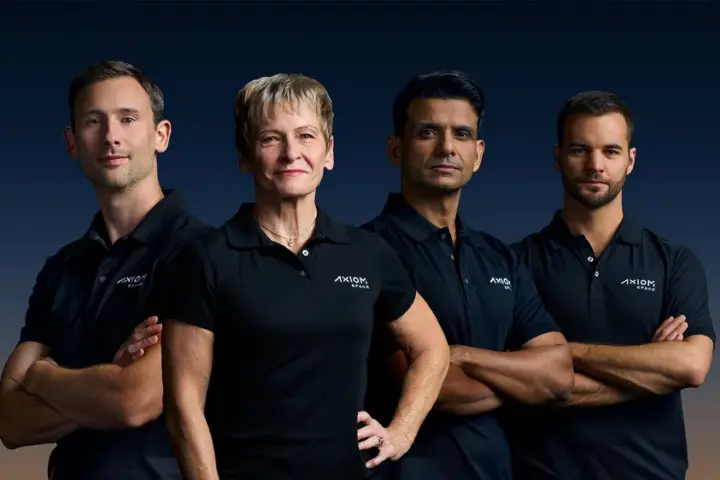
Four Astronauts. One Historic Journey.

👨‍🚀
Reid Wiseman
Commander
NASA
Proposed naming two newly observed craters — Integrity (after their spacecraft) and Carroll (in memory of his late wife, who died of cancer in 2020)
✈️
Victor Glover
Pilot
NASA
Manually flew Orion during the proximity operations demonstration; reflected on Earth as “an oasis” in the universe
👩‍🚀
Christina Koch
Mission Specialist
NASA
Resolved the UWMS fault with ground support; first words after comms resumed: “It is so great to hear from Earth again”
🇨🇦
Jeremy Hansen
Mission Specialist
Canadian Space Agency
First Canadian astronaut to travel to the Moon; radioed observations of the lunar surface during the flyby

Under the Hood

Mission Details Worth Knowing

Shortly after reaching orbit, Commander Wiseman and Pilot Glover manually flew Orion through a series of approach and retreat manoeuvres relative to the spent ICPS (Interim Cryogenic Propulsion Stage). The approximately 70-minute activity used Orion’s onboard navigation sensors and reaction control thrusters. It was the first time Orion had ever been manually flown. The demonstration tested handling qualities required for future missions where Orion must approach the Starship lander or Lunar Gateway. Both astronauts praised the spacecraft’s handling before returning it to autopilot. See the NASA mission update for full details.
Shortly after reaching orbit, the crew reported a blinking fault light on the Universal Waste Management System (UWMS). NASA suspected the toilet’s dual impeller had jammed. Mission Specialist Christina Koch field-stripped the unit, checked the impeller, reassembled it, and rebooted the UWMS controller. The impeller was found to be stiff — not jammed — likely from a long period of inactivity before launch, which caused it to spin up more slowly than the controller software expected. Koch successfully restored the system to full operation with assistance from ground teams.
During the lunar flyby, the crew suggested naming two newly observed craters. The first, Integrity, shares the name of their Orion spacecraft. The second, Carroll, honours Commander Wiseman’s late wife, Carroll Wiseman, who died of cancer in 2020. Wiseman wept as Hansen put the request to Mission Control, and all four astronauts embraced. A NASA spokesperson confirmed the proposed names will be formally submitted to the International Astronomical Union (IAU) — the body that governs the official naming of lunar features — after the mission concludes. No IAU approval has been granted yet.
Over the approximately six-hour observation window, the crew worked through a list of lunar science targets, focusing on far-side regions that were too dark or obscured for Apollo crews to observe closely. The primary target was Orientale Basin — a massive ancient impact site with three concentric rings spanning nearly 600 miles (950 km). The crew captured images using cameras aboard Orion, providing real-time commentary to scientists at Mission Control. NASA geologist Kelsey Young served as the crew’s science contact during the flyby, guiding observations and receiving descriptions of surface colour, texture, and features.
Artemis II used the same free-return lunar trajectory as Apollo 13 — a path that uses Earth and Moon gravity to return the spacecraft to Earth without a major propulsion burn. The route forms a figure-eight between the two bodies and was chosen specifically because it did not require Orion to slow down and enter lunar orbit. After passing behind the Moon and completing the flyby, the spacecraft used the Moon’s gravity to slingshot onto its return path. Splashdown in the Pacific Ocean near San Diego is expected on April 10, 2026.

Direct from the Crew

Words Spoken from 252,756 Miles Away

It is blowing my mind what you can see with the naked eye from the Moon right now. It is just unbelievable.

Jeremy Hansen — Mission Specialist, Canadian Space Agency

It is so great to hear from Earth again.

Christina Koch — Mission Specialist, NASA, after the communications blackout ended

Such a majestic view out here.

Reid Wiseman — Commander, NASA, during the lunar surface observation phase

Earth is an oasis amid a whole bunch of nothing… We are the same thing and we’ve got to get through this together.

Victor Glover — Pilot, NASA, reflecting from deep space

We will explore. We will build. We will inspire — but ultimately, we will always choose Earth.

Christina Koch — Speaking to Earth after re-establishing contact

Welcome to my old neighbourhood. It’s a historic day — don’t forget to enjoy the view.

Jim Lovell — Apollo 13 Commander (pre-recorded tribute; Lovell passed away August 7, 2025, aged 97)

Mission Timeline

From Launch to Splashdown

🚀
Day 1 — Tuesday, April 1, 2026
Launch from Kennedy Space Center
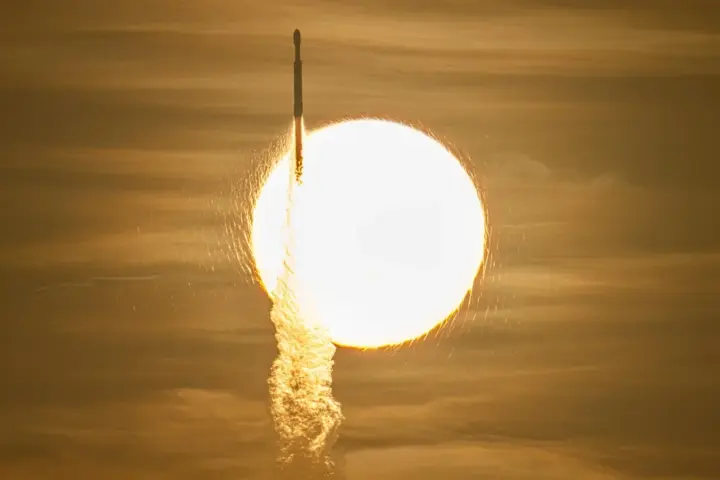
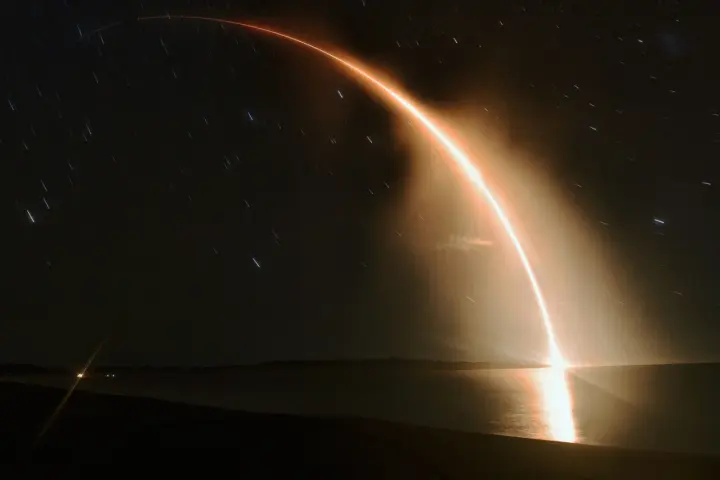
The SLS rocket lifts off from Launch Pad 39B at 6:35 p.m. EDT, sending the four-member crew on their approximately 10-day test flight around the Moon aboard Orion, named Integrity.
🛸
Day 1–2 — April 1–2, 2026
Proximity Operations Demonstration Complete
Wiseman and Glover manually fly Orion through a 70-minute series of approach and retreat manoeuvres using the spent ICPS as a reference target — the first time Orion has been manually flown. The demonstration is completed successfully.
⚠️
Day 2 — April 2, 2026
UWMS Toilet Fault Resolved
A blinking fault light is reported on the UWMS. Mission Specialist Christina Koch field-strips and reassembles the unit, reboots the controller, and restores the system to full operation with Mission Control support.
🌕
Day 6 — Monday, April 6, 2026
Lunar Flyby — Record Distance, Eclipse, and Blackout
Orion completes an approximately six-hour lunar observation window, breaks the Apollo 13 distance record at 252,756 miles, enters the Moon’s shadow for a ~53-minute solar eclipse, and passes behind the Moon in a ~40-minute communications blackout.
🌍
Day 6 Evening — April 6, 2026
Earthrise and Return Leg Begins
Orion re-emerges from the Moon’s far side. Earthrise — showing Asia, Africa, and Oceania — comes into view. Mission Control confirms the crew is Earthbound. The return cruise to splashdown begins.
😴
Day 7 — Tuesday, April 7, 2026 (Current)
Crew Rest Day
Day 7 is a designated rest day. The crew relaxes and completes minor system checks as Orion travels back through deep space toward Earth.
🌊
Day 10 — Friday, April 10, 2026
Scheduled Splashdown
Orion is scheduled to re-enter Earth’s atmosphere and splash down in the Pacific Ocean near San Diego, concluding the Artemis II test flight.

What Comes Next

The Road Back to the Moon

I
Artemis I
2022 ✓ Complete
Uncrewed Orion test flight around the Moon. Validated the spacecraft and SLS rocket.
II
Artemis II
April 2026 — In Progress
Crewed deep-space test flight. Four astronauts, lunar flyby, and Orion systems validation.
III
Artemis III
2027 — Planned
Crewed Orion flight practicing docking with lunar landers in orbit around Earth.
IV
Artemis IV
2028 — Planned
First crewed landing near the Moon’s south pole. Two astronauts set to walk on the lunar surface.

As of April 7, 2026, the Artemis II mission is on Day 7 of its 10-day flight. NASA reports all mission objectives are progressing as planned. The Canadian Space Agency has noted Jeremy Hansen’s role as the first Canadian astronaut to travel to the Moon and the significance of Canada’s contribution to the mission.

Mission activities covered include the proximity operations demonstration, UWMS troubleshooting, the lunar flyby, the communications blackout, crater naming proposals for IAU review, and the solar eclipse observation. The official NASA Artemis II Flight Day 6 blog documents the flyby milestones. Splashdown in the Pacific Ocean near San Diego is scheduled for Friday, April 10, 2026.

Karmactive Whatsapp group - https://www.whatsapp.com/channel/0029Vb2BWGn77qVMKpqBxg3D

Leave a Reply

Your email address will not be published.

uk eyesSolar-panels-image-Xlinks-1024x576
Previous Story

UK Renewables Hit 52.5% of Electricity in 2025 — but Gas Still Sets Your Bill as Hormuz Crisis Bites

Latest from Space

Don't Miss