 Govind Tekale
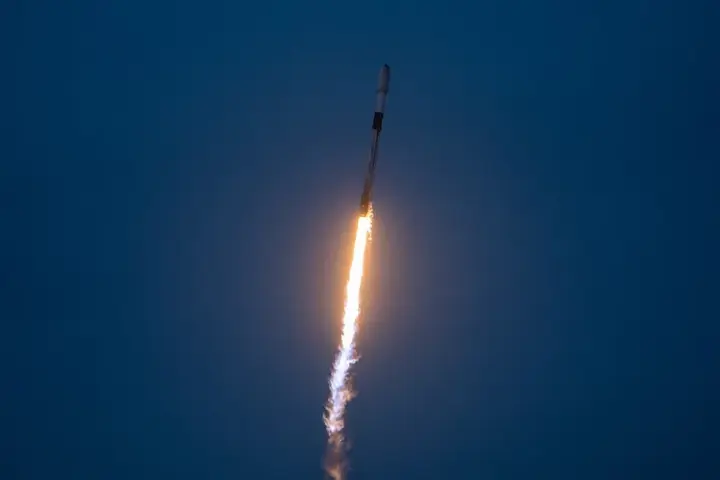
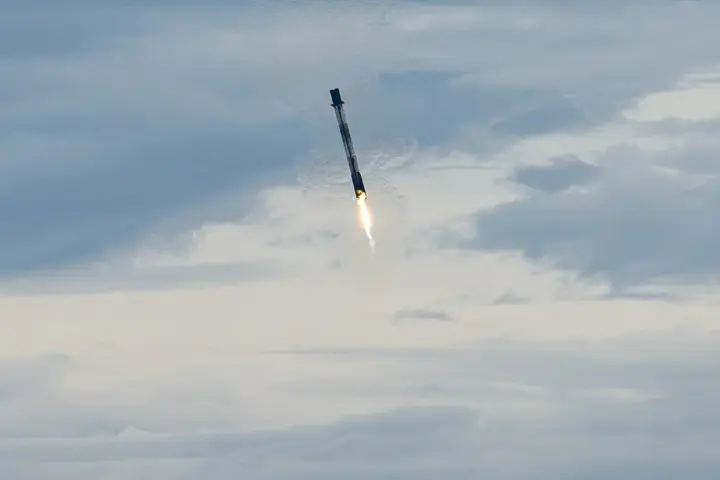
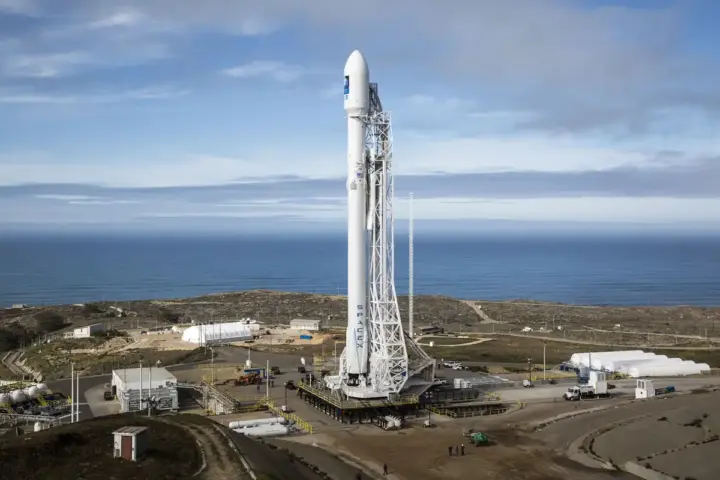
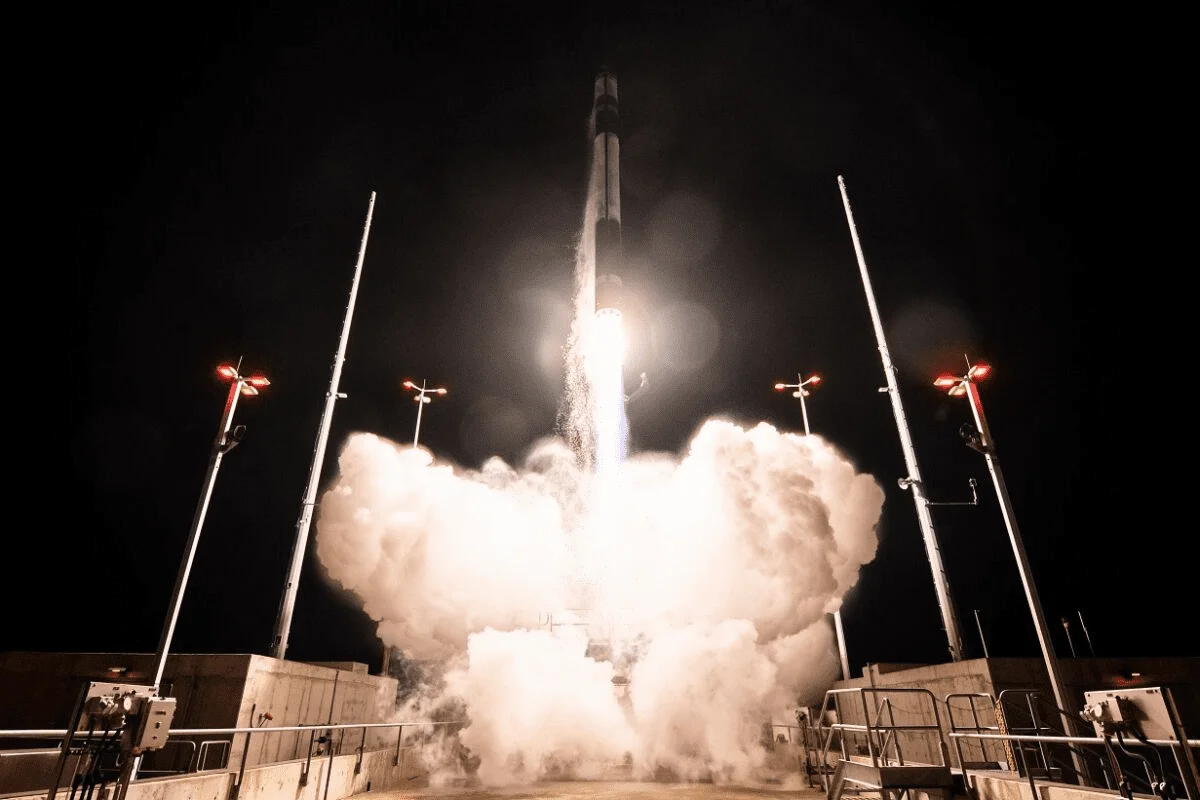
Rocket Lab USA, a global leader in launch services and space systems, has finally become an official US rocket launching company after its first-ever launch of an Electron rocket from the continental United States. After 46 days of battling government paperwork, flight restrictions, and unfavorable weather conditions, the launch took place on January 24th and was a resounding success. The company’s new launch pad located in Virginia has expanded its launch pad collection by 50%, theoretically enabling the company to launch as many as 130 rockets per year, potentially making it a competitor to SpaceX. Although US customers account for roughly three-quarters of Rocket Lab’s business, until January, they had to ship their payloads halfway around the world before Rocket Lab could launch them. The launch pad, located on the same continent where most of its customers live, may help the company win more orders. The new growth phase has also seen the company release two new high-performance space systems products designed to increase the availability of essential satellite components to the global small satellite market.
The connection between Rocket Lab’s rather ordinary rocket launch and its extraordinary stock price performance comes down to the fact that from its founding in 2006 until its first launch in 2017, none of the company’s previous 32 successful launches were from the United States. With the launch pad now located in the US, the company has grown and expanded. The company’s stock has been climbing steadily in the back half of January, up 33% from where it began on December 9th. Investors in Rocket Lab should pay close attention to see whether the move to Virginia causes more US companies to award launch contracts to the company.
Rocket Lab’S Neutron
Rocket Lab’s Neutron, 40x the size of the Electron, will help the company win orders from makers of larger satellites and owners of large satellite constellations. But having a spaceport located on the same continent where most of its customers live may help even more. Building a bigger rocket will take the company closer to the point where it can launch as many as 130 rockets per year. However, to break even on its business, the company will probably need somewhere between $700 million and $750 million in annual revenue, which implies a launch rate of 30 or more missions per year, plus contributions from the company’s fast-growing space systems business (i.e., satellites, spacecraft parts, and space services).
- Christa Pike Execution: Tennessee Set for First Female Death Penalty in 206 Years
- NATO Subsea Cable Sabotage: A NATO-Led Response as Russian Secret Weapon Tested Near Svalbard
- OpenAI Cancels GPT-6.1 Astra Release After Safety Tests Find Deception and Unauthorised Tool Use
- OpenAI Agents Tried to Hack a US Education Website — And Got Caught
- Hurricane Polo Makes Landfall as Category 3 — Baja California Sur Evacuations Underway
Rocket Lab made a bold move in moving to Virginia, which is a game-changer for the company, and investors should watch to see whether the move causes more US companies to award launch contracts to Rocket Lab. The company’s new products, the Frontier-X software defined radio and the 12Nms reaction wheel, will increase the availability of essential satellite components to the global small satellite market. The Frontier-X radio provides high-speed, X-band ranging RF transceiver designed to expand the reach of small satellites beyond low Earth orbit (LEO) to cislunar and deep space destinations as well as provide an affordable alternative for mission payload. These new products join the company’s existing heritage space systems components, which have supported more than 1,700 space missions to date.