 Rahul Somvanshi
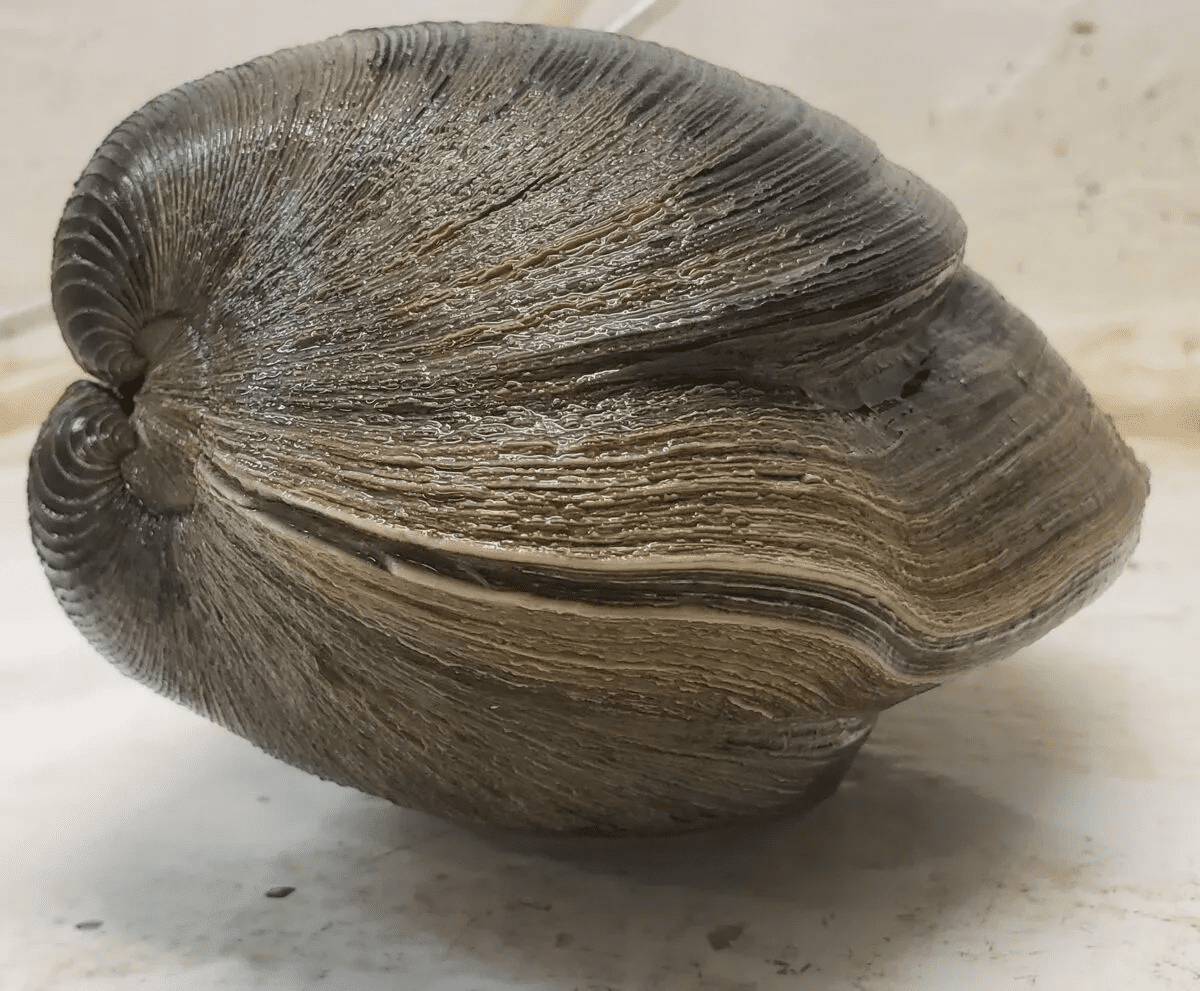
An Americorps member, Blaine Parker, was out gathering shellfish at Alligator Point by the St. James Island in Franklin County when he accidently stumbled upon a rare and enormous quahog clam. Quahog is an Atlantic species and mostly is found around north of North Carolina. Parker had originally planned to use the clam to make chowder, but after realizing that it was special, he decided not to cook it.
Later he visited the Gulf Specimen Marine Lab in Panacea, to test the clam. The researchers measured it & found it to be 6 inches long, which is much larger than the average quahog. Typically an average quahog weighs approximately half a pound and measures up to 4.3 inches in length. Parker mentioned that the clam was big enough for two servings. The external shells were large enough and could even be used as bowls.


It had alternating light bands on the clam’s shell, which can show the annual growth. After the study, it was clear that it was born in 1809, the same year as Abraham Lincoln. Parker even got an opportunity to name the clam and named it Aber-Clam Lincoln. The researchers from the lab estimated the clam’s age to be over two centuries old. It might be one of the oldest quahogs on record. The oldest recorded quahog, however, was found in Iceland in 2007 which was named Ming. Ming’s age was determined to be 507 years old.
The lab officials and Parker agreed to return the clam to the Gulf of Mexico. They claimed that it wouldn’t survive in captivity and had even earned the right to remain in the ocean. The 2.6 pound clam has been attracting 100s of visitors per day.
- UK Rejects Bubble Cosmetics Sunscreen at Border Over Missing Labels
- Supreme Court Forms Panel to Probe Force in NEET-UG Student Protests
- Oma’s Pride Dog Food Recalled Over Salmonella; 639 Bags Pulled
- mRNA Cancer Vaccine: Moderna-Merck Melanoma Shot Cuts Recurrence 49% in Landmark Trial
- UAE Suspends Trade with Iran After Missile Strikes: $28 Billion Economic Tie Severed
Parker, who also has a degree in environmental studies and marine science, explained how quahogs lay down annual growth bands on their shells. Something similar to how trees grow rings as seen on the bark’s cross section. Scientists use those bands to determine a tree’s age.
Blaine Parker’s discovery of Aber-Clam Lincoln is a very rare find and just reminds us of the wonders hidden deep in the oceans. The enormous two centuries old quahog shows us the importance of preserving our oceans and marine life.