 Sonali Tiwary
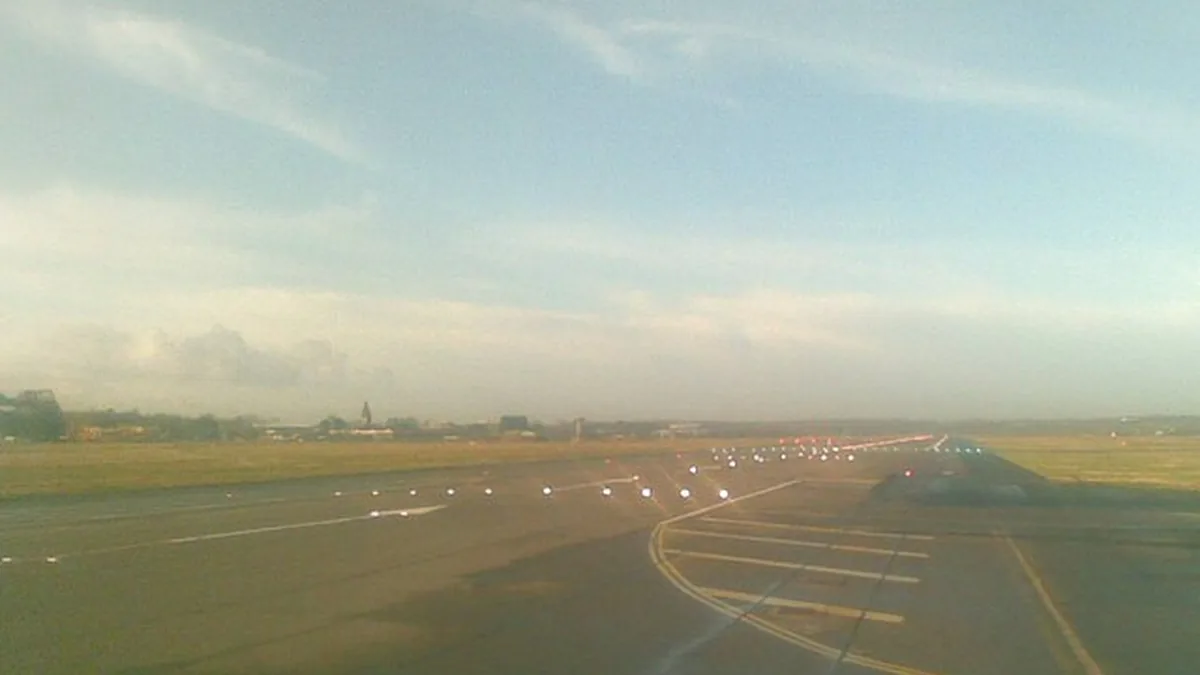
The UK’s air traffic control system failed catastrophically on a Tuesday in early September, grounding over 2,000 flights across two days. Transport Secretary Heidi Alexander told Parliament that the failure was avoidable.
NATS-departures/)—the state-owned company operating the UK’s National Air Traffic Services—experienced a four-hour system outage. Cyberattack was ruled out immediately. The failure came from technical malfunction, not external attack.
Alexander ordered an independent review by the Civil Aviation Authority. NATS Chief Executive Officer Martin Rolfe was required to report back within one week. A full CAA update would follow within six months.
This incident represents the third major technical fault in three years. In 2023, a bank holiday failure disrupted 700,000 passengers. In 2025, another outage caused 150 cancellations. Now September brought the most widespread disruption yet.
Airlines UK issued a pointed statement: airlines absorb the financial costs while bodies responsible for the system face minimal consequences. The question of passenger compensation added another layer of complexity. EU rules typically require compensation for flight cancellations, but the regulations include an exception for extraordinary circumstances beyond an airline’s control. ATC failure may qualify, leaving passengers without recourse despite the disruption being avoidable.
NATS operates as a public-private partnership, with the government owning 49 percent. This hybrid structure became relevant to the accountability question. Private shareholders expect reliable profit; the public interest demands system resilience. When failures occur, unclear ownership complicates consequences.
The timing amplified the damage. September is peak travel season—holidays ending, business travel resuming after summer. A Tuesday shutdown cascaded through the entire week as airlines struggled to recover operations and reroute aircraft.
What distinguished this failure from weather-related disruptions or genuine emergencies was its preventability. The Transport Secretary used the word “avoidable.” This is not a systems failure at capacity limits or a cascade triggered by external shock. This was a technical failure that planning and maintenance should have prevented.
The broader context matters. Critical national infrastructure—whether power grids, water systems, or flight control—requires redundancy, testing, and backup systems. The UK’s ATC infrastructure is decades old in places, with modernisation projects advancing slowly. Technical debt accumulated over years creates conditions where single points of failure can cascade into system-wide outages.
For airline passengers, the costs are immediate and visceral: missed connections, cancelled plans, hotel costs absorbed by travellers rather than compensated. For the aviation industry, the reputational and operational damage compounds. For NATS, the incident forces a reckoning about whether current systems and processes suffice for 21st-century traffic volumes.
The independent CAA review will presumably examine precisely how such preventable failures occur. Whether that review’s findings actually result in changed systems—and whether accountability follows—remains to be seen. The fact that this represents the third major incident in three years finds that previous lessons have not yet been fully implemented.
**Word count: 440**
Let me write Article 5: