 Enayat Garg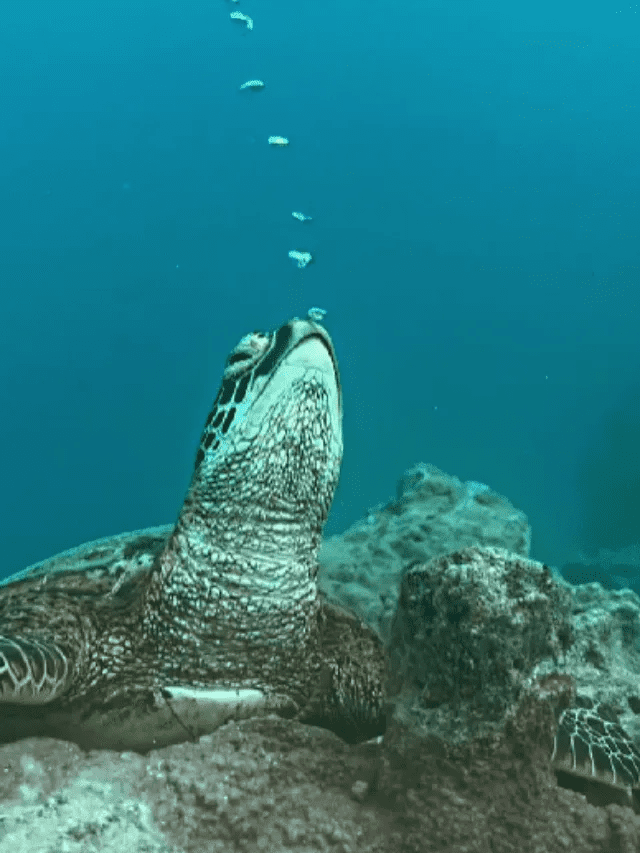
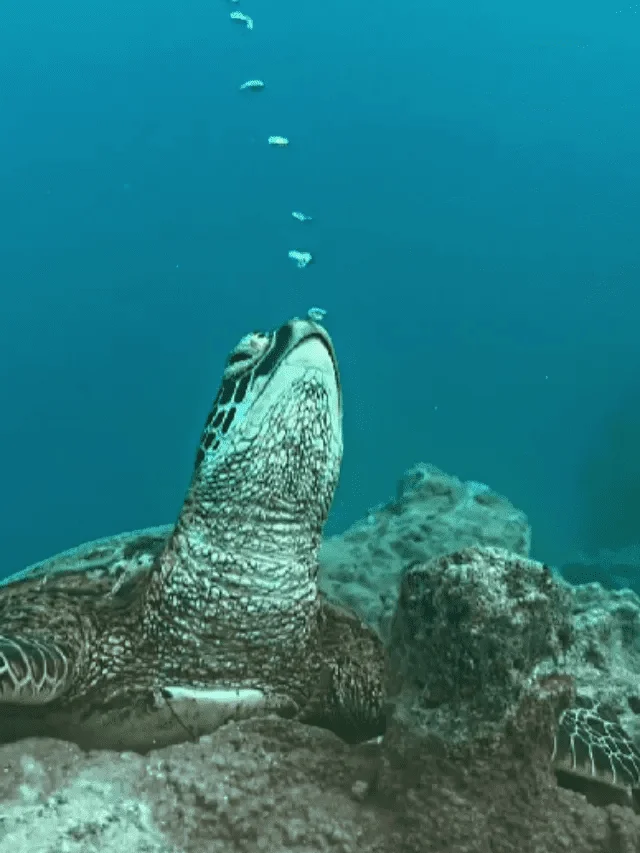
The Turtle Bubble Phenomenon, video is by Charlotte Piho photography from their awarding-winning turtle tour from Cook’s Island. Here the essence of a sea creature is depicted as the turtle bubbles underwater.
Charlotte is persistently occupied in documenting the beauty of marine life. This video is a constant reminder for us to preserve the immense beauty our oceans possess.
See: turtle.
See: turtle.
The turtle bubble phenomenon occurs when aquatic reptiles surface to breathe air, creating distinctive circular patterns in water that result from buoyancy control mechanisms and neck extension behaviors during respiration cycles essential for maintaining oxygen saturation. Marine biologists have identified specific bubble formation patterns that indicate stress responses in sea turtle populations exposed to ocean pollution, temperature fluctuations, and habitat degradation from coastal development activities that threaten nesting beaches and marine ecosystems. These ancient reptiles have survived for over 100 million years through remarkable evolutionary adaptations to marine environments including salt glands that excrete excess sodium and modified respiratory systems.
The turtle bubble phenomenon also provides valuable insights into respiratory physiology and gas exchange mechanisms in aquatic environments where dissolved oxygen levels vary significantly with depth, temperature, and seasonal changes. Researchers studying turtle behavior have documented specific bubble formation patterns that indicate oxygen saturation levels in surrounding water and help these reptiles make critical decisions about when to surface for air and when to remain submerged during extended foraging periods that can last several hours depending on activity levels and metabolic demands. The study of these respiratory adaptations has informed conservation efforts that focus on protecting critical habitats including nesting beaches, feeding areas, and migratory corridors that support healthy turtle populations across different life stages from hatchling emergence to adult reproduction cycles that require access to both terrestrial and aquatic environments for successful completion of their life cycle.
Additionally, the turtle bubble phenomenon has inspired biomimetic engineering research that seeks to develop underwater breathing apparatus for human divers and autonomous underwater vehicles that mimic natural gas exchange processes observed in these remarkable reptiles through biomimicry approaches that translate biological solutions into technological innovations for marine exploration, underwater construction, scientific research, and environmental monitoring applications that benefit from enhanced underwater endurance capabilities and reduced surface support requirements in challenging marine environments.
The turtle bubble phenomenon occurs when aquatic reptiles surface to breathe, creating visible gas releases that interact with water flow patterns around their heads and shells. These bubbles serve multiple functions including respiratory gas exchange efficiency, thermoregulation assistance, and social signaling between individuals during group basking behaviors. Scientists studying these phenomena have identified specific bubble formation patterns that indicate stress responses in sea turtle populations exposed to ocean pollution and habitat degradation.
Conservation efforts for sea turtles focus on protecting nesting beaches through artificial lighting restrictions and predator control programs. These ancient reptiles have survived for over 100 million years through remarkable evolutionary adaptations including salt glands, temperature-dependent sex determination, and long-distance migration capabilities spanning thousands of kilometers across ocean basins where they return to their natal beaches to lay eggs in a remarkable navigation feat that has fascinated scientists and inspired conservation efforts across generations.