Karmactive Team
Estimated reading time: 5 minutes
Tata Motors is aggressively pushing electric vehicle adoption in August 2026, offering discounts reaching Rs. 3.35 lakh on the Curvv EV—the highest benefits available across its entire EV lineup this month. For buyers considering an electric car purchase, these August offers represent a significant price reduction window.
The maximum benefit combines a flat Rs. 3 lakh cash discount with Rs. 35,000 in scrappage incentives for non-X variants. This isn’t theoretical—buyers can stack these benefits immediately at dealerships, provided they meet scrappage eligibility (trading in a vehicle older than 10 years typically qualifies).
Breaking Down the Benefit Layers
Tata’s discount structure works in tiers. Curvv EV X-series variants get lower total benefits but more flexibility. These models receive up to Rs. 65,000 in combined exchange bonus or scrappage incentive, without the Rs. 3 lakh cash discount. This appears less generous until you realize X-series buyers often purchase higher base models where the percentage savings still matter.
Non-X Curvv EV trims (Creative, Adventure, Fearless, Empowered) attract the aggressive Rs. 3 lakh cash discount. The Creative trim specifically gets Rs. 2.50 lakh direct discount, bringing total package to Rs. 2.85 lakh before exchange benefits. This layering means different buyers find different deals optimal depending on trade-in availability and brand loyalty status.
Loyalty bonuses add another dimension. Existing Tata ICE owners switching to any Curvv EV get Rs. 50,000 loyalty benefit. Current Tata EV owners upgrading to a new Curvv EV get similar treatment. These aren’t replacements for other discounts—they’re additional, making multi-vehicle Tata households particularly advantaged.
Harrier EV and Other Models Lag Behind
Harrier EV commands Rs. 2.75 lakh maximum discounts on Empowered trims, slightly less than Curvv but still substantial. Nexon EV gets the most conservative treatment at Rs. 45,000 maximum benefit, positioning it as the discount floor in Tata’s August lineup. Tigor EV and Sierra EV get no benefits this month, suggesting Tata prioritizes moving Curvv and Harrier inventory over their more affordable or premium options.
This hierarchy typically reflects inventory status and market positioning. Curvv as a newer model needs volume building. Harrier as the premium EV supports margin maintenance. Nexon EV as the entry offering remains steady-state. Discounts shape buyer flow accordingly.
Understanding the Real Impact on Purchase Price
A base Curvv EV Creative variant starts around Rs. 20 lakh before discounts. With Rs. 2.85 lakh in combined benefits, effective price drops to Rs. 17.15 lakh—a substantial 14% reduction. Add potential scrappage benefits, and effective prices reach Rs. 16.80 lakh for buyers trading in older vehicles.
For comparison, competitive EVs like MG ZS EV or Hyundai Creta Electric run Rs. 18-24 lakh depending on variants. Tata’s aggressive August discounting moves Curvv into territory previously requiring premium positioning. This pricing pressure benefits buyers but suggests Tata might be managing demand more actively than typical.
When These Discounts End
All August 2026 offers expire August 31. September pricing returns to list rates unless Tata extends promos, which is possible but not guaranteed. For buyers on the fence, the August window closes fast—nearly gone by the time you read this article.
Early September often sees modest discounts as dealers clear remaining August-registered inventory for quarter-end reporting. But don’t assume August rates continue. Tata adjusted discounts fortnightly through previous months, sometimes reducing benefits. If current incentives interest you, visiting dealerships immediately makes sense.
Conversion Kit and Infrastructure Reality
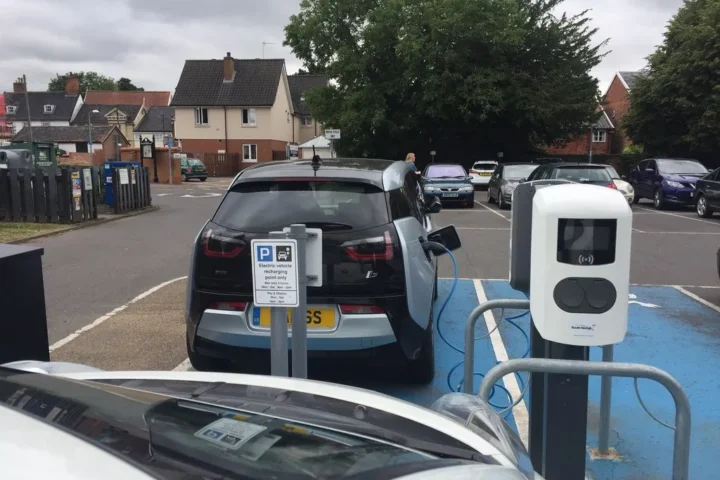
Buying an EV requires considering charging infrastructure beyond purchase price. Curvv EV offers two battery packs: 45 kWh and 55 kWh variants. Home charging setup costs Rs. 30,000-50,000 if you don’t already have a two-wheeler charger. Commercial charging networks across major cities mean public infrastructure exists, though availability varies by location.
Curvv EV’s range—285 km on 45 kWh, 385 km on 55 kWh—handles daily commutes comfortably. Monthly electricity cost runs Rs. 2,000-3,000 for typical driving patterns, dramatically lower than Rs. 5,000-8,000 monthly fuel costs for comparable ICE vehicles.
Battery Warranty and Long-Term Costs
Tata includes 8-year/160,000 km battery warranty on Curvv EV, addressing the primary longevity concern for EV buyers. Maintenance costs stay 40-50% below petrol vehicles because EVs have fewer moving parts. No oil changes, transmission servicing, or spark plug replacements. Brake wear decreases due to regenerative braking.
Insurance costs run 10-15% higher for EVs versus ICE vehicles, but fuel savings dwarf this premium. Total cost of ownership favors EVs once you cross 50,000 km, assuming stable electricity prices.
Segment and Positioning
Curvv EV competes directly in the affordable coupe-SUV segment. Its design—combining SUV utility with coupe styling—attracts buyers wanting differentiation without exceeding Rs. 20 lakh budgets. Tata’s aggressive August offers suggest they’re volume-focused on this segment, possibly ahead of next-generation launches or in response to competitive pressure.
The brand’s EV ambitions show clearly through August discounting patterns. Highest discounts on newest models, lowest on entry variants, medium on premium. This structure isn’t random—it optimizes for volume while maintaining margins on buyers willing to pay full price.
August 2026 represents a buyer’s market for Tata EVs. Those able to commit quickly gain meaningful savings. Those who delay past August 31 likely pay significantly more, even if Tata extends some September offers. The window exists, but it’s closing.