 Tejal Somvanshi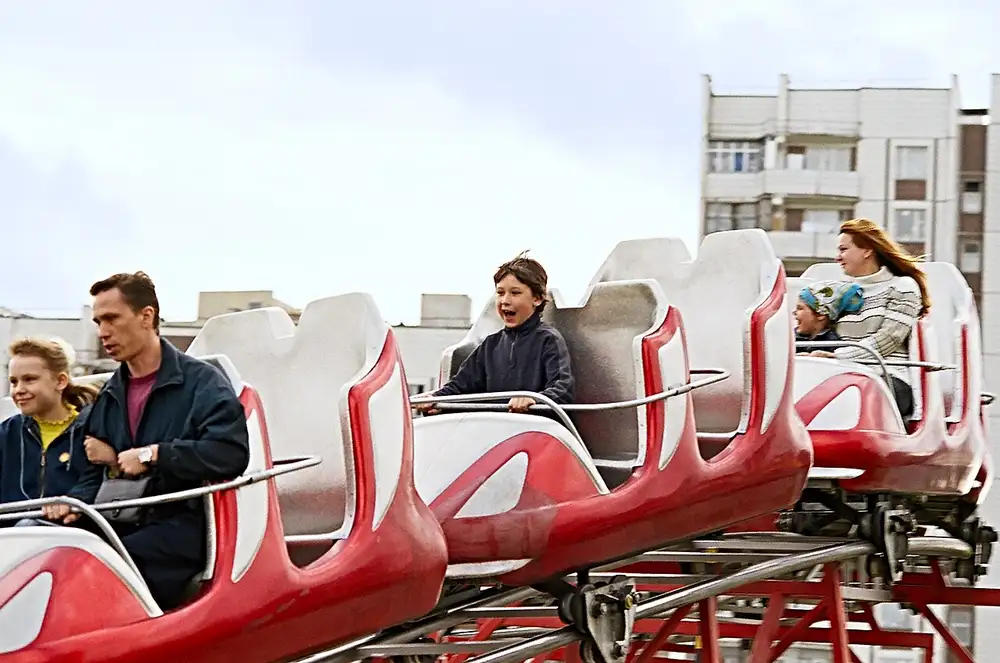
Six Flags Magic Mountain’s X2 roller coaster remains closed following incidents this summer that left two riders requiring emergency brain surgery. A state investigation is underway as lawsuits continue involving multiple riders who claim the extreme ride caused traumatic brain injuries.
X2 is billed as a fifth-dimensional coaster with 360-degree rotating seats that spin independently while the train moves through inversions and high-speed turns. Riders sit suspended outside the track in cantilevered seats, rotated head-first and face-down through multiple directions. The ride reaches speeds up to 76 mph with intense multi-axis acceleration.
In July 2026, two women required emergency surgery for subdural hematomas—blood accumulation between the brain and skull—shortly after riding X2, according to medical reports and news coverage. California’s Division of Occupational Safety and Health opened an inspection into the July 5 incident. The agency confirmed the inspection is ongoing but has not released findings.
Six Flags currently lists X2 among attractions undergoing closure for enhancement, though the park has not publicly specified reopening dates or the nature of the enhancements.
**Understanding the medical connection:**
Medical literature details how rotational acceleration combined with jarring movements can create shearing forces on blood vessels inside the brain. Subdural hematomas occur when these forces rupture bridging veins between the brain surface and the skull’s outer lining.
However, medical events occurring after a ride do not automatically prove the ride caused them. The question investigators and courts must answer is whether the ride’s specific forces caused these specific injuries.
**Legal history:**
This is not X2’s first legal challenge. In 2020, rider Sheila Katerelos alleged she sustained a traumatic brain injury and subdural hematoma after riding X2. A California appellate court found her claim had sufficient merit to proceed to trial, reversing a summary judgment in the manufacturer’s favor. The court determined questions about whether the ride’s design caused her injury could only be resolved through full litigation.
The case established that injuries and design concerns with X2 have been subject to litigation before.
**The current investigation:**
California regulators must determine whether X2’s operation, design, or maintenance creates an unreasonable hazard. Internal park records reviewed during prior litigation documented at least 70 head-and-neck injury complaints involving X2 riders in the three years before Christopher Hawley’s death. That documented history is relevant to investigators’ baseline for understanding injury patterns. Learn more about amusement ride safety regulations.
**What remains unknown:**
Regulators have not released preliminary findings or conclusions about causation. The investigation is ongoing. No final determination has been made about whether X2’s design or operation caused the July incidents.
Until regulatory findings and any future litigation conclude, causation remains a matter of investigation, not established fact.