Govind Tekale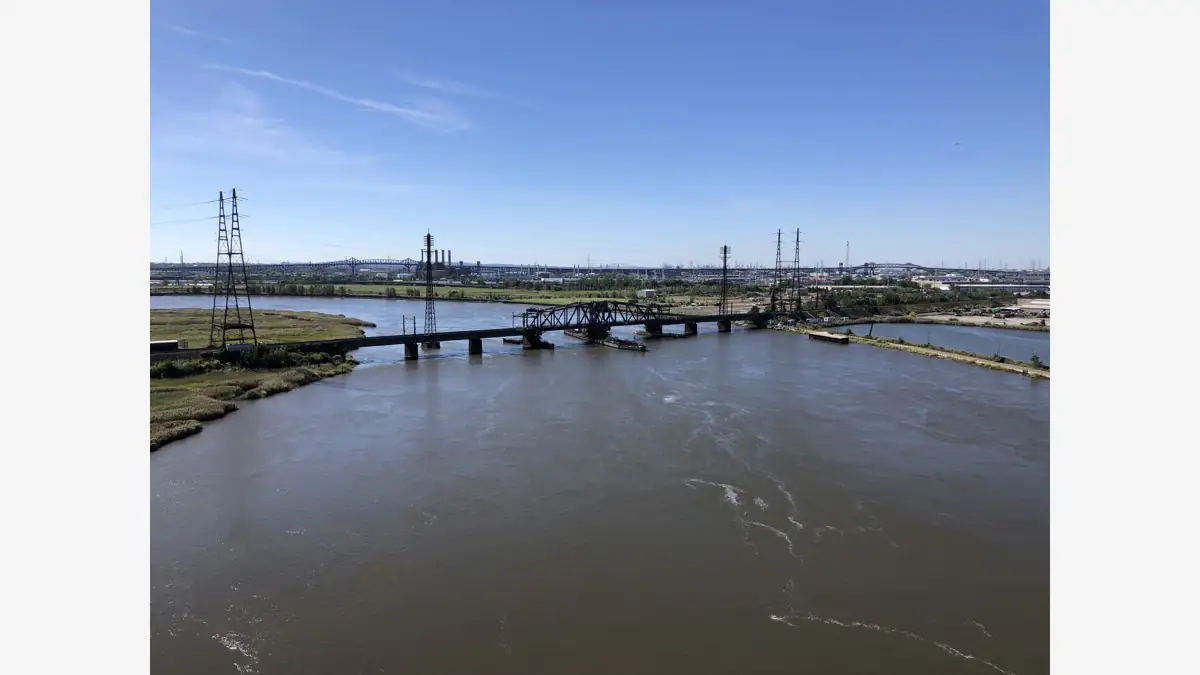
New Jersey commuters are facing a five-week period of altered rail service as work associated with the Portal North Bridge project closes the existing Portal Bridge. The disruption affects a key section of the Northeast Corridor between Newark and New York Penn Station, where NJ Transit and Amtrak services share constrained infrastructure.
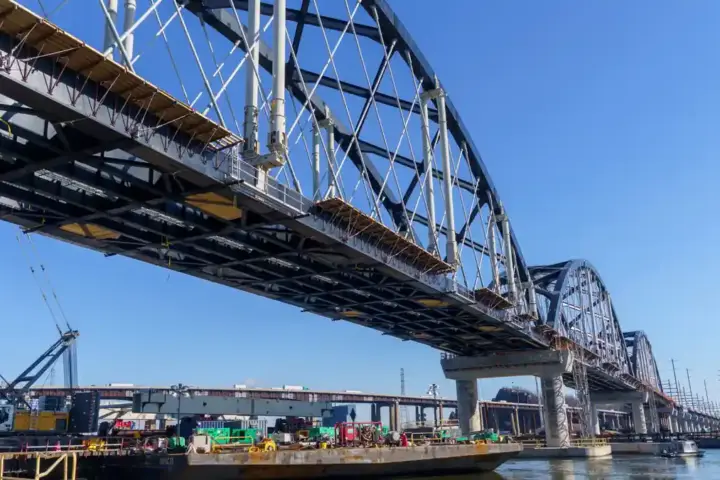
The closure is tied to construction of the replacement bridge over the Hackensack River. The current Portal Bridge, a century-old swing bridge, has long been a point where an opening for marine traffic can delay trains on one of the United States’ busiest passenger-rail corridors. The Gateway Development Commission describes the new fixed bridge as a core part of the wider Gateway Program.
Changes for travellers
Riders should expect timetable changes, altered connections and extra time around the work period. NJ Transit passengers travelling from the Meadowlands, Newark and points west toward Manhattan are likely to feel the effects most directly. Amtrak customers using Northeast Corridor services should also check their departure information before travelling, as infrastructure work can affect platforming and train paths even when a service remains scheduled.
The practical advice is simple: check the operator’s latest service information on the day of travel, leave room for a missed connection and avoid relying on a tight transfer. For commuters whose jobs or appointments depend on a fixed arrival time, an earlier train may be the safer option while the temporary plan is in force.
A project with corridor-wide stakes
The work is more than a local inconvenience. The Portal North Bridge is intended to remove a single point of failure from the corridor used by NJ Transit and Amtrak. The existing bridge’s movable design and age have made reliability a recurring concern, while the replacement is designed as a higher fixed span.
Karmactive has previously covered What the New Retail Code Means for Your Train Ticket Purchase and Portal Bridge Cutover Slashes Northeast Corridor Rail Service Through November 15. Those reports show why reliability projects often matter most when daily service is disrupted: capacity and resilience are felt in the ordinary journey to work, school or a medical appointment.
For now, the immediate issue is managing a defined construction window. Rail operators’ live advisories remain the best source for individual trips, while the replacement project is intended to remove a long-standing bottleneck from the corridor.