Rahul Somvanshi

In an era marked by environmental crises, water scarcity stands as a colossal challenge, affecting 1.1 billion people and threatening to escalate geopolitical tensions. However, this stark reality is driving innovative solutions, with Oneka Technologies taking the helm with a groundbreaking wave-powered desalination process.
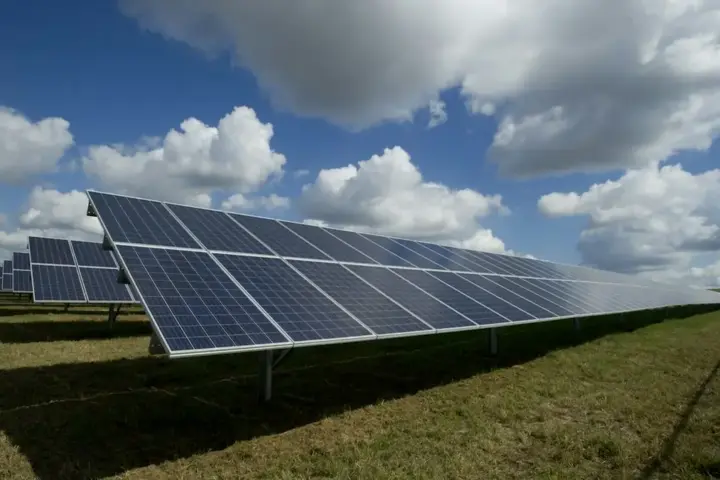
Harnessing Ocean Power Oneka’s technology is a testament to harnessing natural forces for sustainable outcomes. Off the coast, desalination buoys bob with the waves, their movements triggering a desalination process that turns saline ocean water into freshwater. Self-cleaning strainers and filters clear the seawater of salts, bacteria, and other particles, producing potable water for coastal communities. Notably, these operations are closely monitored by solar-powered sensors, ensuring that water quality surpasses local standards.
Sustainability Meets Innovation: Oneka’s Eco-Friendly Design In stark contrast to traditional desalination systems, Oneka’s wave-powered buoys pose no environmental harm. Free of harmful emissions and hazardous chemicals, the buoys also use mesh filters to protect marine life. In an additional nod to sustainability, the buoys’ anchors double as artificial reefs, contributing to the restoration of damaged underwater ecosystems.
Similar Post
Oneka’s Glacier Buoy Following a successful pilot in Chile and substantial investments from the Canadian government, Oneka is now focusing on the development of the Glacier buoy. This utility-scale desalination buoy has the potential to address water needs of large population centers, redefining the way we tackle water scarcity.
Climate Resilience The US Department of Energy lauds Oneka’s technology as a vital lifeline for water-scarce communities, particularly those at the forefront of climate change impacts. These portable desalination systems could bolster resilience and recovery amidst escalating natural disasters, making them an indispensable tool in the fight against climate change.
Green Desalination in Action Oneka’s upcoming pilot project involves the deployment of an Iceberg-class unit off the Fort Bragg coast. This ninth-generation technology, honed over seven years in oceanic conditions, aims to produce substantial amounts of fresh water over a year without emitting greenhouse gases, thereby contributing to CO2e savings.
Low-Impact Brine and Offshore Operations Another feature that sets Oneka’s technology apart is its ability to generate low-impact brine, a byproduct of desalination that has a minimal increase in salinity compared to seawater. Moreover, the entire reverse osmosis process takes place offshore, preserving the terrestrial ecosystems.
California’s Investment and the Road Ahead California’s $1.5 million investment in Oneka’s pilot project highlights the promise this technology holds. As Oneka navigates permitting stages with local, state, and federal agencies, it carries the potential to reshape how we approach water security, not just for Fort Bragg, but for coastal communities worldwide.