Karmactive Team
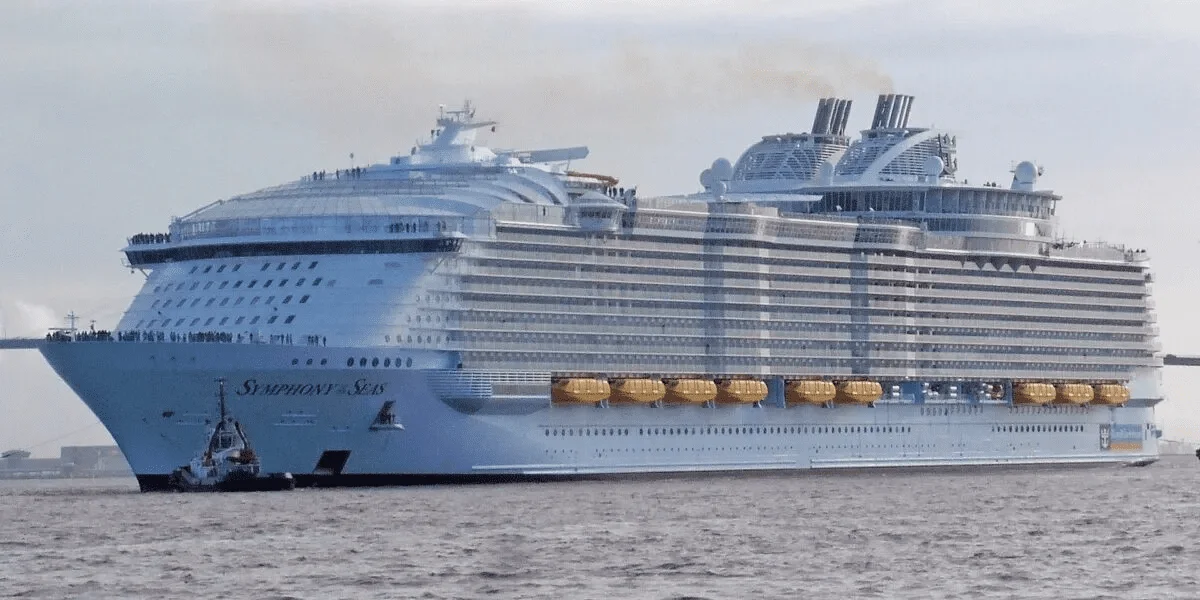
The Symphony of the Seas, operated by Royal Caribbean, is a large cruise ship with a length of 1,188 feet and a weight of 228,081 gross tons. The ship features 36 kitchens, or “galleys,” including 12 specialty restaurants. Each week, 100 different menus are developed to cater to a diverse passenger demographic, offering options from the penthouse to the suite to the main restaurant to specialty restaurants. With a focus on environmental sustainability, the ship operates as a “zero landfill” vessel through the use of recycling and waste management methods.
For related coverage, see senate recommends stripping telstra of australia’s. For related coverage, see germany’s economic model under strain: industrial .
The Symphony of the Seas can accommodate over 6,600 passengers and a crew of approximately 2,200. To keep up with the demand for food, the ship’s kitchen staff prepares around 30,000 meals a day. The inventory manager is responsible for stocking the 23 onboard restaurants with over 600,000 pounds of food and drink each week, with a weekly grocery budget of $1 million and delivery of 500 pallets from Miami.
The ship’s waste management team processes up to 13,000 pounds of waste in a week-long voyage, separating recyclables such as glass, cardboard, and aluminum cans. Food waste is pulverized to less than 25 mm and disposed of no closer than 12 nautical miles from land. The ship also crushes around 528 gallons of water bottles per week. The ship’s purification system cleans grey and black water before dumping it back into the sea.
When the ship docks in Miami, the recyclables are offloaded to partner recycling facilities. Royal Caribbean reports that it recycled over 14 billion pounds of waste in 2021. The waste management processes on the Symphony of the Seas are monitored by the environmental officer and a team of crew members, ensuring that the waste generated on the ship is managed sustainably and efficiently. For more on this topic, see carnival cruise passenger missing after going overboard off . For more on this topic, see germany’s economic model under strain: industrial decline am.