 Sunita Somvanshi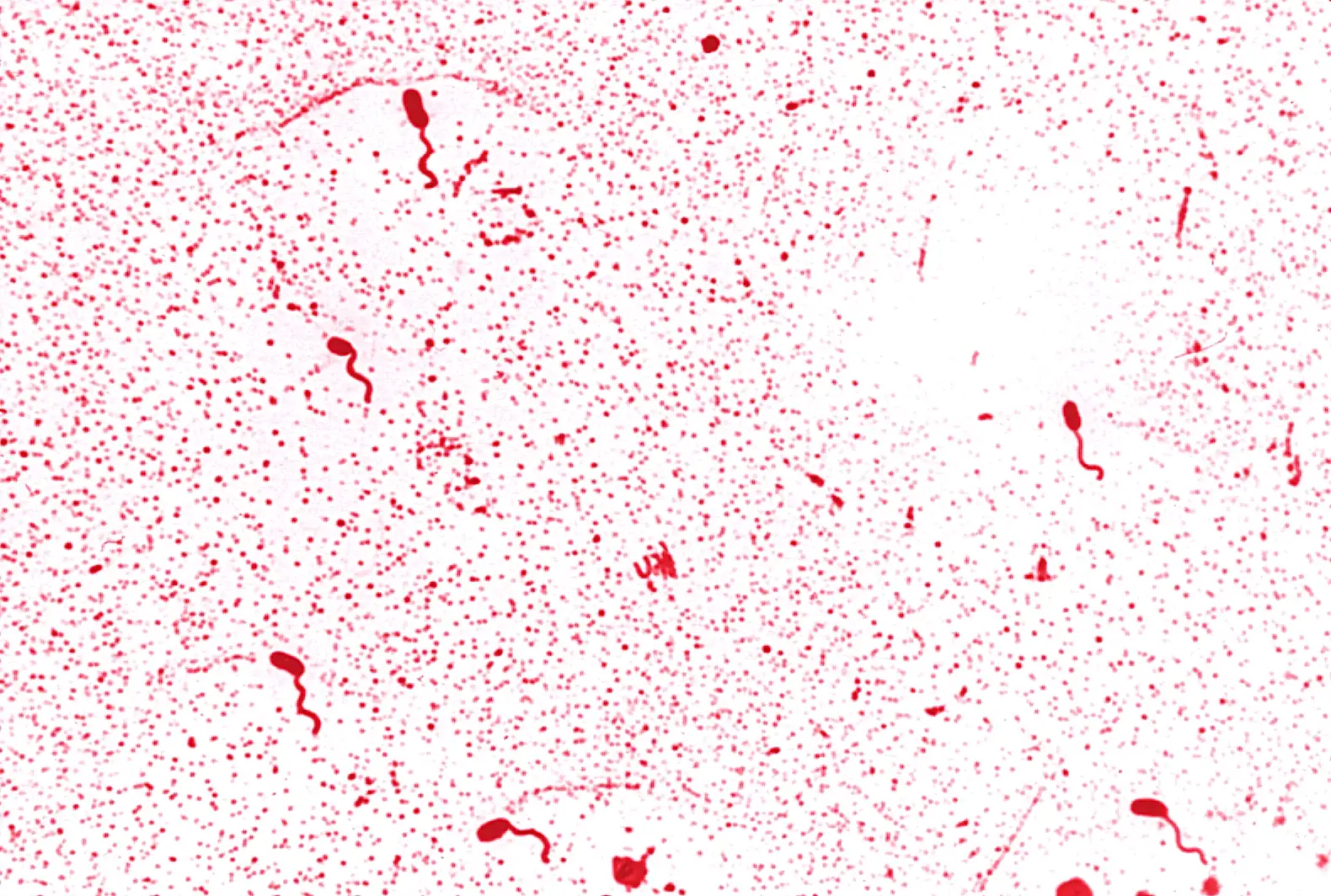
Florida is facing a health puzzle that most Americans thought was solved decades ago. Leprosy, a disease associated with medieval times and history books, is quietly returning to the state in numbers not seen in modern records. The trend is alarming enough that health officials are investigating what’s causing it and why central Florida is becoming the epicenter.
In 2025, Florida reported 36 confirmed cases of Hansen’s disease, the medical name for leprosy. This surpassed the previous state record of 29 cases set in 2015. By mid-July 2026, another 17 cases had already been reported across the state. To put this in perspective, the United States reported 174 cases in 2025 total, meaning Florida alone now accounts for a significant portion of the nation’s leprosy cases. Something is different, and officials don’t fully understand why.
Leprosy is caused by bacteria called Mycobacterium leprae and Mycobacterium lepromatosis. The disease attacks a person’s nerves, skin, eyes, and respiratory system. Early signs include enlarged nerves, flat or raised skin lesions, bumps under the skin, loss of eyebrows or eyelashes, and sometimes blindness. The truly frightening aspect is the timeline. After someone is exposed to the bacteria, it can take up to twenty years for symptoms to appear. Many infected people don’t realize they have the disease until severe damage has already occurred.
What makes this timeline so problematic is diagnosis. A person with symptoms might visit doctor after doctor without anyone suspecting leprosy. They might be treated for other conditions while the disease quietly progresses. By the time leprosy is identified, permanent nerve damage and disability may already be present. This diagnostic gap has become a major concern among Florida health providers, echoing challenges seen in other drug-resistant fungal outbreaks.
The geographic pattern is striking. Brevard County in central Florida has been particularly hard hit. From 2019 to 2022, Brevard County accounted for 40 of Florida’s 74 confirmed cases—more than half. The 2025 cases spread across thirteen counties including Charlotte, Duval, Highlands, Lake, Lee, Manatee, Miami-Dade, Okeechobee, Orange, Seminole, St. Johns, Sumter, and Volusia. But central Florida remains the focal point.
Scientists have identified a likely culprit: nine-banded armadillos. These animals carry the bacteria that causes leprosy and shed it through their skin and respiratory secretions. People who handle armadillos, eat their meat, or encounter them in their yards can potentially be exposed. The problem is that armadillos are common in Florida and becoming more common as their range expands northward. A casual encounter with an armadillo might seem harmless, but prolonged exposure or direct contact increases risk.
The good news is that leprosy is curable. A combination of antibiotics can eliminate the infection, though treatment typically lasts one to two years. The challenging part is that early treatment prevents permanent damage, while delayed diagnosis leads to irreversible nerve damage and deformity.
Of the 36 cases in 2025, twenty-six were believed to have been acquired within Florida rather than brought from abroad. This local transmission pattern is what concerns officials most. It suggests the disease is becoming established in Florida’s environment and animal population.
The CDC maintains low estimates of how easily leprosy spreads. Most people have natural immunity to the bacteria. You don’t contract it from casual contact or being in the same room with an infected person. It requires prolonged, close contact. Yet the rising case numbers suggest something about Florida’s unique environment—perhaps the armadillo population, the climate, or environmental factors—is creating conditions where the disease gains a foothold.
Health officials are focusing on awareness. They’re training doctors to recognize leprosy symptoms and encouraging people who handle armadillos to take precautions. The state’s disease tracking systems are being enhanced to catch cases earlier. Contact tracing is helping identify how people were exposed, building a picture of the disease’s spread.
For residents, the message is straightforward: avoid handling armadillos, wear gloves if you must make contact, and report any suspicious skin lesions to a doctor. Leprosy may be ancient history in most of the world, but in Florida, it’s becoming a modern public health issue that demands attention.