Sunita Somvanshi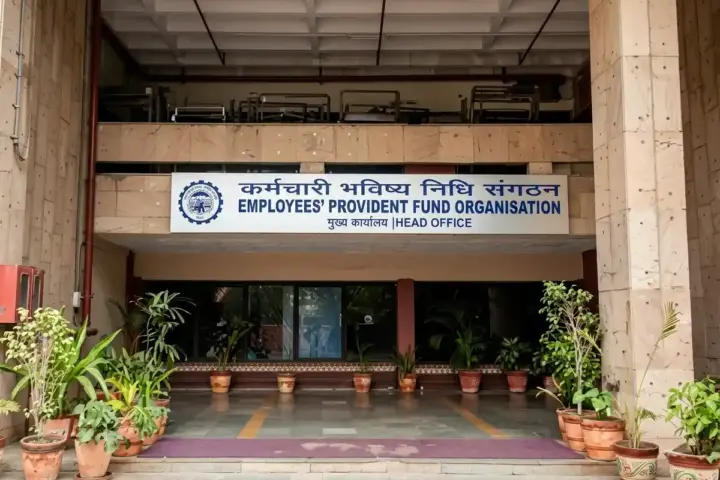
India’s pension system is entering a new era. The Employees’ Provident Fund Organization is launching Labour Ministry oversees the scheme.epfindia.gov.in/#~:text=EPFO%203.0″>EPFO 3.0, a modernized platform that transforms how hundreds of millions of Indians access their retirement savings.
The current system runs on regional servers that frequently go offline. Workers encounter a familiar frustration: the EPFO website is down again. EPFO 3.0 moves to a single national database, eliminating the regional bottlenecks that cause constant outages. Data migration was completed in July.
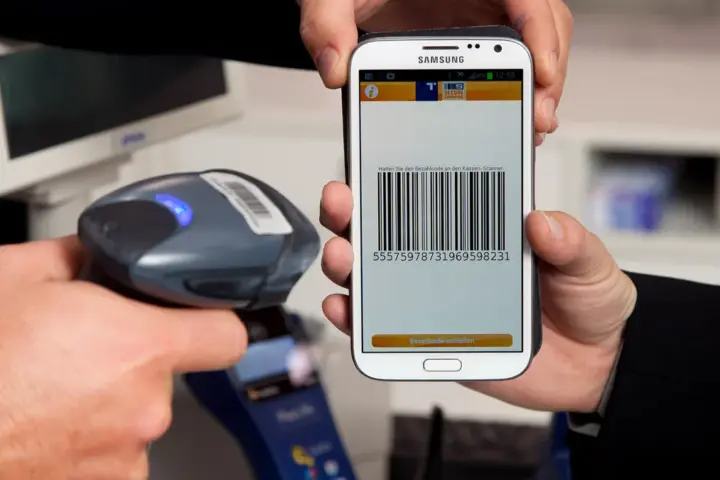
But the technology upgrade brings tangible new features that matter to everyday life. Workers will soon be able to withdraw from their pension account using ATM machines, just like withdrawing from a regular bank account. They will also be able to withdraw using UPI, the mobile payment system already used by hundreds of millions of Indians daily.
These additions connect pension savings to how people actually manage money. ATM access means withdrawals happen at convenience, not by visiting an office. UPI access means a person can initiate a withdrawal through the same app they use for paying bills or buying groceries.
The system also automates claim settlements. Currently, claims for medical emergencies, marriage expenses, or home purchase require officer approval and wait 15 to 20 days for transfer. EPFO 3.0 introduces automatic verification for qualifying claims, reducing wait time to 3 days. The auto-settlement limit has been increased from ₹1 lakh to ₹5 lakh. No officer approval needed for eligible claims. No lengthy bureaucratic delays.
The interest rate for deposits remains at 8.25 percent for the financial year 2026. This return remains competitive compared to savings bank accounts or many investment options available to average workers.
The modernization treats pension accounts like bank accounts—because that is what they should be. Money belongs to the worker. Access should be straightforward. Withdrawals should happen quickly. Technology should support this, not obstruct it.
The scale is enormous. Hundreds of crore—tens of millions—of Indian workers have EPFO accounts. Each one benefits from faster claim processing, improved website reliability, and new access methods. For a worker facing a genuine emergency like medical crisis or home purchase, 3-day settlement is life-changing compared to 15-20 days of bureaucratic waiting.
Members can verify their UAN through face authentication via the UMANG App. They can access their passbook, correct errors, and process online claims. Between 50 and 75 percent of withdrawals will be available through UPI or UPI-based ATM channels.
EPFO 3.0 represents the intersection of financial inclusion and digital infrastructure. It takes a social security system designed decades ago and adapts it to how people actually live today. Workers use UPI for daily transactions. ATM access is expected. A national database provides reliable access.
The rollout phase requires testing and gradual deployment. Not every feature launches simultaneously. But the direction is clear: pension systems serve workers, not the reverse. Technology should make access easier, not harder. The new system moves the EPFO closer to that standard.
For the hundreds of millions of Indian workers with pension accounts, EPFO 3.0 means better access, faster service, and technology that works reliably instead of failing regularly. That is not revolutionary. It is simply what modern financial systems should do.