 Govind Tekale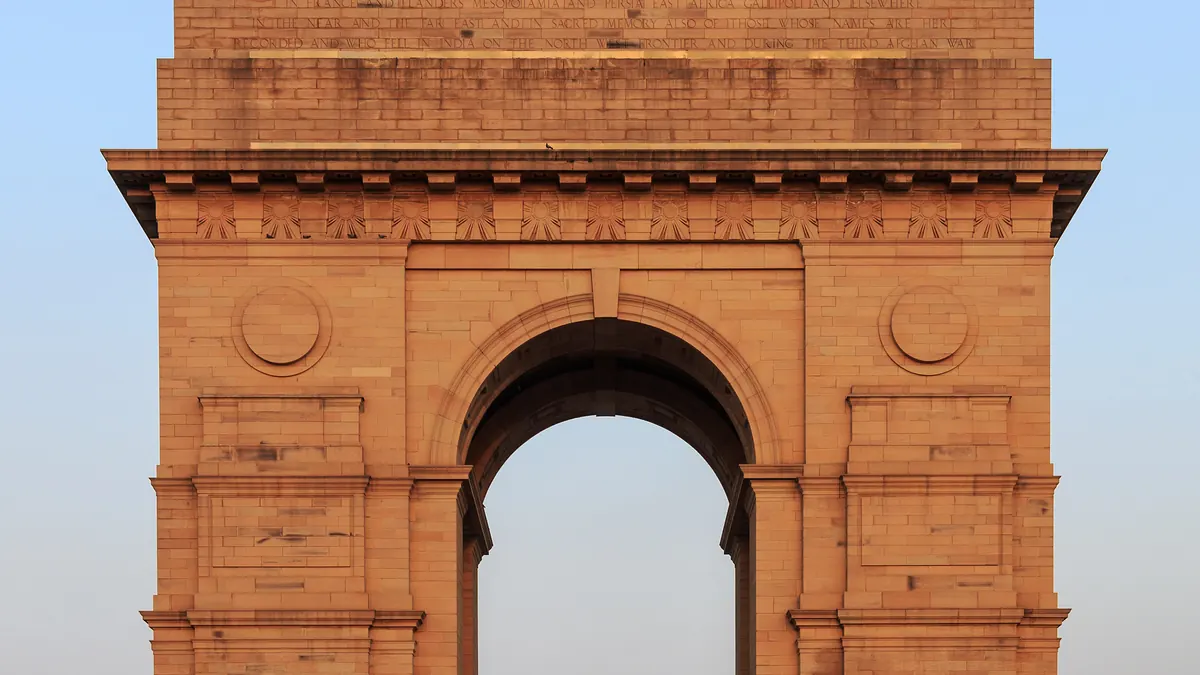
Delhi Protests Escalate: Why AAP Workers Are Demanding Election Chief's Resignation
Hook
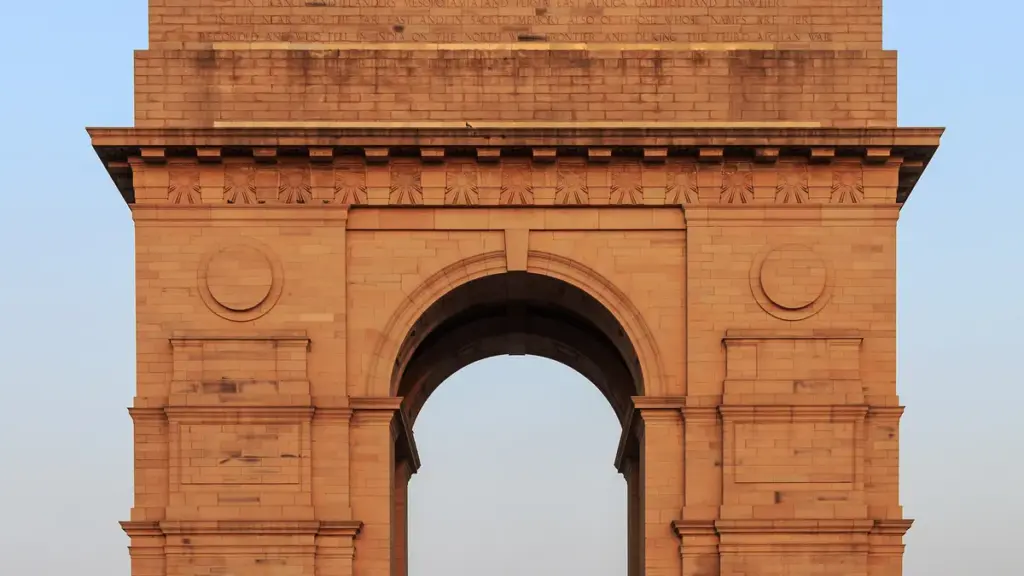
Protesters, including Aam Aadmi Party (AAP) leaders, were detained by Delhi Police on October 4 after attempting to march toward India Gate demanding the resignation of Election Commission Chief Gyanesh Kumar. The demonstration centered on opposition to the Commission's voter-roll revision process. The clash highlights deepening political friction weeks before the next election cycle and raises questions about protest management in New Delhi's security zones.
Core Facts Block
AAP workers and leaders, including Delhi unit chief Saurabh Bhardwaj and MLA Sanjeev Jha, were detained by Delhi Police on October 4 after police blocked a march to India Gate. The demonstration was organized by opposition parties opposing what they describe as irregularities in the voter-roll revision process under the Election Commission's Special Intensive Revision (SIR) program.
Reuters reported that thousands of protesters across Delhi and Mumbai participated in demonstrations demanding Chief Election Commissioner Gyanesh Kumar's resignation. Police imposed restrictions on gatherings in the Central Vista security zone under Section 163 of the Bharatiya Nagarik Suraksha Sanhita (BNSS), India's current criminal-procedure code that replaced the older Criminal Procedure Code in 2023.
Consequence Paragraph
Central Delhi commuters should anticipate possible traffic diversions and heightened security around India Gate and the Central Vista following the protest. Delhi Police confirmed that prohibitory orders under BNSS Section 163 remain in force in the high-security zone. Citizens navigating the area should plan alternate routes via the Delhi Metro. The detention signals intensifying pre-election pressure on the Election Commission over voter-roll management protocols.
Depth Block: The Voter-Roll Controversy
What Triggered the Protests
The Special Intensive Revision (SIR) is the Election Commission's periodic process to update voter rolls by removing deceased voters, correcting addresses, and preventing duplicate registrations. Opposition parties, particularly the AAP, argue the 2026 revision disproportionately removes legitimate voters—especially from opposition-leaning constituencies—under the guise of administrative cleanup.
The Election Commission maintains the revision process follows statutory protocols under the Representation of the People Act and is designed to ensure electoral roll accuracy. The agency released data showing thousands of duplicate and deceased entries removed across Delhi, which it framed as routine maintenance.
Reuters reports that opposition parties allege SIR processes unfairly disadvantage their constituencies, while the Election Commission and ruling party deny these claims.
Why the Legal Detention Happened
Delhi's Central Vista district (encompassing India Gate, Parliament, and government offices) remains under prohibitory orders under Section 163 of the BNSS. These restrictions bar large unauthorized gatherings regardless of political affiliation. The BNSS replaced the older Criminal Procedure Code beginning July 1, 2024, and Section 163 is the current operative provision for such orders.
AAP organizers did not obtain a police permit for the march. Under the current prohibitory orders, this factored into the detention.
What Happens Next
AAP leaders were detained for police processing. The detention process under Section 163 typically involves temporary administrative hold rather than criminal booking in many cases, though specific circumstances determine classification.
The Election Commission is unlikely to remove Chief Gyanesh Kumar absent parliamentary action, though opposition parties continue to demand his resignation. The controversy will likely remain a pressure point in pre-election politics.
Key Question
Why are protesters demanding Gyanesh Kumar's resignation?
Opposition parties allege that the Election Commission's voter-roll revision process disproportionately removes legitimate voters from opposition-leaning constituencies under the guise of administrative cleanup. The Election Commission denies these allegations and maintains that the Special Intensive Revision (SIR) follows statutory procedures and is designed to ensure electoral roll accuracy.
Closure
The October 4 detention represents police enforcement of existing security zone restrictions under BNSS Section 163, though opposition framing it as political suppression is likely to persist. Expect additional protests and formal opposition complaints to the Election Commission before elections occur. The controversy will remain a pressure point in pre-election politics, with no immediate resolution to the underlying voter-roll disputes anticipated.