NASA has cleared its Nancy Grace Roman Space Telescope for launch after teams completed a flight readiness review on Wednesday. The telescope is scheduled to lift off on August 30 at 7:26
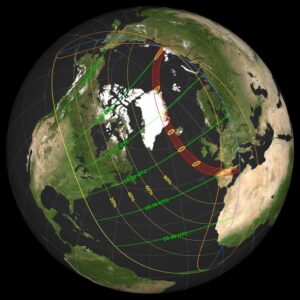
Asteroid Apophis passes within 31,000km of Earth on April 13, 2029—closer than geostationary satellites. Visible to naked eye from Europe, Africa, Asia. Multiple spacecraft
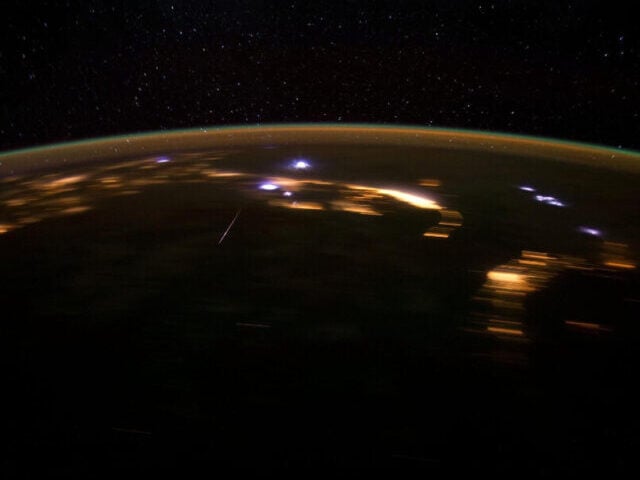
UK skywatchers have a treat in store tonight as the Lyrid meteor shower reaches its peak. This yearly event fills the night with brief streaks of light as Earth travels through cosmic
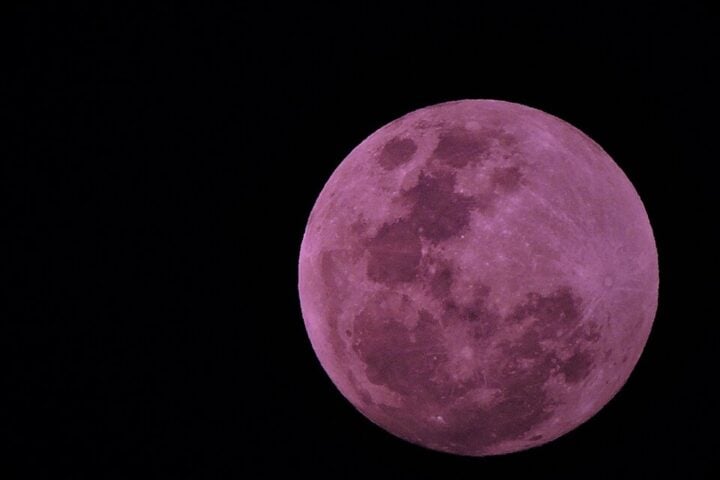
The night sky will soon feature one of the most anticipated celestial events of spring – the April Pink Moon. Set to reach its peak on Saturday, April 12, 2025, at 8:22
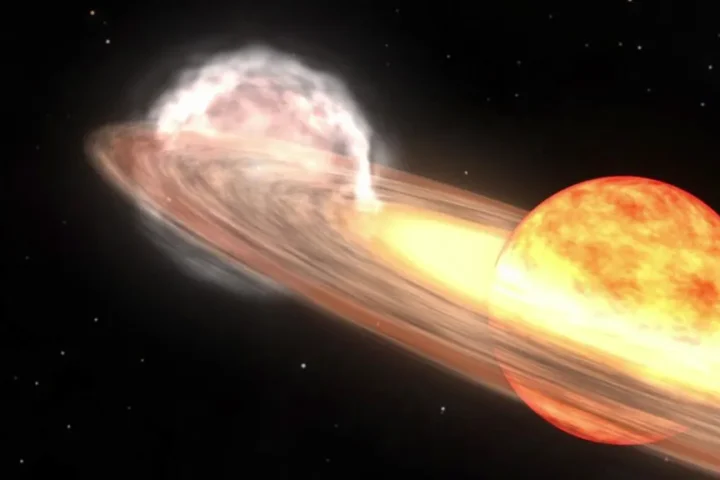
The cosmos prepares to unveil one of its most spectacular recurring phenomena as T Coronae Borealis—the famed “Blaze Star”—readies for its once-in-a-generation eruption. This recurrent nova, nestled within the Corona Borealis constellation,
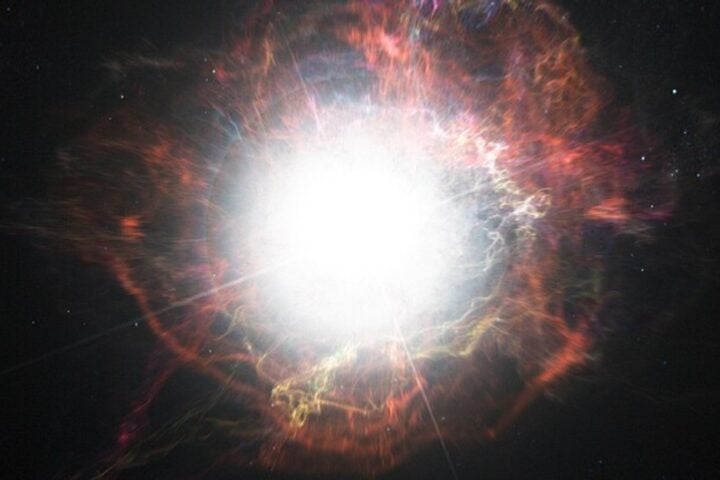
Scientists have uncovered compelling evidence of ancient stellar explosions that rained debris onto Earth and the Moon, with deep-sea sediments revealing traces of radioactive isotopes from both supernovae and kilonovae events. Star
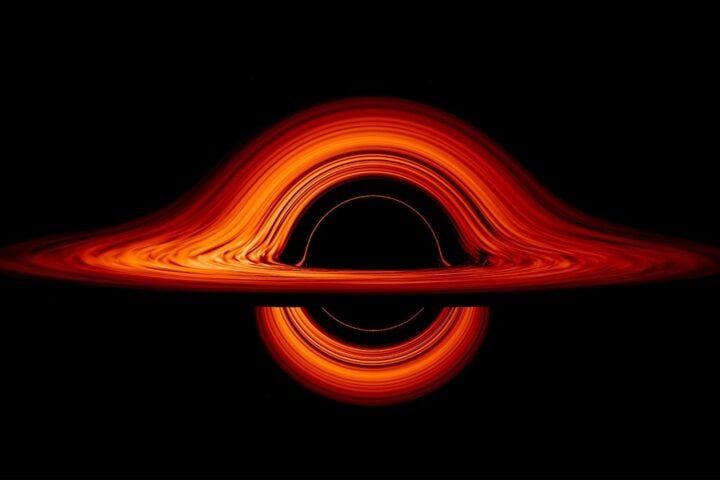
At the center of our galaxy lies a chaotic region where black holes are tearing apart stars at an alarming rate. New research published in Astronomy & Astrophysics reveals what scientists call
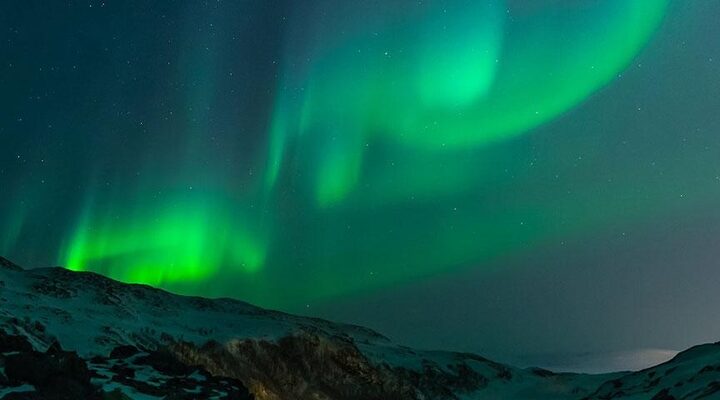
March 2025 has turned into an astronomical jackpot with a series of spectacular celestial events. From the Northern Lights dancing across the UK sky to Saturn’s rings pulling a disappearing act and
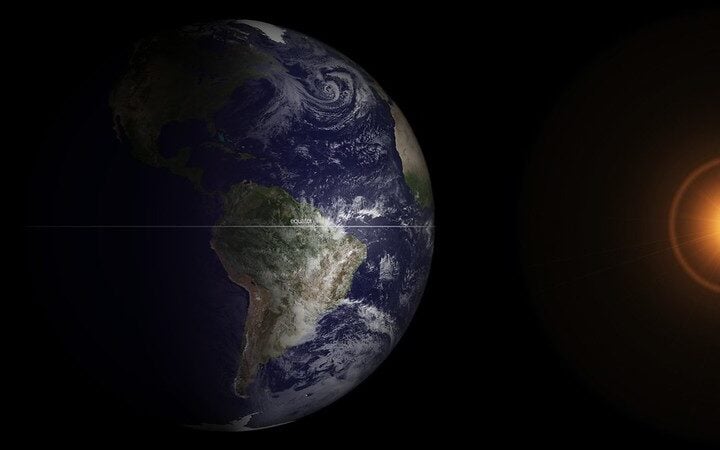
The vernal equinox marks the official start of spring in the Northern Hemisphere, bringing longer days and warmer weather. This year, it occurs on Thursday, March 20, 2025, at precisely 5:01 a.m.
After a century of searching, astronomers have finally confirmed the existence of four rocky planets orbiting Barnard’s Star, our cosmic next-door neighbor. Located just six light-years away, this discovery marks a significant
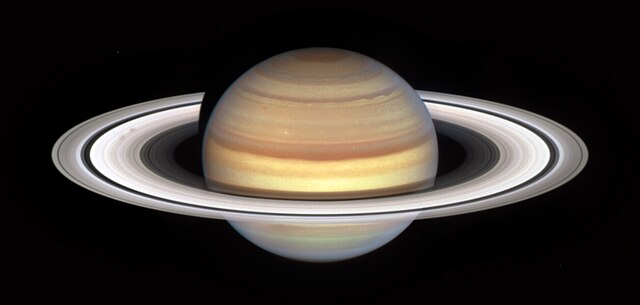
Saturn has officially secured its title as the “moon king” of our solar system with the discovery of 128 new moons, bringing its total to an impressive 274. This finding, confirmed by
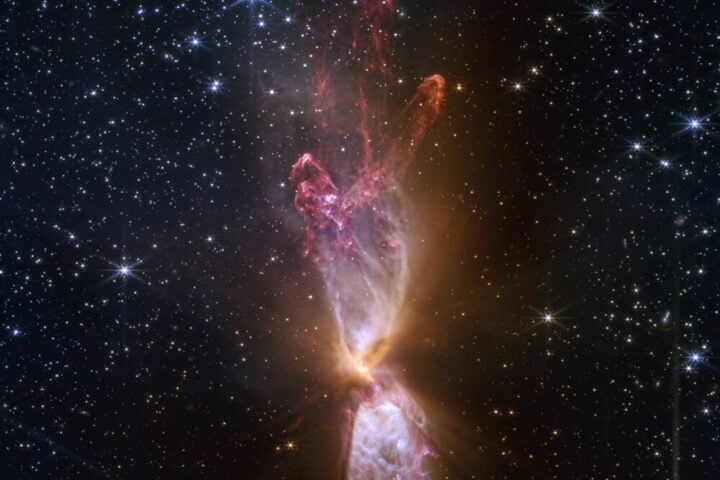
NASA’s James Webb Space Telescope (JWST) has captured remarkable high-resolution near-infrared images of Lynds 483, a star-forming region 650 light-years away in the Serpens constellation. The images show two actively forming stars


 Karmactive Staff
 Rahul Somvanshi
 Govind Tekale
 Tejal Somvanshi