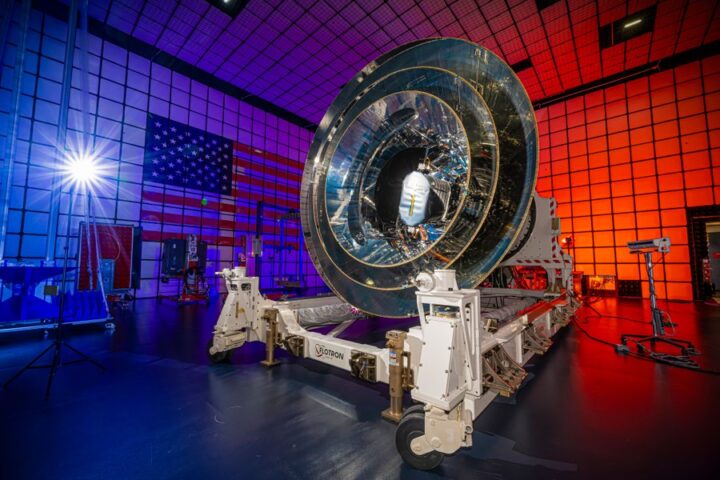
NASA has cleared its Nancy Grace Roman Space Telescope for launch after teams completed a flight readiness review on Wednesday. The telescope is scheduled to lift off on August 30 at 7:26
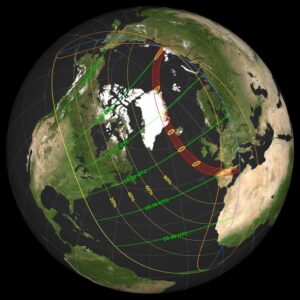
Asteroid Apophis passes within 31,000km of Earth on April 13, 2029—closer than geostationary satellites. Visible to naked eye from Europe, Africa, Asia. Multiple spacecraft
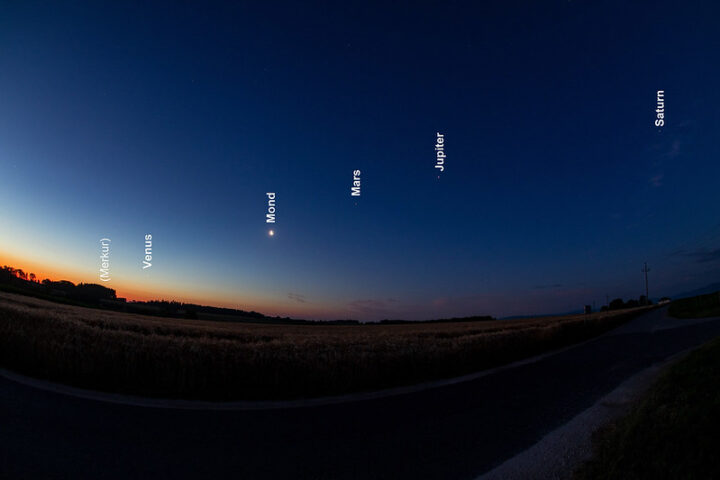
A rare celestial event graced our skies in 2025 when seven planets – Mercury, Venus, Mars, Jupiter, Saturn, Uranus, and Neptune – aligned in what astronomers call a “planetary parade.” This spectacular
Lunar Calendar Basics for 2025 The Islamic calendar follows the moon’s phases, with each month starting when the first crescent appears after a new moon. This lunar year runs about 354 days
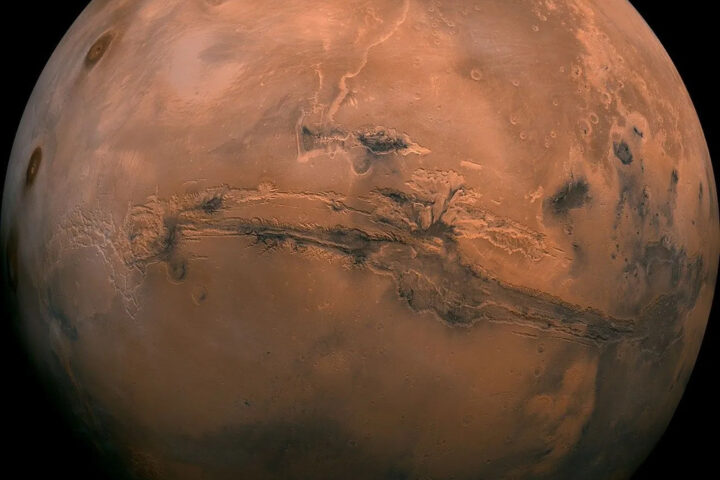
Recent research has upended scientists’ understanding of why Mars appears red, suggesting the planet had a wetter history than previously thought. A joint study by NASA and the European Space Agency (ESA)
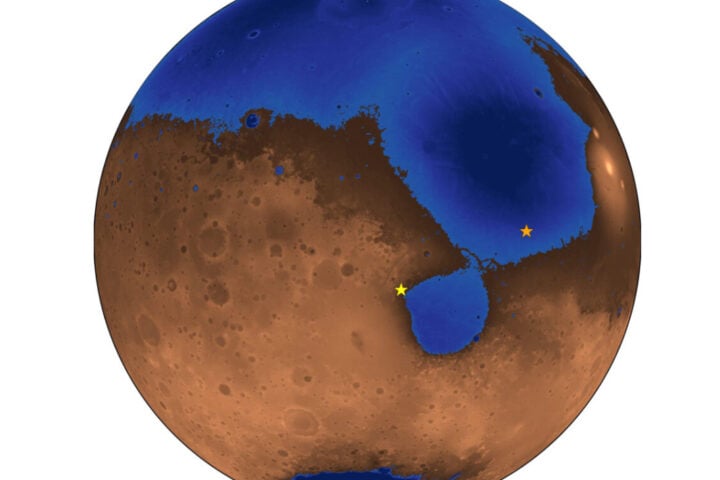
Recent findings from China’s Zhurong rover have revealed evidence of ancient beaches buried beneath the Martian surface, suggesting the Red Planet once had vast oceans billions of years ago. The rover, which
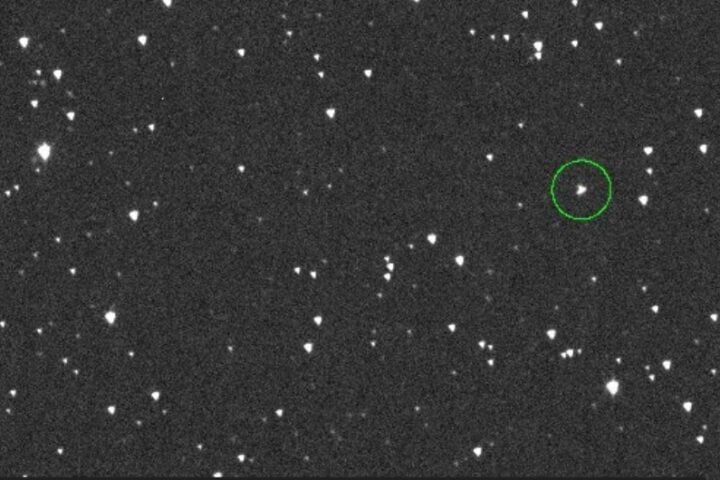
A basketball court-sized asteroid that briefly ranked as the most dangerous near-Earth object on record now appears far less likely to hit our planet in 2032, scientists report. Asteroid 2024 YR4, discovered
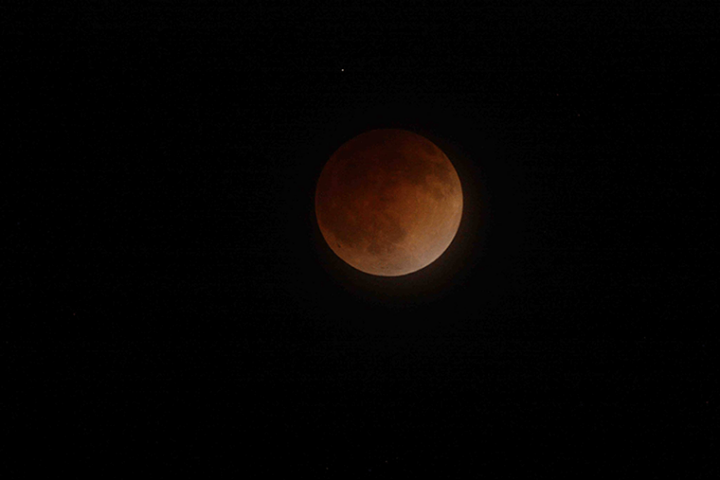
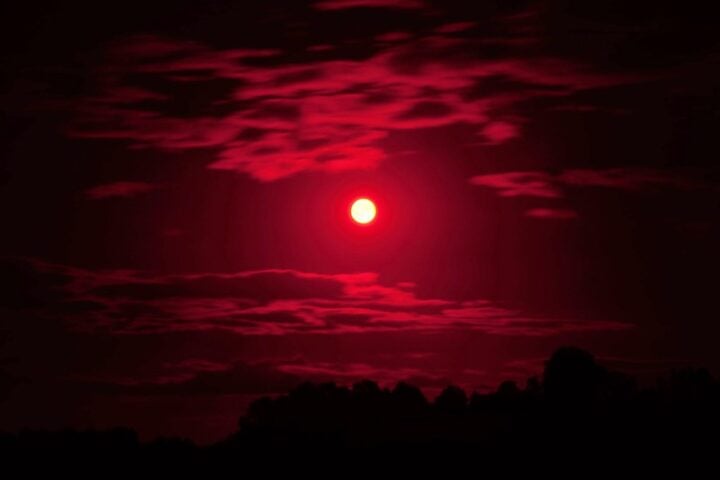
A dramatic red moon will light up night skies across North and South America this March, ending a two-year wait since the last total lunar eclipse. The moon will slowly darken and
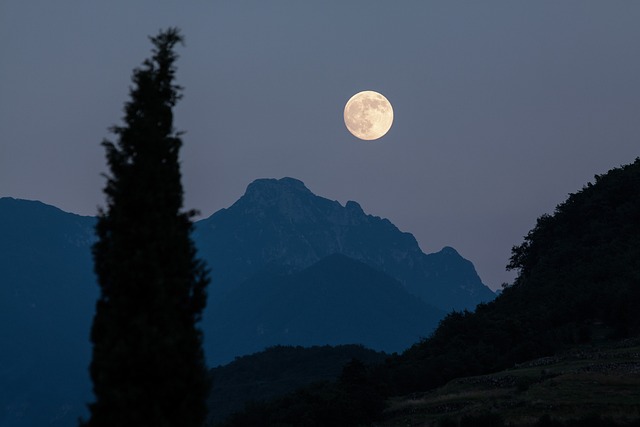
A bright full moon will grace our night sky this February, reaching its brightest point on February 12, 2025, at 8:53 AM Eastern time. Known as the Snow Moon, it arrives just
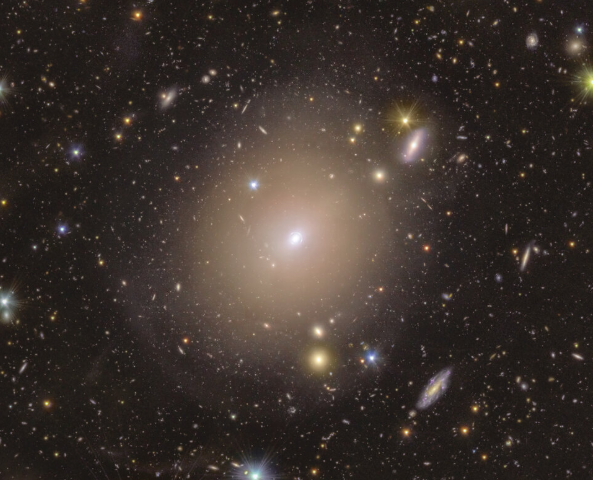
The European Space Agency’s (ESA) Euclid telescope has captured an extraordinary sight that even Albert Einstein thought impossible to observe: a perfect ring of light around a galaxy just 590 million light-years
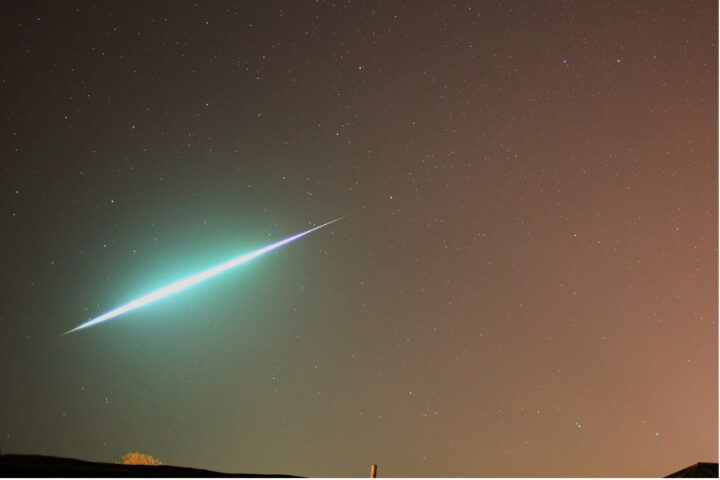
The Alpha Centaurids meteor shower, which peaked this past weekend on February 8-9, continues lighting up southern skies through February 20th, 2025. Unlike regular annual meteor showers, this event is special because
NASA’s newest space telescope, SPHEREx, is ready to give us a fresh look at the universe when it launches on February 27, 2025. The $488 million mission will map the entire sky


 Rahul Somvanshi
 Govind Tekale
 Karmactive Team